
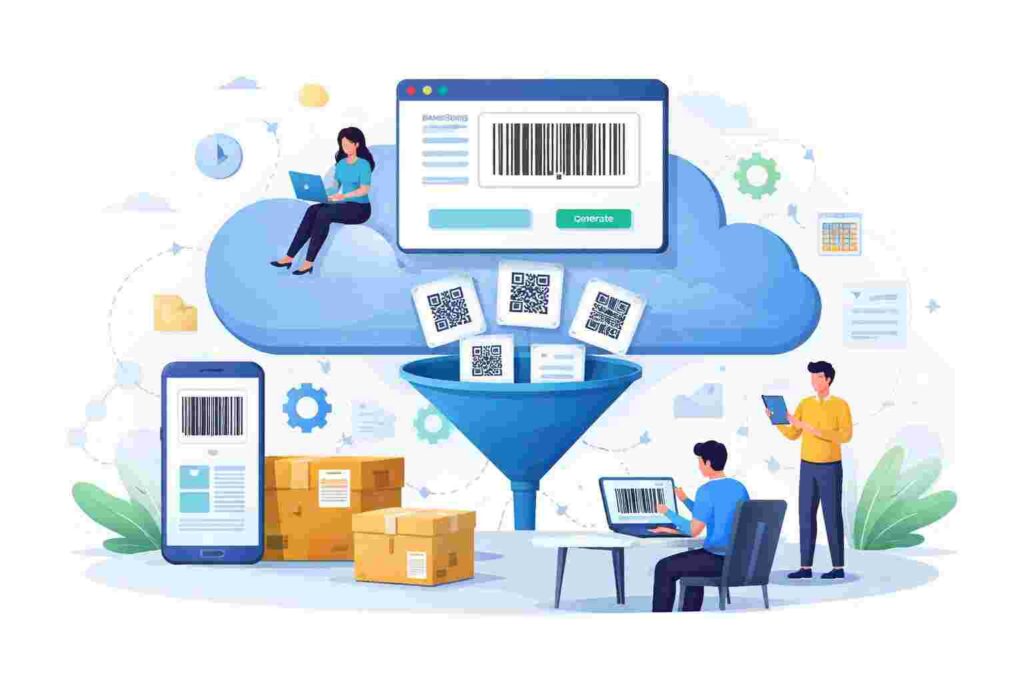
In today’s rapidly evolving business landscape, organizations are increasingly looking for barcode generator cloud solutions to streamline their operations. A cloud-based barcode generator offers many advantages that traditional on-premise solutions simply cannot match. This article examines the key benefits, technical mechanisms, and transformative impacts of using a cloud-based barcode generator, helping you understand why this technology is becoming essential for modern business.
Understanding Barcode Generator Cloud
To truly appreciate the benefits of a barcode generator cloud, it’s essential to understand its fundamentals.
Definition of Cloud-Based Services
Cloud-based services refer to applications and resources that are hosted on remote servers accessed via the internet. Rather than relying on local servers and infrastructure, businesses can utilize these services to enhance their operational capabilities. This model allows for better scalability, lower costs, and improved collaboration among teams.
Overview of Barcode Technology
Barcode technology has revolutionized inventory management and sales tracking. A barcode is a visual representation of data, typically consisting of parallel lines or dots that can be scanned to retrieve information. Various types of barcodes exist, including 1D barcodes (like UPC) and 2D barcodes (such as QR codes), each serving distinct purposes in inventory management and retail.
How Barcode Generators Work
Barcode generators are software applications that create barcode images based on specific data inputs. In a cloud environment, these generators take advantage of powerful processing capabilities and extensive libraries of barcode formats, making it easier for users to generate customized barcodes with just a few clicks. Utilizing APIs and integrations, businesses can easily connect these tools to their existing systems for streamlined data management.
The Technical Mechanisms Behind Cloud Barcode Generators
Delving deeper into the technological underpinnings of cloud barcode generators helps illuminate their operational effectiveness.
Cloud Infrastructure and Scalability
Cloud barcode generators are built on robust infrastructure that offers unparalleled scalability. Organizations can adjust their resource usage on demand. For instance, if a retail company suddenly faces a surge in demand during a holiday season, it can scale its cloud services quickly without investing heavily in physical hardware.
Data Security Protocols
Data security is paramount when managing sensitive information. Cloud providers implement advanced security measures such as encryption, multi-factor authentication, and regular security audits. A well-managed cloud-based barcode generator ensures that crucial data remains protected against cyber threats and breaches.
Integration with Existing Systems
Seamless integration is crucial for any new solution. Cloud barcode generators are designed to connect effortlessly with various enterprise resource planning (ERP) systems, inventory management software, and point-of-sale (POS) terminals, enabling organizations to achieve a unified approach to data management.
Transformative Business Impacts Across Industries
The adoption of barcode generator cloud solutions has transformative effects across a multitude of sectors, enhancing operational efficiency and productivity.
Retail and Inventory Management
- Real-time stock tracking
- Faster checkouts
- Improved customer satisfaction
- Reduced human error
In retail, the implementation of cloud barcode generators leads to better inventory accuracy, allowing businesses to stay updated on stock levels and preventing overstock or stockouts.
Manufacturing and Production Tracking
- Streamlined production processes
- Enhanced product traceability
- Increased operational efficiency
- Real-time monitoring of production lines
Manufacturers leverage cloud-based barcode technology to monitor production processes efficiently, ensuring uninterrupted workflows and superior product traceability.
Logistics and Supply Chain Efficiency
- Improved shipment tracking
- Reduced shipping errors
- Enhanced collaboration among partners
- Real-time data sharing
Logistics companies utilize cloud barcode generators to streamline tracking and storage processes, resulting in enhanced delivery accuracy and improved coordination with suppliers.
Strategic Advantages of Using Cloud-Based Barcode Generators
In addition to operational efficiencies, there are numerous strategic benefits to adopting a cloud-based approach.
Cost Savings and Reduced Overheads
By using cloud-based barcode generators, businesses can significantly lower overhead costs associated with maintaining on-premise servers and software licenses. Cloud solutions often operate on a subscription basis, allowing organizations to pay only for the resources they use.
Enhanced Collaboration and Accessibility
With a cloud-based system, teams can access barcode solutions from anywhere with an internet connection, fostering better collaboration. This is especially beneficial for businesses with remote or distributed teams, enabling real-time updates and shared access to critical data.
Flexibility and Customization Options
Cloud barcode generators often come with customizable features tailored to specific industry requirements. Organizations can select the barcode formats, sizes, and appearance they need, accommodating the unique demands of their business processes.
Limitations and Risk Considerations
While cloud-based solutions offer numerous advantages, it is vital to be aware of potential risks and limitations.
Dependence on Internet Connectivity
One of the most significant drawbacks of cloud solutions is the reliance on stable internet connectivity. An unreliable connection can hinder access to essential tools and data, resulting in operational disruptions.
Data Privacy Concerns
Storing sensitive information in the cloud raises privacy concerns among organizations. Businesses must ensure that their cloud provider complies with relevant data protection regulations and employs rigorous security measures to safeguard data.
Vendor Lock-in Risks
Transitioning to a cloud-based system involves choosing a specific provider. In some cases, organizations may face challenges migrating their data or processes to a different vendor, leading to concerns about vendor lock-in. Careful consideration of exit strategies and contracts is essential.
Comparative Evaluation of Cloud vs. On-Premise Barcode Generators
When deciding between cloud and on-premise barcode generators, organizations should evaluate several factors to make an informed decision.
Cost Analysis
Cloud solutions typically involve lower initial investment costs but may incur ongoing operational costs. In contrast, on-premise systems require significant upfront costs for hardware and software but may result in long-term savings.
Performance Metrics
Cloud systems often benefit from regular updates and improved performance due to the infrastructure maintained by service providers, whereas on-premise systems may become outdated over time without ongoing investment.
Implementation Timeframes
Cloud-based systems usually offer a faster implementation process, allowing businesses to deploy their solutions promptly. On-premise systems can take significantly longer due to hardware installation and configuration.
| Criteria | Cloud Barcode Generators | On-Premise Barcode Generators |
|---|---|---|
| Initial Cost | Lower | Higher |
| Ongoing Costs | Subscription-based | Maintenance Required |
| Implementation Time | Quick | Lengthy |
| Scalability | High | Limited |
| Access | Remote | Local Only |
Statistics and Market Trends in Cloud Barcode Technology
Understanding market trends and growth statistics can provide valuable insights into the increasing relevance of cloud barcode technologies.
Growth Rate of Cloud Services in Inventory Management
The cloud services market in inventory management is projected to grow at a compound annual growth rate (CAGR) of 23.2% by 2025, indicating the rapid adoption of cloud-based solutions across various sectors.
User Adoption Statistics
A recent survey revealed that over 50% of businesses currently use or plan to implement cloud-based solutions for managing their barcodes and inventory, highlighting the growing interest in this technology.
Projected Industry Forecasts
According to a report by MarketsandMarkets, the global cloud barcode software market is expected to be valued at USD 1.2 billion by 2024, reflecting the increasing reliance on such technology for operational efficiency.
Real-World Case Studies Demonstrating Success
The implementation of cloud barcode solutions has produced tangible results for various businesses.
Case Study: Retail Chain Implementation
A national retail chain sought to improve inventory accuracy and streamline its operations. By adopting a cloud barcode generator, they experienced a 30% reduction in stock discrepancies and a 25% increase in employee productivity. Employees could quickly access inventory data from multiple locations, leading to faster decision-making.
Case Study: Manufacturing Efficiency Gains
A mid-sized manufacturer faced challenges in tracking production line items and material usage. The implementation of a cloud barcode system resulted in a 40% reduction in production downtimes and a 20% increase in output. Real-time data tracking allowed for immediate interventions when issues arose.
Case Study: Logistics Optimization Results
A logistics company struggled with shipment tracking resulting in delays and missed deadlines. By moving to a cloud-based barcode generator, they achieved a 50% improvement in delivery times and reduced shipping errors by 35%. The cloud solution facilitated real-time tracking and improved communication with stakeholders.
Future Outlook for Barcode Generator Cloud Solutions
The future of cloud-based barcode solutions is promising, characterized by ongoing innovations and trends.
Innovations in Cloud Technology
Emerging technologies such as artificial intelligence (AI) and machine learning are expected to enhance cloud barcode solutions, providing smarter inventory insights, predictive analytics, and improved decision-making capabilities.
Regulatory Changes Impacting the Industry
As data privacy regulations evolve, businesses will need to remain aware of compliance requirements when utilizing cloud-based systems. The industry is anticipated to see increased scrutiny around data protection in the coming years.
Future Integration Possibilities
The ability to integrate cloud barcode generators with emerging technologies such as the Internet of Things (IoT) will likely redefine how businesses manage and track assets. Future solutions may include automated inventory management where barcodes scan and report data independently.
Frequently Asked Questions about Barcode Generators in the Cloud
What is the cost of using a cloud barcode generator?
The cost of a cloud barcode generator typically varies based on subscription plans, volume of usage, and additional features. Many providers offer tiered pricing models, allowing businesses to select a plan that aligns with their budget. Expect to see costs ranging from $10 to several hundred dollars a month, depending on the features you require.
It’s crucial to evaluate whether the potential cost savings from operational efficiencies will outweigh the initial expenses. Many users find that the return on investment (ROI) is substantial, especially when transitioning from traditional systems.
How secure is my data in the cloud?
Data security in the cloud depends largely on the cloud provider’s security protocols and practices. Most reputable providers employ rigorous security measures, including encryption, firewalls, and comprehensive data protection policies. Be sure to review a provider’s security certifications and adherence to industry standards.
Ultimately, while no system is entirely without risk, using a well-established cloud provider significantly reduces the chances of data breaches, allowing you to manage your barcodes with confidence in their security.
Can I customize my barcode designs?
Yes, most cloud barcode generators offer a variety of customization options. You can typically design barcodes to suit your unique requirements, including size, shape, color, and additional information displayed alongside the barcode. This flexibility ensures that your barcodes align with your branding and operational needs.
Customization enables businesses to implement barcodes that fit seamlessly into their products and processes, improving usability for customers and employees alike.
How does a cloud generator integrate with my existing systems?
Cloud barcode generators are designed with integration capabilities in mind. Many solutions offer APIs (Application Programming Interfaces) that facilitate seamless connections with existing software systems such as inventory management, ERP, and POS systems. This allows for real-time data synchronization and comprehensive insights.
When choosing a provider, ensure they support integration options that align with your current technology stack to maximize efficiency and minimize disruption during implementation.
What are the common types of barcodes supported?
Cloud barcode generators typically support various types of barcodes, including standard 1D barcodes like UPC, EAN, and Code 39, as well as 2D barcodes like QR codes and Data Matrix. Understanding which types of barcodes are relevant to your operations is essential.
This diversity in support ensures that businesses can meet industry standards and customer preferences regardless of their operational focus.
How to choose the right provider?
Selecting the right cloud barcode generator provider involves several considerations, including pricing, features, customer support, and user reviews. Taking the time to conduct thorough research will pay off in the long run.
Ask for demos, get references, and evaluate how well the solution integrates with your existing systems. Making an informed choice can set your business up for success with cloud barcode technology.
Conclusion
Cloud-based barcode generators offer numerous advantages that can significantly enhance business operations. From improved efficiency and cost savings to enhanced data security and flexibility, the move to a cloud solution is compelling. As businesses increasingly seek to optimize their barcode management, cloud solutions stand out as a clear choice for organizations aiming to maintain a competitive edge in their industries.