
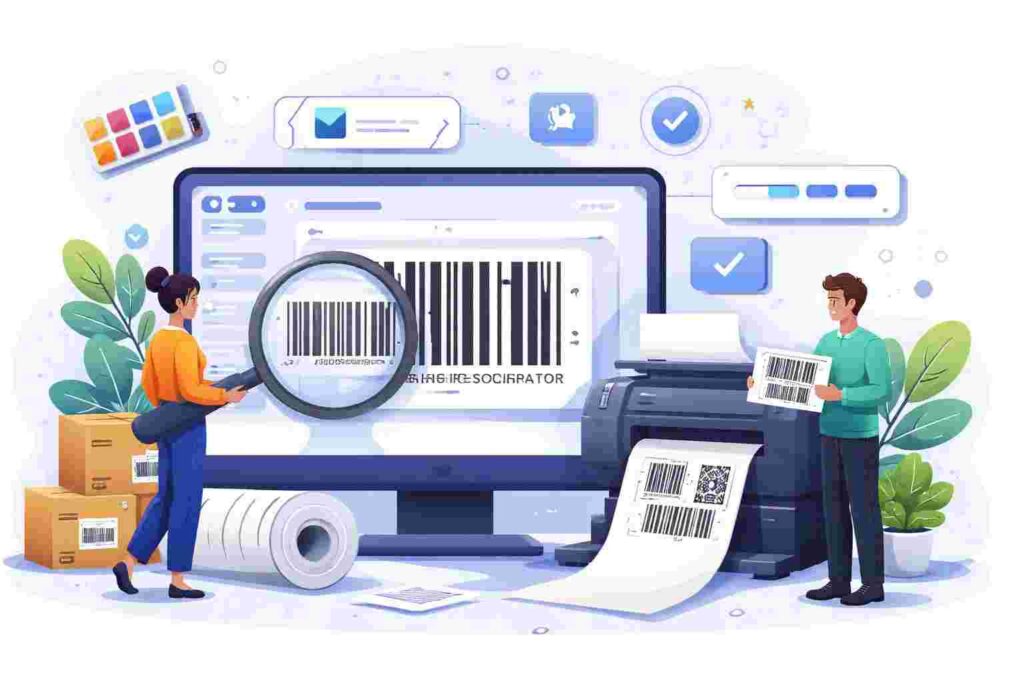
In today’s fast-paced business world, the efficiency and accuracy of operations rely heavily on technology. One crucial technology that plays a pivotal role in streamlining operations across various sectors is the barcode generator high resolution. High-resolution barcodes are not merely a luxury; they have become a necessity in industries ranging from retail to healthcare. This article will delve into the importance of these high-resolution barcodes, explore their technical aspects, and examine their strategic advantages while also addressing limitations and providing insights into future trends.
Understanding High-Resolution Barcodes
Before delving into the technicalities of generating high-resolution barcodes, it is essential to understand what they are and their significance in bolstering business operations.
Definition of High-Resolution Barcodes
High-resolution barcodes refer to barcodes that are created with a significantly higher number of pixels than standard barcodes. These barcodes yield a clearer and crisper image, which is crucial for machine readability. Typically, a high-resolution barcode can contain detailed information, making it more beneficial for complex processes such as inventory management or logistics tracking.
Importance of Resolution in Barcode Scanning
The resolution of a barcode directly affects its scannability. Higher resolution allows scanners to read barcodes from greater distances and angles, reducing scanning errors that can arise from low-quality prints. Additionally, high-resolution barcodes can maintain integrity over longer periods, ensuring that vital information is not lost due to wear and tear.
Common Formats and Standards
- UPC (Universal Product Code)
- QR Code (Quick Response Code)
- EAN (European Article Number)
- Code 128
- PDF417
Understanding these formats is essential, as each serves specific purposes and has its application in different industries. For example, QR codes are increasingly popular due to their capacity for encoding large amounts of data compared to traditional barcodes.
The Technical Aspects of Barcode Generation
Knowing the technology behind barcode generation allows businesses to leverage the advantages of high-resolution barcodes effectively. This section will break down the vital components involved in generating barcodes.
Image Resolution and Quality Settings
To generate a barcode with high resolution, attention must be paid to image quality settings during the barcode creation process. Factors such as DPI (dots per inch) should correspond to the printer specifications. A common recommendation is a minimum of 300 DPI for high-quality prints, ensuring that the barcode remains readable when printed.
Barcode Dimensions and Scaling Factors
The dimensions of a barcode significantly affect its readability. Barcodes that are too small may be unreadable, while those excessively large can fail to fit on packaging. Choosing the right scaling factors will allow businesses to optimize their designs based on usage context, ensuring that they achieve both visibility and functionality.
Common Software and Tools for Generation
- Adobe Illustrator
- Barcode Studio
- Zint Barcode Generator
- Online Barcode Generator
- FileMaker
These software tools provide users with a range of functionalities for customizing barcodes, including size adjustments, format selections, and quality settings. The choice of tool can significantly impact the created barcode’s overall quality and effectiveness.
Industry Applications and Impact of High-Resolution Barcodes
The implementation of high-resolution barcodes is widespread across numerous sectors. Each industry leverages these barcodes uniquely to enhance operations and customer experiences.
Retail Industry Enhancements
In retail, high-resolution barcodes streamline checkout processes, manage inventory, and track shipments effectively. For example, using QR codes can drive customer engagement by linking to promotional material easily scanned at checkout, while UPC codes facilitate efficient inventory tracking.
Logistics and Supply Chain Improvements
Logistics companies utilize high-resolution barcodes to enhance visibility throughout the supply chain, minimizing errors associated with manual data entry. Accurate tracking reduces product misplacement and ensures timely deliveries, which improves customer satisfaction and loyalty.
Healthcare Applications
In healthcare, barcodes are crucial in tracking pharmaceutical products and patient records. High-resolution barcodes can help in accurately identifying medications, ensuring compliance with regulations, and significantly reducing medical errors that could arise due to mislabeling.
Strategic Advantages of High-Resolution Barcodes
Investing in high-resolution barcode technology not only enhances operations but also provides numerous strategic advantages for businesses. Understanding these benefits is vital for any company looking to stay ahead of its competitors.
Enhanced Scanning Accuracy
High-resolution barcodes increase scanning accuracy, allowing devices to read barcodes correctly the first time. This accuracy translates to fewer returns and re-scans, saving businesses valuable time and reducing operational costs.
Improved Customer Experience
When customers encounter issues at checkout or delays in product identification, their overall shopping experience is significantly affected. By implementing high-resolution barcodes, businesses ensure faster and smoother transactions, enhancing customer satisfaction and loyalty.
Cost Efficiency in Operations
Although there may be initial costs associated with upgrading to high-resolution barcode systems and printers, the associated savings in terms of reduced errors and operational efficiencies reflect positively on the bottom line. High-resolution barcodes may initially appear expensive but can generate significant returns on investment through improved accuracy and speed.
Limitations and Risk Considerations of Barcode Generation
Despite their advantages, high-resolution barcodes come with certain limitations and risks that businesses must consider before implementation.
Printing Issues and Quality Control
One notable challenge with high-resolution barcodes is the necessity for high-quality printing equipment. Low-quality printers can produce barcodes that appear high resolution but are unreadable. This risk necessitates regular quality control checks post-printing to ensure reliability.
Compatibility with Existing Systems
Some companies may find challenges in compatibility with existing systems when transitioning to high-resolution barcodes. Ensuring that all equipment can read the new barcode formats will require careful planning and additional investment in technology in some cases.
Costs versus Benefits Analysis
While high-resolution barcodes offer many benefits, businesses need to conduct a thorough cost-benefit analysis. This will help determine whether the investment aligns with their operational needs and long-term goals.
Comparing Barcode Generation Tools
Choosing the right tools for generating high-resolution barcodes is crucial for achieving quality outputs. Various options in the market cater to businesses with different needs and budgets.
Feature Comparison Table
| Tool Name | Features | Cost | User Experience Rating |
|---|---|---|---|
| Adobe Illustrator | Professional design capabilities | $20.99 per month | 4.5/5 |
| Barcode Studio | High-resolution generation | $49.95 one-time | 4.2/5 |
| Zint Barcode Generator | Free and open-source | Free | 4.0/5 |
| Online Barcode Generator | Quick online access | Varies | 4.4/5 |
| FileMaker | Database integration | $15 per month | 4.6/5 |
This table highlights key features, costs, and user experience ratings for various barcode generation tools. Each tool offers different strengths catering to specific requirements, from free solutions to more advanced software.
Stats and Market Trends in Barcode Usage
As businesses become more reliant on technology, understanding the trends associated with high-resolution barcodes is essential. Tracking these trends equips companies with insight into future demands and adaptations.
Growth Rate of Barcode Technology Usage
The global barcode printer market was valued at $2.56 billion in 2022 and is anticipated to reach approximately $4.02 billion by 2030, reflecting a CAGR of 5.7% from 2023 to 2030. This growth underscores the increasing adoption of barcode solutions across industries.
Market Size and Projections
Additionally, it is estimated that the market for barcode software will experience growth, reaching approximately $470 million by 2024. This growth can be attributed to the expanding need for automation in business processes, increasing the reliance on barcodes for secure and reliable data transmission.
Industry-specific Adoption Rates
- Healthcare: 85%
- Retail: 90%
- Logistics: 75%
- Manufacturing: 70%
- Food and Beverage: 65%
These statistics illustrate how various sectors are rapidly adopting barcode solutions, highlighting the technology’s relevance for business operations today and the positive trajectory of its growth.
Case Studies: Success Stories with High-Resolution Barcodes
Exploring case studies offers insights into the tangible benefits that businesses have gained from adopting high-resolution barcode technology. These real-world examples showcase measurable outcomes and improvements.
Before and After Analysis in Retail
A study conducted at a leading retail chain revealed that the implementation of high-resolution barcodes reduced checkout times by 20%. Before the switch, average checkout times exceeded five minutes; post-implementation, they dropped to four minutes. The increase in customer satisfaction ratings was reflected in a 15% increase in store loyalty.
Logistics Efficiency Improvement Metrics
In a logistics company, the transition to high-resolution barcodes resulted in a 30% reduction in shipping inaccuracies, minimizing costly returns and delays. An analysis showed that misplaced packages decreased from 5% to 1.5%, significantly enhancing customer satisfaction ratings by 25% within six months.
Healthcare Case Study Outcomes
In a healthcare setting, implementing high-resolution barcodes for medication tracking led to an astonishing 50% reduction in medication errors. The hospital reported a decrease in adverse events relating to misadministration of medications, along with improved compliance with safety protocols, ultimately leading to better patient outcomes.
Future Trends in Barcode Technology
As technology advances, so too does the functionality of barcode systems. Certain trends are anticipated to shape the future landscape of barcode technology in the upcoming years.
AI and Machine Learning in Barcode Generation
The integration of AI and machine learning offers promising prospects for enhancing barcode generation. The technology could lead to smarter systems capable of dynamically adjusting barcode formats and resolutions based on varying conditions, ultimately improving efficiency and accuracy.
Anticipated Changes in Standards and Formats
With growing technological advancements, there may be substantial updates in barcode standards, leading to the potential introduction of new formats capable of storing even greater amounts of data while further improving readabilities, such as increased three-dimensional barcodes.
Integration with IoT Devices
As the Internet of Things (IoT) becomes more prevalent, barcodes may be integrated into devices for automatic recognition and data collection. This integration can lead to even higher efficiencies in inventory management and tracking across various industries.
Frequently Asked Questions About High-Resolution Barcodes
What is the best resolution for barcodes?
The optimal resolution for barcodes typically ranges from 300 DPI to 600 DPI. Higher resolutions provide crisper images essential for scanning at greater distances. Generally, a resolution of 300 DPI is acceptable for most uses; however, industries that demand precision, like healthcare, may prefer 600 DPI to ensure maximum readability and scan accuracy.
How do I ensure quality when printing barcodes?
To ensure high quality during the printing of barcodes, it is essential to use calibrated printers that maintain the necessary DPI settings. Additionally, conducting regular maintenance checks, using high-quality barcode labels, and performing test scans can ensure that printed barcodes remain readable and valid over time. Establishing strict quality control processes will also help mitigate printing issues early on.
Can high-resolution barcodes be scanned from a screen?
Yes, high-resolution barcodes can be scanned from screens, providing that the resolution of the display is sufficient. However, the barcode’s contrast and clarity are critical factors; ensuring the barcode is displayed clearly against its background and at an appropriate size helps enhance readability. It is also worth noting that not all scanners perform equally well when reading from screens, hence testing with various devices is advisable.
What industries benefit the most from high-resolution barcodes?
Industries such as healthcare, retail, logistics, and manufacturing experience the most significant benefits from high-resolution barcodes. Healthcare organizations leverage them to improve patient safety and medication tracking. Retail businesses utilize high-resolution barcodes for efficient checkout processes, while logistics companies enhance tracking accuracy. Manufacturing also benefits from improved inventory management systems, leading to higher overall efficiency.
Are there specific regulations for barcode quality?
Yes, several standards and regulations guide barcode quality within industries. For instance, the GS1 standard governs the format and structure of barcodes for accurate global identification. Compliance with industry-specific regulations ensures companies maintain quality levels, particularly in sectors like healthcare and food safety, where accurate information is paramount to avoid risks and liabilities.
How to troubleshoot common barcode scanning issues?
Common issues with barcode scanning may include poor print quality, incorrect alignment, or dirt obstructing the scanner’s view. To troubleshoot, ensure that the printer settings are optimized for high resolution, confirm that the barcode is properly aligned when scanned, and keep the scanning device clean. Regular maintenance of the scanning devices and verifying the barcode format are also vital steps in troubleshooting scanning problems.
Conclusion: The Importance of High-Resolution Barcodes
In conclusion, high-resolution barcodes are integral to enhancing operational efficiency, accuracy, and customer satisfaction across various sectors. The need for precision and quality in today’s business landscape makes implementing a barcode generator high resolution more critical than ever. As technology continues to evolve, embracing high-resolution barcode solutions will position businesses advantageously in their respective markets. It is essential to take proactive steps in adopting and integrating this technology to reap the numerous benefits it has to offer.