
Introduction
In the fast-paced world of business, efficient operations hinge on reliable information flow. Barcode generator labeling plays a crucial role in ensuring accuracy and speed in inventory management, sales transactions, and data collection. Creating effective labels is not simply a technical task; it is an essential element that can significantly impact your overall business performance. This article examines various expert tips for effective barcode labeling and how these strategies can elevate productivity and streamline operational processes.
Understanding Barcode Generator Labeling
To appreciate the power of barcode labeling, it is important to understand its fundamental principles and importance in the business landscape.
What is Barcode Generator Labeling?
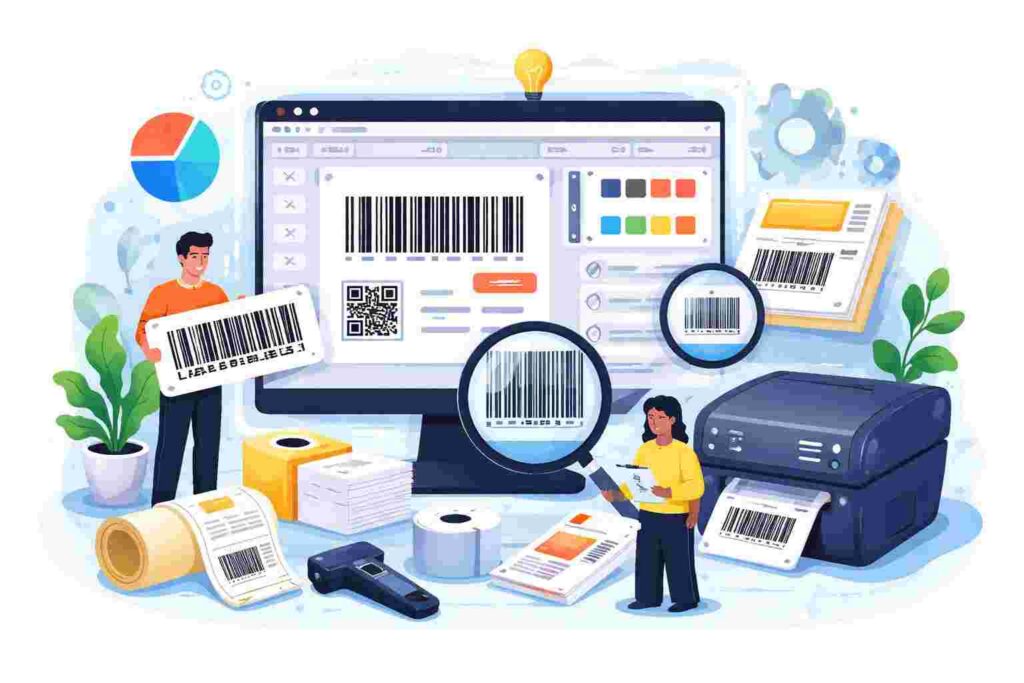
Barcode generator labeling refers to the process of creating visual representations of data that can be scanned for easy information retrieval. Barcodes encode specific data about products or assets, which can be quickly read by barcode scanners or mobile devices. Implementing barcode labels in your workflow can dramatically reduce errors during data entry, streamline operations, and improve overall efficiency.
Importance of Barcode Labels in Business
- Improves inventory accuracy and reduction of stock discrepancies.
- Speeds up checkout processes in retail settings.
- Enhances traceability of products throughout the supply chain.
- Facilitates better data management and reporting for decision-making.
- Increases customer satisfaction through efficient service.
Types of Barcode Formats
Barcodes come in various formats suited to different applications, including:
- 1D Barcodes: Standard barcodes that store data in a linear format.
- 2D Barcodes: More complex codes like QR codes that can hold larger amounts of data.
- PDF417: A stacked linear barcode format that can encode more information.
- Data Matrix: A 2D barcode popular in small item labeling.
- Codabar: Often used in libraries and blood banks.
The Technical Aspects of Barcode Design
As we delve deeper into barcode generator labeling, understanding the technical aspects involved in creating effective labels is crucial for optimal performance.
Choosing the Right Barcode Type
Selecting an appropriate type of barcode is vital for ensuring functionality. Factors to consider when choosing include:
- Data capacity and complexity.
- Environment of use (retail, logistics, etc.).
- Scanner compatibility.
- Future scalability of your labeling needs.
Best Practices for Barcode Quality
The quality of your barcode can greatly affect its readability. To ensure optimal quality, consider:
- Using high-contrast colors for the barcode and background.
- Printing at an appropriate size to avoid distortion.
- Conducting regular quality checks using a barcode scanner.
- Implementing ISO standards for barcode printing.
Software and Tools for Barcode Generation
Utilizing the right software tools can streamline the barcode generation process. Popular tools include:
- Barcode Label Maker Software: Provides user-friendly templates for design.
- Online Barcode Generators: Quick solutions for small batch printing.
- Enterprise Resource Planning (ERP) Systems: Often have built-in barcode generation modules.
- Excel Add-Ins: Useful for generating barcodes from data tables.
The Business Impact of Effective Labeling
Now that we understand the technical aspects, let’s analyze how effective barcode labeling transforms business operations and contributes to a stronger bottom line.
Retail Sector Transformation
In retail settings, barcode labeling has revolutionized transaction processes.
- Simplifies checkout processes, reducing customer wait times.
- Enhances inventory accuracy, leading to better stock management.
- Allows for real-time inventory tracking, improving market responsiveness.
- Facilitates customer loyalty programs through easy data capture.
Inventory Management Improvement
Organizations that adopt barcode labeling experience notable improvements in their inventory management practices:
- Reduction of human errors during stock takes and order processing.
- Streamlined supply chain visibility enhancing operational efficiency.
- Improved data collection for analytics and trends analysis.
- Better alignment of stock levels with actual demand, reducing holding costs.
Logistics and Supply Chain Benefits
Barcode labeling plays a integral role in logistics by:
- Enhancing tracking capabilities from warehouse to retail.
- Facilitating automated systems that reduce processing time.
- Improving accuracy in shipments with precise labeling.
- Increasing accountability through detailed tracking information.
Strategic Advantages of Custom Labeling Solutions
Custom labeling also offers significant strategic advantages that can give businesses a competitive edge.
Enhanced Customer Experience
When customers receive products with clear barcode labels, it contributes to a smooth purchasing experience. This can lead to higher customer retention as clear labels help users understand product information and avoid confusion.
Branding Opportunities
Custom label designs can serve as an extension of a brand’s identity. Incorporating logos and branding elements into your labels can create a cohesive brand experience and improve brand recognition among consumers.
Cost Reduction Strategies
While it might seem counterintuitive, investing in quality barcode labeling can result in cost savings in the long run. Effective labeling can reduce product returns, enhance supply chain efficiency, and lower operational costs related to inventory management.
Limitations and Risk Considerations in Barcode Labeling
Despite the many advantages of barcode labeling, there are limitations and potential risks that should not be overlooked.
Common Mistakes in Label Design
Many businesses make fundamental mistakes in their labeling designs, including:
- Using too small fonts that are hard to read.
- Neglecting to conduct tests for scannability before mass printing.
- Choosing inappropriate barcode types that don’t meet their needs.
- Overloading labels with excessive information that confuses rather than simplifies.
Regulatory Compliance Challenges
Falling short on regulatory compliance can lead to severe penalties. Ensure your labels meet necessary industry standards to avoid complications, particularly in sectors like healthcare and food services.
Security Risks in Barcode Use
Using barcodes exposes companies to potential security risks, such as:
- Counterfeiting, if the barcodes are easily replicated.
- Data breaches, if sensitive information is embedded in barcodes.
- Operational disruptions due to unauthorized alterations of labels.
Comparison of Barcode Generators: Evaluation of Features
With numerous barcode generator tools on the market, conducting a thorough evaluation of their features is essential to finding the right fit for your business. Below is a feature comparison of some popular barcode generators.
| Barcode Generator Tool | Key Features | Pricing |
|---|---|---|
| Barcode Generator Pro | Customization options, bulk printing, multi-format support | $49.95 (one-time fee) |
| LabelJoy | Intuitive interface, cloud support, integrated design features | $29/month or $199/year |
| BarTender | Advanced functionality, compliance features, extensive database support | $399 (one-time fee) |
| Zint Barcode Generator | Open-source, customizable output formats, free to use | Free |
| Online Barcode Generator | Simplicity, access from any device, instant downloads | Free with watermarked output |
Statistics and Market Trends in Barcode Labeling
Keeping an eye on statistics and trends is essential to understanding the evolution of barcode labeling. Here are some current insights:
Growth Rate of Barcode Market
The global barcode market is projected to reach $50 billion by 2026, growing at a CAGR of 5.5% from 2021 to 2026 (source: Grand View Research).
Industry Adoption Statistics
According to a study by GS1, about 90% of retail shops utilize barcodes for inventory and sales tracking, showcasing the widespread adoption and reliance on this technology.
Forecast for Barcode Usage in 2025
By 2025, it is expected that barcode scanning technologies will become even more ubiquitous in sectors such as retail, healthcare, and manufacturing, especially with the integration of mobile scanning solutions.
Real-World Case Study: Successful Barcode Labeling Implementation
To illustrate the benefits of effective barcode labeling, let’s explore a real-world case study that highlights measurable outcomes.
Company Overview and Challenges
A leading retail chain, ABC Retailers, faced severe inventory management challenges with frequent discrepancies between physical stock and recorded data. These issues resulted in lost sales and frustrated customers.
Implementation Process
ABC Retailers opted to integrate a new barcode labeling system across all its stores. The process included:
- Training staff on barcode scanning technology.
- Re-labeling existing inventory for consistency.
- Implementing a cloud-based inventory management system with real-time updates.
Measurable Results Achieved
Within six months of implementing the barcode labeling system, ABC Retailers observed:
- A 30% reduction in inventory discrepancies.
- Increased sales by 15% due to improved product availability.
- A decrease in checkout times by 20 seconds per transaction, leading to enhanced customer satisfaction.
Future Outlook: The Evolution of Barcode Labeling
As technology continues to advance, the future of barcode labeling looks promising. Here are some trends to watch.
Emerging Technologies in Labeling
Technologies such as NFC (Near Field Communication) and RFID (Radio-Frequency Identification) are emerging as alternatives to traditional barcode systems, offering enhanced data capture and security features.
Predictions for Next Decade
Over the next decade, it is expected that barcode labeling technologies will evolve to incorporate AI and machine learning, leading to more intelligent and adaptive labeling systems capable of autonomous operations.
The Role of AI in Barcode Generation
AI will play an integral role in optimizing barcode generation, improving prediction accuracy for inventory restocking, and enhancing the detection of counterfeit products.
Frequently Asked Questions (FAQ)
What are the benefits of barcode labeling?
Barcode labeling provides numerous benefits, including improved accuracy in inventory management, efficiency in sales processes, and enhanced customer satisfaction. By minimizing human error and streamlining operations, businesses can concentrate on growth and profitability rather than being bogged down by manual tracking methods.
How to choose the right barcode generator?
When selecting a barcode generator, consider factors such as ease of use, customization options, compatibility with your existing systems, and available support services. Evaluate your specific needs against the features offered by different barcode generator tools to ensure optimal functionality and cost-effectiveness.
Can barcode labels be recycled?
Yes, many barcode labels can be recycled, particularly if they are made from paper or biodegradable materials. However, it’s important to check with your local recycling facility to understand the specific requirements for recycling barcode labels in your area, as some adhesives and inks may complicate the recycling process.
What are common mistakes to avoid in labeling?
Common mistakes include using low-quality materials that lead to unreadable scans, overcrowding labels with excessive information, and neglecting to test barcode visibility under various lighting conditions. Ensuring the clarity and effectiveness of your labels is critical in maximizing their usability.
How does barcode labeling impact inventory?
Barcode labeling has a transformative impact on inventory management by allowing real-time tracking of stock levels, reducing errors in data entry, and facilitating smoother reordering processes. This accuracy leads to lower carrying costs and improved overall operational efficiency.
Why is quality critical in barcode labels?
Quality is paramount in barcode labels as poor quality can lead to scanning failures and operational disruptions. High-quality labels that withstand environmental factors and maintain readability are essential for efficient operations and reliability in supply chains.
Conclusion
In conclusion, effective barcode generator labeling is not just a minor aspect of your business strategy; it is a key driver of operational efficiency and customer satisfaction. Implementing these seven powerful tips can significantly improve your labeling processes, ultimately translating into better business results. Embrace these strategies to enhance your productivity and reinforce your business impact.