
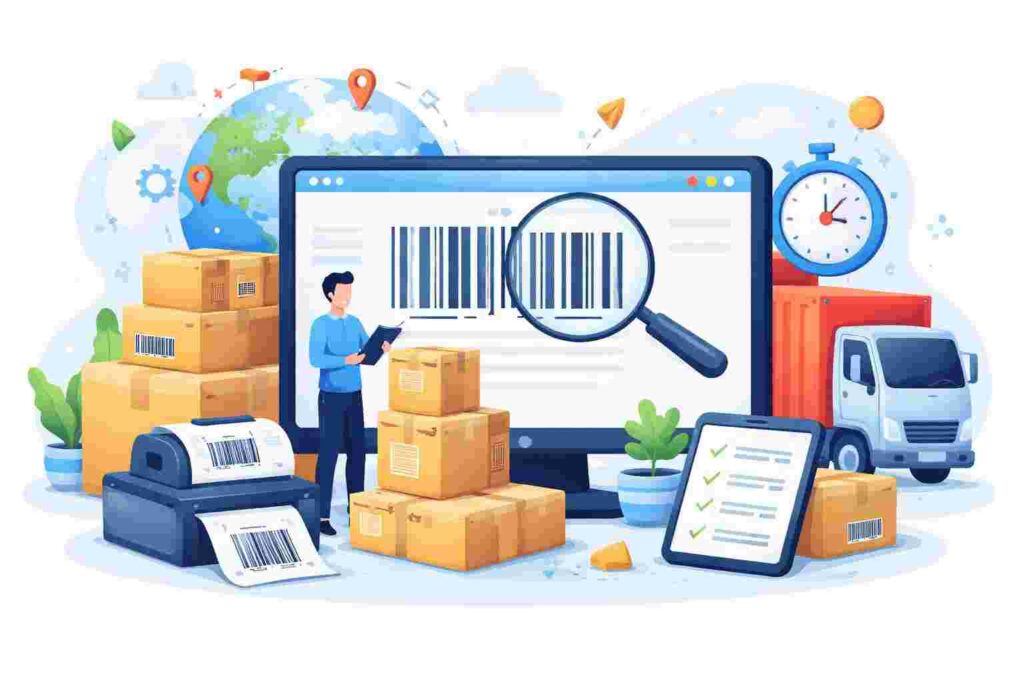
In today’s fast-paced world, ensuring the accuracy of shipping processes is crucial for businesses striving for efficiency and customer satisfaction. One of the most transformative tools available in logistics is a barcode generator shipping. These systems not only simplify the process of tracking items but also play a significant role in minimizing errors in shipments. In this article, we will explore several aspects of barcode technology and its importance in modern shipping operations.
Understanding Barcode Generators in Shipping
Before delving into the intricate details of barcode systems, it’s essential to grasp the foundational elements. Understanding what a barcode generator is, the types of barcodes used in shipping, and their impact on operational efficiency can significantly enhance your knowledge.
What is a Barcode Generator?
A barcode generator is a software application or device that creates barcodes, which are visual representations of data that can be scanned and interpreted by barcode readers. These generators convert alphanumeric data into a machine-readable format, enabling the automatic tracking, storing, and managing of products in the shipping and logistics sectors.
Types of Barcodes Used in Shipping
- UPC (Universal Product Code)
- QR Codes (Quick Response Codes)
- EAN (European Article Number)
- Code 128
- Interleaved 2 of 5
Each barcode type has specific use cases, with some being more suited for retail environments while others excel in inventory management.
How Barcode Generators Work
Barcode generators function by encoding data into a series of black and white bars, which represent different numbers and letters. Upon scanning, the barcode reader interprets these bars and converts them back into readable data. This process streamlines various shipping tasks, including order tracking and inventory management.
Importance of Accurate Barcoding
Accurate barcoding is vital for several reasons: it increases efficiency, reduces human error, enhances inventory control, and improves customer satisfaction. When businesses utilize barcode generator shipping effectively, they can avoid costly mistakes that often lead to delays and dissatisfied customers.
The Technology Behind Barcode Systems
Diving deeper into barcode systems, we can examine the technology that makes these solutions possible. Understanding these technical details will illustrate the importance of choosing the right barcode generator for your shipping needs.
Components of Barcode Scanning Systems
- Barcode Scanners: Devices that read and decode barcodes.
- Barcode Labels: Self-adhesive labels that contain barcodes.
- Software: Applications that generate and manage barcode data.
- Network Infrastructure: Systems that store the scanned data.
A cohesive setup of these components ensures that the data flow is rapid and reliable, enhancing the overall shipping process.
Software Solutions for Barcode Generation
There are numerous software options available for generating barcodes, ranging from free online tools to sophisticated enterprise solutions. Some popular options include BarTender, NiceLabel, and ZebraDesigner. These applications not only create barcodes but also allow for customization to meet specific business needs.
Integration with Shipping Platforms
Integrating barcode generators with existing shipping platforms can enhance operational efficiency. This integration allows for seamless data transfer between the barcode system and logistics software, reducing the chances of errors and improving the speed of processing shipments.
Data Encoding Techniques
Different data encoding techniques can be used to create barcodes, which influences how data is stored and retrieved. Techniques such as linear encoding and 2D encoding offer various advantages, and understanding these can help businesses choose the most effective method for their shipping requirements.
Impact on Logistics and Supply Chain Management
The application of barcode technology yields significant impacts on logistics and supply chain management. By providing a deeper analysis, we can explore how barcode generators enhance operational efficiency and deliver tangible business outcomes.
Industries Benefiting from Barcode Solutions
- Retail: For inventory management and sales tracking.
- Healthcare: For patient tracking and medication management.
- Logistics: For shipment verification and tracking.
- Manufacturing: For supply chain optimization.
- Food Service: For tracking perishables and compliance.
These industries have embraced barcode technology to improve accuracy and streamline operations.
Cost Reductions Achieved Through Barcoding
Implementing barcode generators can lead to substantial cost savings for businesses. For example, organizations often see reductions in labor costs associated with data entry and inventory errors, which can reduce operational costs by as much as 30% per year.
Enhancing Inventory Management
Barcode systems facilitate real-time inventory management, allowing businesses to maintain optimal stock levels and minimize overstocking or stockouts. This real-time oversight helps in executing just-in-time inventory systems, leading to reduced storage costs.
Streamlining Order Fulfillment Processes
With barcoding, order fulfillment becomes more accurate and faster. Automated systems can match barcodes with order information, ensuring that the right products are shipped to customers and reducing returns due to errors.
Strategic Advantages of Using Barcode Generators
Employing barcode generators offers strategic benefits that can position a company ahead of its competitors. Understanding these advantages can be crucial when considering systems to enhance shipping accuracy.
Improved Accuracy and Speed
One of the most significant advantages of barcode technology is the dramatic improvement in accuracy and processing speed. Automated barcode systems reduce human errors that occur during manual processes and allow for rapid data input.
Enhanced Traceability in Shipments
Traceability is essential for businesses to monitor the flow of goods, understand their origins, and ensure compliance with regulations. Barcode systems provide crucial data about product movement throughout the supply chain.
Customer Satisfaction and Experience
By ensuring accurate and timely shipping, businesses enhance their customer experience. Customers are more likely to return to a company that delivers on time and correctly fulfills orders.
Competitive Edge in Logistics
Companies that effectively implement barcode generator shipping can achieve a significant competitive advantage. Improved logistics operations, reduced costs, and superior customer service will distinguish businesses in a crowded marketplace.
Risks and Limitations of Barcode Technologies
Despite the multiple advantages, businesses must also consider potential risks and limitations associated with barcode systems. Understanding these challenges can prepare organizations for overcoming them effectively.
Common Challenges in Barcode Implementation
- Staff Training: Employees must be trained to use new systems effectively.
- Integration Issues: Combining barcode systems with existing software can present challenges.
- Maintenance: Regular updates and maintenance are necessary to ensure smooth operation.
- Initial Costs: Upfront investment can be a barrier for some businesses.
Addressing these challenges upfront can lead to a smoother implementation process.
Risks of Mis-Scanning and Data Errors
While barcode systems facilitate accuracy, mis-scanning can lead to significant data errors. This risk emphasizes the importance of regular calibration and maintenance of scanning devices to ensure data integrity.
Dependency on Technology
As businesses rely more heavily on technology, there is a risk associated with system failures or outages. Having contingency plans in place is essential to mitigate these risks.
Cost Considerations for Small Businesses
For small businesses especially, the costs associated with implementing barcode systems can be prohibitive. It’s essential for small enterprises to calculate potential ROI before making a significant investment in barcode technology.
Comparison of Barcode Generators
When selecting a barcode generator, understanding the different options available and their associated costs is essential. The following table provides a comparative analysis of various barcode generators in terms of features and pricing.
| Barcode Generator | Cost per Month | Key Features | Brand Reputation | User Reviews |
|---|---|---|---|---|
| BarTender | $39 | Advanced design tools, regulatory compliance | High | 4.5/5 |
| NiceLabel | $30 | User-friendly, scalability options | Medium | 4/5 |
| ZebraDesigner | $45 | Comprehensive label design, printer management | High | 4.7/5 |
| Online Barcode Generator | Free | Basic barcode generation | Low | 3.5/5 |
Choosing the right barcode generator depends on the individual requirements of a business, including budget, features, and user experience.
Market Trends and Statistics in Barcode Usage
The barcode industry is continuously evolving, with several trends that influence its adoption in shipping. Understanding these trends is critical for businesses planning for the future.
Growth Rate of Barcode Technology Adoption
The global barcode market size was valued at approximately $45 billion in 2021 and is expected to grow at a CAGR of around 4.5% from 2022 to 2030. This growth reflects the increasing demand for automation in shipping processes.
Industries with Highest Barcode Usage
- Retail
- Healthcare
- Logistics
- Manufacturing
- Food Services
These sectors primarily drive demand due to their reliance on efficiency and accuracy for operational success.
Cost Savings Statistics
Companies that implement barcode solutions report an average reduction of up to 30% in labor costs associated with inventory and order fulfillment processes. These savings can yield significant profit margins over time.
Projected Future Market Trends
As technology advances, trends like mobile barcode scanning and integrated inventory management systems are expected to gain popularity. The future will likely see an increased focus on intelligent barcoding solutions that combine Internet of Things (IoT) advancements with traditional barcode technology.
Case Studies of Successful Implementations
Real-world applications provide insight into the valuable outcomes that businesses have experienced through the effective utilization of barcode generators. Analyzing these case studies helps illustrate the practical benefits of barcode technology.
Case Study 1: Retail Shipping Improvements
A leading retail brand implemented barcode systems across its distribution centers, resulting in a 25% increase in shipping accuracy. Prior to this implementation, the company faced a high rate of returns due to shipment errors.
Case Study 2: Warehouse Management Success
A major logistics firm adopted a comprehensive barcode tracking system for their warehouse operations, which improved inventory visibility by 40%. This implementation significantly reduced the time spent on stock counts and order processing.
Case Study 3: Delivery Efficiency Gains
By employing barcode generators, a regional food delivery service achieved a 30% faster delivery time. Orders were accurately monitored throughout the delivery chain, minimizing errors that previously caused delays.
Measurable Outcomes from Implementations
Across these case studies, tangible improvements in accuracy, efficiency, and customer satisfaction illustrate the positive impacts of barcode double-digit performance increases in logistics operations.
Future Outlook of Barcode Generation in Shipping
As technology advances, the future of barcode generation in shipping is poised for significant changes. Understanding these upcoming trends can help businesses prepare for integration and adaptation.
Emerging Technologies in Barcode Systems
Technologies such as augmented reality (AR) and artificial intelligence (AI) are expected to play a growing role in barcode systems. These tools can provide real-time analytics and enhanced scanning capabilities that optimize logistics operations further.
Anticipated Changes in Regulations
As industries evolve, regulatory changes often accompany advancements in technology. Companies must stay informed of new compliance guidelines related to the use of barcode technologies for tracking and safety measures.
Future Integration with AI and IoT
As the logistics sector embraces the Internet of Things (IoT), barcode technology will likely evolve to intertwine with IoT platforms, leading to smarter tracking systems that provide enhanced visibility throughout the supply chain.
Long-term Sustainability Trends
As environmental concerns rise, sustainability will become a more significant focus for industries. Barcode solutions that minimize waste and enhance resource management will be favored, contributing to broader corporate responsibility goals.
Frequently Asked Questions about Barcode Generator Shipping
What are the key benefits of using barcode generators?
The primary benefits of using barcode generators include streamlining operations, increasing accuracy in inventory tracking, and enhancing shipping efficiency. Barcode systems reduce the chances of human error, allowing businesses to fulfill orders correctly and on time. Furthermore, they enhance customer satisfaction by ensuring accurate delivery.
How do barcode generators improve shipping accuracy?
Barcode generators improve shipping accuracy by automating the data entry and tracking processes. This dramatically reduces the likelihood of errors, as information is scanned directly into the system rather than entered manually. As a result, businesses can expect fewer incorrect shipments and returns, ultimately leading to increased customer trust and loyalty.
Can barcode systems integrate with existing shipping software?
Yes, most contemporary barcode systems are designed to integrate seamlessly with existing shipping and logistics software. This integration facilitates smooth data flow, allowing companies to optimize their operations without needing significant upgrades to their current systems. Proper integration can eliminate data redundancy and enhance overall efficiency.
What are the initial costs related to barcode implementation?
Initial costs for barcode implementation can vary based on the complexity of the system and the features required. Businesses may encounter expenses for hardware, software licenses, label printing, and staff training. However, the long-term savings and efficiency provided by barcode systems often justify these upfront costs.
Are there alternatives to traditional barcode systems?
Yes, alternatives to traditional barcode systems include RFID (Radio Frequency Identification) technology and QR codes. While barcodes are still widely used due to their low cost and ease of implementation, technologies such as RFID offer enhanced capabilities for tracking and managing inventory over distances without requiring direct line-of-sight scanning.
How can small businesses utilize barcode technology effectively?
Small businesses can effectively utilize barcode technology by starting with basic systems that meet their immediate needs. Many cost-effective solutions are available for small enterprises to adopt barcoding at an entry-level. Additionally, utilizing readymade software packages that integrate with existing platforms can also enhance operational efficiency without large upfront investments.
Conclusion
In conclusion, the use of barcode generator shipping significantly improves shipping accuracy and enhances overall logistics efficiency. The technology’s numerous advantages, from cost savings to improved customer satisfaction, make it a vital component in modern shipping practices. Businesses seeking to streamline operations and minimize errors should consider implementing barcode systems into their logistics strategy.
Summary of Key Tips
In summary, understanding the technology behind barcode systems, recognizing the potential value they can bring, and being aware of common challenges are essential for successful implementation. Key takeaways include:
- Investing in reliable barcode systems can provide immediate benefits to logistics operations.
- Integration with existing software is crucial for maximizing the effectiveness of barcode technology.
- Training for staff is necessary to ensure the success of the newly implemented systems.
- Regular maintenance of scanning devices will help in minimizing errors.
Final Thoughts on Improving Shipping Operations
To thrive in a competitive environment, businesses must continually seek innovative solutions. Barcode technology is a proven method to enhance efficiency and accuracy in shipping operations. By leveraging the latest advancements in barcode generation, organizations can position themselves for sustainable growth.
Call to Action for Utilizing Barcode Technology
Embrace the power of barcode technology in your shipping operations today! Explore the available solutions and take the next step toward transforming your logistics process for greater efficiency and accuracy.