
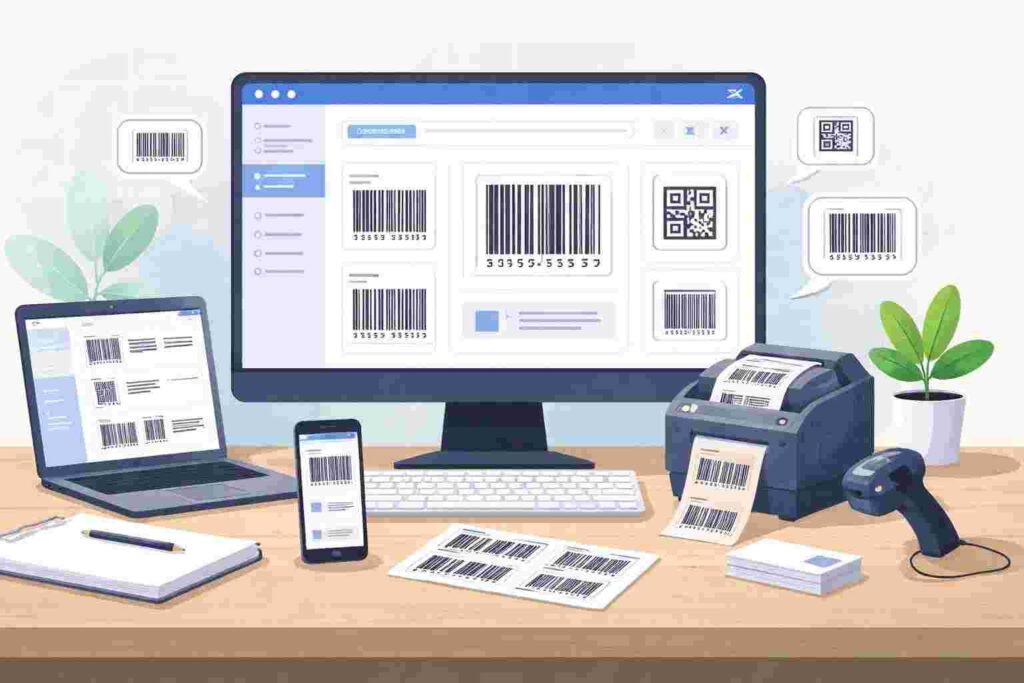
Understanding Barcode Generators
A barcode generator with numbers is a versatile tool that converts numerical data into a visual representation: a barcode. Barcodes serve as a quick-reference system that allows for efficient tracking of products, inventory, and various data points in numerous industries ranging from retail to healthcare. When integrated properly, barcode systems can enhance operational efficiency, reduce errors, and facilitate quick data access. In this article, we will explore the significance of barcode generators, the different types available, and highlight 11 smart examples that illustrate their effective application.
Table of Contents
Barcodes utilize a variety of formats such as UPC, EAN, and QR codes, which correspond to different uses and industries. A barcode generator with numbers specifically focuses on translating a series of numbers into a barcode format. These generators can be online tools, downloadable software, or even mobile applications. Each type has its unique set of features that can cater to various user needs, from simple generation for personal use to complex systems designed for enterprise solutions.
Using barcode generators offers multiple benefits including enhanced accuracy in data entry, quicker sales transactions, and improved stock management. This technology significantly reduces human error associated with manual data handling. For instance, by scanning barcodes, businesses can instantly retrieve product information, monitor inventory levels, and track sales trends. This prompts businesses to streamline their operations and improve customer satisfaction as a direct consequence.
Types of Barcode Generators
There are numerous types of barcode generators available in the marketplace, and understanding the differences is essential for selecting the right one based on your needs. Here is an overview of the primary types of barcode generators:
- Online Generators: These are web-based tools that allow users to generate barcodes instantly without needing to download any software. They usually offer various formats such as Code 128, Code 39, EAN-13, etc.
- Desktop Software: These generators are software applications that users download and install on their computers. They often feature advanced functionalities like batch generation and customizable designs.
- Mobile Apps: Mobile barcode generators are available on smartphones and tablets, allowing users to create barcodes on the go. They are user-friendly and often include capabilities for scanning existing barcodes.
- API Services: For developers and businesses needing to integrate barcode generation within their applications, API services provide powerful solutions for automation.
- Enterprise Solutions: Comprehensive systems designed for larger businesses which may include inventory management, customer relationship management (CRM), and more.
Benefits of Using Barcode Generators
Utilization of barcode generators brings several advantages that can significantly enhance operational efficiency across various industries. Here are some of the key benefits:
- Increased Accuracy: Barcodes minimize human error, ensuring data integrity. Scanning a barcode is generally more reliable than manual data entry.
- Time Efficiency: Barcodes speed up processes like checkouts and inventory counts, resulting in quicker service and reduced waiting times.
- Cost-Effective: Although there may be initial costs involved in implementing barcode systems, the long-term savings from reduced errors and enhanced efficiency can be substantial.
- Improved Inventory Management: Businesses can accurately track stock levels and reduce excess or insufficient inventory levels.
- Versatile Applications: Barcode generators can be applied in various sectors including retail, warehousing, healthcare, and logistics.
Choosing the Right Barcode Generator
When selecting the ideal barcode generator, consider several factors based on your organizational needs. Here are some crucial considerations:
- Industry Requirements: Different industries have specific barcode formats; ensure the generator accommodates these standards.
- Integration Capabilities: Look for tools that can easily integrate with your current software systems.
- Customization Options: The ability to modify the design of your barcodes may be important for branding purposes.
- User-Friendliness: The tool should have an intuitive interface that is easy for your team to use without extensive training.
- Cost Consideration: Compare pricing models to find a generator that fits within your budget while offering the necessary features.
Smart Examples of Barcode Usage
Let’s delve into 11 smart examples of barcode generators with numbers, illustrating their practical applications:
- Retail and Point of Sale: Retailers utilize barcode systems at checkout to quickly process transactions, scanning items directly instead of entering prices manually.
- Inventory Control: Warehouse managers implement barcode scanners to track stock levels, reducing the time spent on manual counts.
- Shipping and Logistics: Companies use barcodes to track packages throughout the shipping process, ensuring accurate delivery and updates.
- Healthcare: Hospitals utilize barcodes for medication administration, reducing errors in dispensing medications to patients.
- Event Management: Event organizers employ barcodes on tickets to streamline entry, allowing for fast check-ins at events.
- Library Management: Libraries barcode their inventory to facilitate book checkouts and returns, improving operation efficiency.
- Product Identification: Manufacturing plants use barcodes to label products for easy identification during assembly.
- Data Collection: Field researchers use barcode generators to create labels for samples, aiding in quick and accurate data collection.
- Promotional Campaigns: Marketers create barcodes on promotional materials allowing customers to quickly access related digital content.
- Mobile Payments: Several mobile applications allow users to generate and scan barcodes to facilitate fast and secure payment options.
- Personal Use: Individuals can use barcode generators for organizing personal items, such as creating barcodes for home inventory management.
Best Online Barcode Generators
The market is saturated with barcode generators, each coming with its unique features. Here are some of the best online barcode generators with numbers reviewed:
| Barcode Generator | Type | Key Features |
|---|---|---|
| Free Tools Land Barcode Generator | Online | Customizable barcodes, multiple formats, user-friendly |
| Barcode Generator by Barcode.tec-it.com | Online | Batch generation, advanced settings, QR code support |
| Online Barcode Generator by barcodesinc.com | Online | Multiple formats, free to use, easy to navigate |
| Label Joy | Desktop | Print labels with barcodes, extensive design options |
Common Challenges with Barcode Generators
While barcode generators offer many benefits, users may encounter common challenges that could hinder effectiveness. Some of these challenges include:
- Quality vs. Cost: Some cheap barcode generators may produce low-quality images that can lead to scanning issues.
- Compatibility: Certain barcode formats may not be recognized by all scanners, presenting potential delays in processing.
- User Errors: Incorrect input during the barcode creation process can lead to inaccurate data being encoded.
- Infrastructure Needs: Some businesses may require a significant infrastructure update to successfully implement barcode systems.
- Maintenance: Regular monitoring of barcode quality and usage is necessary to ensure efficiency.
Integrating Barcodes into Business Processes
Integrating barcode systems into business processes can be a transformative step towards enhancing operational efficiency. Below are steps for successful integration:
- Assessment: Evaluate current processes to determine where a barcode system would be most beneficial.
- Choose the Right Tool: Select a barcode generator and scanning system tailored to your business needs.
- Train Staff: Ensure team members are adequately trained on how to use the new systems to prevent resistance and errors.
- Monitor Performance: Regularly review how effectively barcodes are being implemented in daily operations.
- Iterate: Be prepared to make adjustments to the system based on performance and user feedback.
Barcode Scanning Technologies
Barcode scanning technologies have evolved over the years, leading to improved efficiency in various applications. Here’s a quick overview of commonly used barcode scanning technologies:
- Laser Scanners: Utilize laser beams to read barcodes. These are highly accurate and perform best with linear barcodes.
- Imaging Scanners: Capture images of barcodes and decode them. They work well on printed and digital barcodes.
- Mobile Scanning: Smartphones can be used as barcode scanners through specific applications, enabling portability.
- 2D Scanners: Designed to read QR codes and other data-dense formats, allowing for more extensive information encoding.
- Omni-directional Scanners: Allow users to scan barcodes at various angles, improving the speed of transactions.
Future of Barcode Generators
The technology surrounding barcode generation and scanning is continuously evolving, paving the way for innovations in various industries. As companies focus increasingly on automation and efficiency, the future of barcode technology looks promising. New developments may include:
- Integration with IoT: Barcodes combined with Internet of Things (IoT) devices can enhance tracking and inventory management further.
- Augmented Reality: Future scanners may incorporate AR to provide users with additional information upon scanning.
- Cloud-Based Solutions: Barcode generation and management could transition into cloud-based solutions, providing accessibility across multiple devices and locations.
- Advanced Data Formats: Future barcodes might encode more complex data or integrate with smart technologies to provide real-time information.
Frequently Asked Questions (FAQ)
Below are common questions about barcode generators with numbers that provide a deeper understanding of their functionality:
- What types of data can be encoded in a barcode? Barcodes can encode various types of data including product numbers, URLs, and other numerical identifiers.
- Can I generate barcodes for free? Yes, many online barcode generators offer free services, though they may have limitations on features or formats.
- How do I scan a barcode? You can scan a barcode using a dedicated barcode scanner or a smartphone application specifically designed for reading barcodes.
- What are the most common barcode formats? Some of the most common formats are UPC, EAN, Code 39, and QR Codes.
- Are barcodes unique? While barcode data can be unique, it depends on the system used; ensuring unique codes is crucial to avoid errors.
Conclusion
Implementing a barcode generator with numbers is not just an option but a necessity for businesses aiming for operational efficiency and accuracy. From enhancing inventory management to streamlining sales processes, the utility of barcodes cannot be overstated. With a plethora of available tools and generators, businesses can select solutions tailored to their unique needs. By leveraging the advantages of barcode technology, companies can enhance productivity, ensure accuracy, and ultimately improve their service delivery and customer satisfaction.