
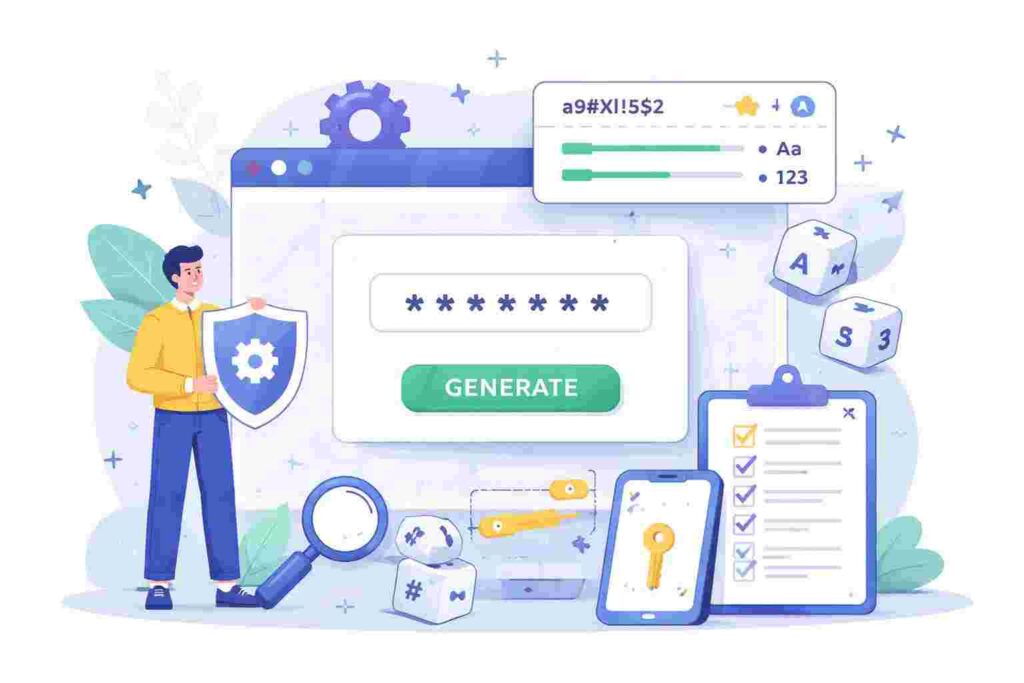
In an era where digital security is paramount, the significance of strong passwords cannot be overstated. Cyber threats are ever-evolving, making it crucial for individuals and organizations alike to adopt protective measures. One of the most effective ways to safeguard sensitive information is by creating complex passwords. Complex password generators stand at the forefront of this security approach, offering tools that assist in the creation of robust passwords. In this article, we will explore 11 expert-recommended methods for generating complex passwords, emphasizing their importance in enhancing overall cybersecurity.
Understanding Complex Passwords
The foundation of effective online security begins with understanding what constitutes a complex password. While many users settle for easily memorable phrases, the reality is that these often lack the necessary complexity to deter cybercriminals. A complex password combines various elements that make it inherently difficult to guess. Here, we will delve into the essential characteristics of strong passwords, dispelling myths that may undermine password security.
Definition of Complex Passwords
A complex password is typically defined as a password that contains a combination of upper and lower case letters, numbers, and special characters. This multi-faceted approach significantly increases the entropy of the password, making it far less susceptible to brute-force attacks. Cybersecurity experts recommend that a complex password should have a minimum length of at least 12 to 16 characters to ensure adequate protection.
Characteristics of Strong Passwords
- Length: The longer the password, the better.
- Variety: Incorporates upper and lower case letters.
- Symbols: Uses a mix of numbers and special characters.
- Unpredictability: Avoids common words or phrases.
- Unique: Different passwords for different accounts.
Common Myths about Password Security
Many individuals hold misconceptions regarding password security. One prevalent myth is that using a password manager encourages laziness and reduces security. In reality, password managers generate and store complex passwords, negating the need for memorization while maintaining a robust security posture. Another common myth is that changing passwords frequently increases security; however, frequent changes can lead to weaker passwords, as users may resort to predictable alterations.
How Complex Password Generators Work
Understanding the technical workings behind complex password generators is vital for users looking for reliable tools. These generators utilize algorithms that create unpredictable combinations of characters, offering users the ability to produce strong passwords effortlessly. Furthermore, the underlying technology ensures the passwords generated maintain a high level of randomness, thwarting any attempts at prediction.
Algorithms Used in Password Generation
Password generators typically employ algorithms such as pseudo-random number generators (PRNGs) and cryptographic algorithms. PRNGs provide a fast method for generating random numbers that can be translated into password characters. On the other hand, cryptographic algorithms ensure the randomness is secure, rendering generated passwords unpredictable and resistant to attacks.
Randomness vs. Predictability
One of the critical factors in password security is the concept of randomness. A truly random password is created without any discernible pattern or predictability. Many simple password generators fall short in this regard, creating sequences that can be forecasted if the user employs a predictable method. On the contrary, reputable complex password generators are built to create passwords that are virtually impossible to guess, regardless of the attack method employed.
Encryption Techniques for Password Storage
While generating strong passwords is essential, securing those passwords using robust encryption techniques is equally crucial. Many password generators incorporate encryption methods to store generated passwords safely. Techniques such as hashing, salting, and the use of secure vaults ensure that even if a database is compromised, the passwords remain protected.
The Benefits of Using Complex Passwords in Business
Complex passwords provide a multitude of advantages, particularly for businesses that handle sensitive data. In various industries, the stakes are high, and deploying strong password practices enhances security frameworks, reducing vulnerabilities that could lead to breaches, legal issues, or loss of customer trust. Below, we explore the specific benefits tailored to different sectors.
Banking and Financial Services
- Protection against identity theft.
- Compliance with regulatory standards.
- Safeguarding customer data from breaches.
- Maintaining client trust through robust security.
Healthcare Data Protection
- Ensuring HIPAA compliance.
- Protecting sensitive patient information.
- Preventing unauthorized access to medical records.
- Safeguarding against cyberattacks that target healthcare institutions.
E-commerce Security
- Protecting customer transaction data.
- Building consumer trust with secure shopping experiences.
- Minimizing the risks of credit card fraud.
- Enhancing brand reputation through security.
Strategic Advantages of Implementing Password Generators
For organizations looking to bolster their cybersecurity measures, adopting password generators can provide several strategic advantages. From operational efficiencies to compliance benefits, the implementation of complex passwords can enhance an organization’s overall security posture dramatically.
Time Efficiency in Password Management
Password generators streamline the often tedious task of password management. By automating the creation of secure passwords, employees can focus on their core tasks rather than worrying about generating and remembering complex passwords. This efficiency translates into increased productivity across the organization, reducing downtime associated with password management issues.
Reduction of Human Error
Human error is one of the leading causes of security breaches. By utilizing password generators, organizations can mitigate the risks associated with manually created passwords. Automated generation means a reduced likelihood of compromised passwords due to human lapses—such as using weak passwords or reusing them across multiple accounts.
Compliance with Security Standards
Many industries are governed by strict security standards. Password generators can help organizations meet these requirements effortlessly, ensuring that all passwords adhere to the necessary complexity guidelines. Compliance not only protects organizations legally but also enhances the credibility of their security protocols.
Limitations and Risks of Complex Passwords
Despite the numerous advantages offered by complex passwords, it is essential to address the limitations and potential risks they pose. Understanding these downsides allows organizations to create comprehensive security policies that address challenges encountered in real-world applications of complex passwords.
Risk of Password Fatigue
Password fatigue is a real phenomenon experienced by users inundated with complex password requirements. The constant need to memorize intricate passwords can result in frustration, leading users to adopt simpler, more predictable passwords or resort to writing them down—which can expose them to risk.
Dependency on Technology
With technology playing a pivotal role in password generation and management, organizations may become overly reliant on these tools. A failure or malfunction in the password generator could lead to widespread access issues, potentially halting productivity and causing security vulnerabilities if immediate solutions aren’t in place.
Potential for Over-Complexification
Complex passwords theoretically should enhance security; however, over-complicating passwords can paradoxically weaken them. For instance, if passwords become so intricate that they exceed the limits of human comprehension, users may misuse them or create insecure workarounds to remember them, inadvertently lowering security standards.
Comparative Evaluation of Popular Password Generators
A variety of password generators available on the market offer diverse features and functionalities. Understanding how they stack up against one another provides insight into selecting the right tool tailored to specific needs. The following table highlights the features of popular password generators, enabling users to make informed decisions.
| Generator | Key Features | Price | User Satisfaction |
|---|---|---|---|
| LastPass | Cloud storage, auto-fill, secure sharing | Free/Premium | 4.5/5 |
| 1Password | Two-factor authentication, travel mode | $2.99/month | 4.7/5 |
| Dashlane | Dark web monitoring, password health reports | $3.33/month | 4.6/5 |
| Bitwarden | Open-source, self-hosting option | Free/Premium | 4.8/5 |
Statistics and Trends in Password Security
The landscape of password security is constantly evolving, driven by trends in technology and changing regulatory requirements. Various statistics highlight the growing importance of utilizing complex passwords and password management tools, revealing insights into current security practices and breaches.
Password Breach Statistics
Recent data shows that approximately 81% of breaches involve weak or stolen passwords, underlining the necessity for adopting complex password practices. As cyber threats increase, organizations that fail to implement robust password strategies risk significant financial and reputational damage.
Adoption Rates of Password Managers
Surveys indicate that the adoption of password managers has surged, with over 30% of internet users employing these tools as of 2023. The increasing awareness of cybersecurity has motivated individuals and businesses alike to seek secure solutions for password management.
Trends in Cybersecurity Investments
The global cybersecurity market is projected to reach $345.4 billion by 2026, with a significant portion allocated for password security solutions. Organizations are increasingly viewing cybersecurity as a critical business investment, leading to higher demand for advanced password management and generation tools.
Real-World Case Studies on Effective Password Strategies
To comprehend the tangible benefits derived from employing complex password generators, reviewing real-world case studies reveals essential insights into corporate strategies that effectively enhanced their password security. The following examples showcase measurable results achieved through strategic password implementations.
Company A Before and After Implementation
Prior to implementing a password generator, Company A faced recurring security breaches due to weak passwords across their network. By introducing a complex password generator, they established a policy that mandated the use of 16-character passwords containing letters, numbers, and symbols. Subsequently, they reported a 70% reduction in successful breaches over the following year.
Lessons Learned from Company B’s Experience
Company B, a mid-sized e-commerce platform, adopted a password management tool to streamline user security. Despite initial resistance from employees due to password fatigue, implementing educational sessions highlighting the importance of password security transformed their culture. They saw a surge in user-generated password complexities, resulting in a complete avoidance of breaches for over 18 months.
Industry-Wide Impact Assessments
Analysis shows that industries, particularly finance and healthcare, that have turned to standardized password generators have noted a marked decline in unauthorized access incidents. By prioritizing intricate password strategies, organizations within these sectors report an overall improvement in stakeholder confidence and enhanced data integrity.
The Future of Password Complexity and Generation
As technology advances, the world of password security will evolve concurrently. Predictions regarding trends and future technologies suggest an exciting landscape where password management will progress beyond traditional methods, fostering improved security measures.
Biometrics as an Alternative
Biometric technology, including fingerprint and facial recognition, is gaining traction as a viable alternative to traditional passwords. This shift could lead to a reduction in password usage while improving security systems considerably. Biometric methods could provide an additional layer, allowing for secure access without the complexities tied to traditional passwords.
The Role of AI in Password Generation
Artificial Intelligence is poised to revolutionize password generation through adaptive learning algorithms that can determine optimal security parameters based on user behavior. As AI continues to advance, it may offer insights into predictability, further enhancing security through individualized password policies.
Future Password Policies
Regulatory frameworks surrounding password practices are anticipated to evolve, possibly standardizing complex password protocols across industries. Future policies may mandate authentication practices that incorporate both traditional and biometric methods, ensuring users adhere to an elevated security standard.
Frequently Asked Questions
What makes a password ‘complex’?
A password is deemed complex when it contains a mixture of uppercase and lowercase letters, numbers, and symbols while adhering to a minimum length requirement. Complexity is key to mitigating the risk of guessing or cracking methods used by cybercriminals. The diversity in character types helps to create expansive combinations, thus requiring significant computational power to breach them, making such passwords a critical aspect of cybersecurity.
How secure are password generators?
Generally, password generators enhance security significantly by producing random and convoluted combinations that are challenging to crack. They use advanced algorithms to ensure the passwords generated are unpredictable. However, the security of a password generator is also reliant on other factors, such as how the generated passwords are stored or how user data is handled. Utilizing reputable generators with robust encryption and security measures in place can bolster overall security.
Can complex passwords be memorized?
While it is possible to memorize complex passwords, the character combinations can be challenging for the average user to recall. Hence, utilizing a password manager enables users to store complex passwords securely without needing to memorize each one. Some may choose to create memorable passphrases by creatively incorporating personal associations, but this method risks predictability.
How often should passwords be changed?
Many experts recommend changing passwords every three to six months. However, if a breach occurs or a password is suspected to have been compromised, it should be changed immediately. Organizations should develop clear protocols surrounding password changes aligned with best practices and specific risk exposure levels.
Are there free complex password generators?
Yes, several reliable free password generators are available, providing users with options to create complex passwords at no cost. Tools like Bitwarden and LastPass offer robust features without requiring payment. However, users should ensure that the selected generator has a solid reputation in the security industry, to safeguard their data privacy and security.
What to do if my password is compromised?
In the unfortunate event of a compromised password, it is crucial to act quickly. First, change the password for the affected account immediately. Following this, assess other accounts and change those passwords as well if they were similar. Implementing two-factor authentication can add a further layer of security. Lastly, alert any critical services or organizations involved that your credentials may have been exposed.
Conclusion
The ever-growing landscape of digital threats necessitates robust security measures, and leveraging complex password generators is a critical component of this strategy. The 11 expert-recommended methods discussed highlight the multifaceted benefits that these tools provide, from enhancing individual security practices to streamlining organizational operations. In an age where cyber resilience is paramount, adopting a proactive approach to password management will undoubtedly serve as a formidable line of defense against cyber threats.