
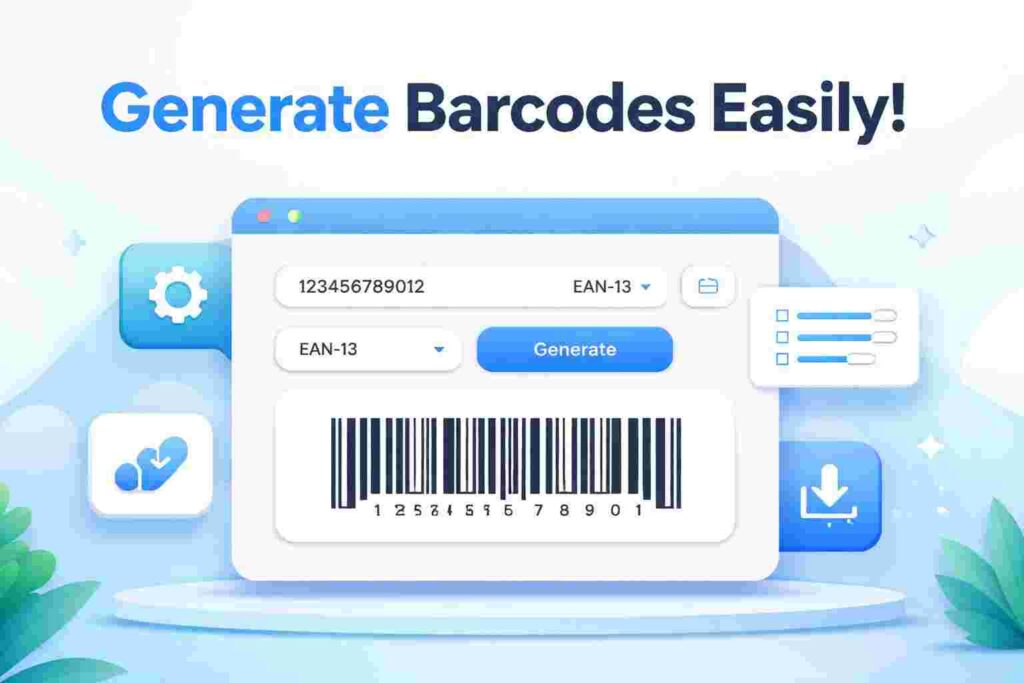
In today’s fast-paced digital economy, a barcode generator from number is one of the most practical tools businesses can use to convert numeric data into scannable, trackable codes. Whether it’s product IDs, serial numbers, invoice numbers, or tracking codes, turning numbers into barcodes enhances accuracy, reduces human error, and speeds up operations.
Table of Contents
Every day, billions of barcodes are scanned globally across retail stores, warehouses, hospitals, and logistics hubs. This shows how deeply integrated barcode systems have become in modern commerce.
If you want to understand how a barcode generator from number can transform workflows, improve productivity, and increase operational accuracy, this comprehensive guide breaks it down clearly.
Understanding How a Barcode Generator From Number Works
A barcode generator from number converts purely numeric input into machine-readable barcode formats. Instead of manually encoding patterns, users simply input a number, such as:
- Product ID
- Serial number
- Order number
- Tracking number
- Invoice reference
- Batch code
The system then converts that numeric string into formats like:
- UPC-A
- EAN-13
- Code 128
- Code 39
- ITF-14
Once generated, the barcode can be downloaded in high-resolution formats such as PNG or SVG and printed on labels or packaging.
This simple process eliminates typing errors and ensures data consistency.
Why Numeric Barcode Encoding Is Essential for Businesses
Manual number entry is prone to mistakes. A single digit error can result in:
- Wrong shipments
- Billing errors
- Inventory discrepancies
- Customer dissatisfaction
Barcode encoding significantly reduces these risks.
| Manual Numeric Entry | Barcode Scanning |
|---|---|
| High error rate | Highly accurate |
| Slower processing | Instant retrieval |
| Labor-intensive | Automated |
| Risk of duplication | Unique tracking |
Research in supply chain management shows barcode systems reduce data entry errors by up to 90% compared to manual processes. That’s a powerful efficiency upgrade.
9 Smart Use Cases of Barcode Generator From Number
1. Retail Product Identification

Retail stores rely heavily on numeric barcode systems. UPC and EAN codes are numeric-based standards widely used in supermarkets and retail chains.
Using a barcode generator from number allows retailers to:
- Encode product numbers
- Standardize SKUs
- Speed up checkout
- Reduce pricing errors
Studies show barcode checkout systems reduce transaction time by up to 40%, improving customer satisfaction and operational flow.
2. Inventory Management and Stock Control
Inventory systems depend on numeric identifiers for each product.
By converting these numbers into barcodes, businesses can:
- Track stock movement in real time
- Prevent overstocking
- Minimize stockouts
- Improve warehouse efficiency
Companies implementing barcode systems report up to a 25% improvement in inventory accuracy and a 20–30% reduction in carrying costs.
3. Order and Invoice Tracking
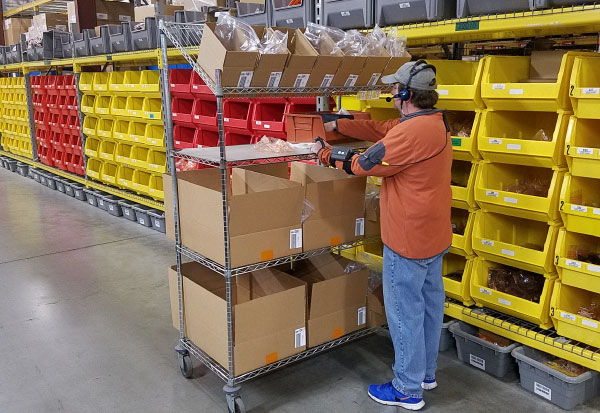
Every order and invoice usually carries a unique number.
Using a barcode generator from number, businesses can encode:
- Order IDs
- Invoice numbers
- Payment references
- Return authorizations
This simplifies tracking and reduces billing disputes. Scanning instantly retrieves order history from databases.
4. Logistics and Shipment Tracking
Shipping companies depend on numeric tracking numbers.
Encoding these numbers into barcodes ensures:
- Real-time shipment updates
- Reduced delivery errors
- Faster warehouse processing
- Improved route accuracy
According to logistics industry data, barcode-based tracking improves order accuracy by approximately 25% and accelerates dispatch time by up to 20%.
5. Asset Management and Equipment Monitoring

Businesses assign numeric asset IDs to equipment.
By converting these numbers into barcodes, organizations can:
- Track maintenance schedules
- Prevent asset loss
- Monitor equipment location
- Improve accountability
Industries benefiting include IT departments, manufacturing plants, healthcare facilities, and educational institutions.
6. Healthcare Patient and Medication Identification
Hospitals use numeric identifiers for:
- Patient IDs
- Prescription numbers
- Lab samples
- Medication batches
Barcode scanning reduces medication administration errors significantly. Research shows barcode-based medication systems can reduce drug administration errors by up to 50%.
In healthcare, accuracy isn’t optional—it’s critical.
7. Event Ticketing and Access Control

Event organizers generate numeric ticket IDs for attendees.
Converting these into barcodes allows:
- Faster check-ins
- Fraud prevention
- Accurate attendance tracking
- Secure access control
Concerts, conferences, and sports venues rely on barcode-based ticket validation systems.
8. Manufacturing Batch and Serial Number Tracking
Manufacturers assign numeric serial numbers to products and batches.
A barcode generator from number enables:
- Quality control tracking
- Recall management
- Production monitoring
- Warranty validation
Batch tracking ensures defective products can be identified and isolated quickly.
9. Library and Academic Record Management
Libraries and educational institutions use numeric codes for:
- Book IDs
- Student IDs
- Asset tracking
- File management
Barcode scanning ensures accurate record keeping and faster check-in/check-out processes.
Choosing the Right Barcode Format for Numeric Data
Not all barcode types are designed the same.
| Barcode Type | Ideal For | Data Type |
|---|---|---|
| UPC-A | Retail products | Numeric only |
| EAN-13 | International retail | Numeric |
| Code 128 | Logistics & advanced use | Alphanumeric |
| ITF-14 | Carton labeling | Numeric |
| Code 39 | General use | Limited numeric |
For pure numbers, UPC, EAN, and ITF formats are often the best choice.
For official barcode standards, refer to GS1 Global Standards: https://www.gs1.org/
Key Features to Look for in a Barcode Generator From Number
When selecting a tool, ensure it includes:
- Multiple numeric barcode formats
- High-resolution export (SVG preferred for printing)
- Custom sizing options
- Batch generation capability
- Compliance with international standards
- Secure HTTPS platform
Testing the barcode with a scanner before mass printing is always recommended.
Common Mistakes to Avoid
Even reliable tools can cause issues if misused.
Avoid:
- Entering incorrect digit lengths
- Using unsupported formats
- Printing low-resolution barcodes
- Ignoring quiet zone spacing
- Skipping scan testing
Precision is key when dealing with numeric data.
FAQs About Barcode Generator From Number
1. Is a barcode generator from number free?
Many online tools offer free generation with basic features.
2. Can I encode long numbers into barcodes?
Yes, but the format must support the length of the number.
3. Are numeric barcodes accepted internationally?
Yes, especially formats like EAN and UPC that follow global standards.
4. What is the best format for retail products?
UPC-A and EAN-13 are the most common retail standards.
5. Can I generate bulk numeric barcodes?
Many advanced tools allow batch generation for efficiency.
6. Is barcode scanning more accurate than manual entry?
Yes. Barcode scanning can reduce errors by up to 90%.
The Future of Numeric Barcode Encoding
Barcode technology continues evolving with:
- Cloud-based inventory systems
- Mobile scanning apps
- Smart warehouse automation
- Blockchain supply chain integration
As businesses digitize further, numeric barcode systems will remain foundational for accurate tracking and automation.
Conclusion: Why Businesses Should Use a Barcode Generator From Number
A barcode generator from number is a simple yet powerful tool that transforms numeric data into reliable, scannable information. From retail checkout and inventory management to healthcare and logistics, its applications are vast and impactful.
By reducing errors, accelerating workflows, and improving visibility, barcode systems empower businesses to operate smarter and more efficiently.
If your organization relies on numeric tracking, adopting barcode generation is not just an upgrade—it’s a competitive advantage.