
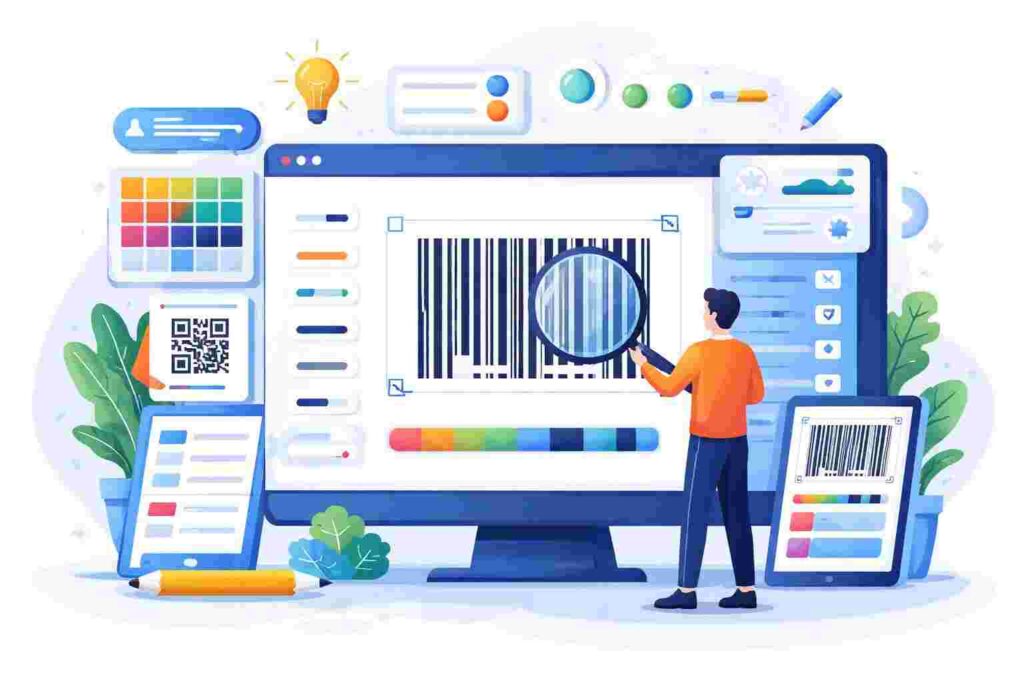
Barcode builders have revolutionized the way businesses create and utilize barcodes, providing powerful tools that cater to a multitude of industries. With the growing importance of efficient tracking and management processes, understanding the full potential of barcode builders has never been more crucial.
Table of Contents
This comprehensive article dives into the intricate features and design controls of barcode builders, highlighting their impact on modern business operations. We’ll explore why these tools are indispensable in today’s fast-paced, technology-driven marketplace.
Understanding Barcode-Builders
Definition of Barcode-Builders
A barcode-builder is a specialized software application designed to create barcodes. These applications allow users to input data and design barcodes that can be printed and scanned for various applications. Barcode builders come with user-friendly interfaces that simplify the process, making them accessible to anyone, regardless of technical expertise.
Importance in Modern Business
As businesses become increasingly reliant on technology, barcode-builders play a vital role in enhancing operational efficiency and accuracy. By streamlining data collection and inventory tracking, barcode systems reduce human error and improve productivity. Industries such as retail, logistics, and healthcare leverage these tools to maintain smooth operations, enhance customer satisfaction, and optimize resource management.
Basic Types of Barcodes
- 1D Barcodes: Traditional linear barcodes found in retail and inventory.
- 2D Barcodes: Includes QR codes which can store more information.
- PDF417: A high-capacity 2D code used in shipping and identification.
- GS1 DataBar: Used in grocery and retail for scanning products.
Key Design Controls in Barcode-Builders
Customizability Features
One of the most compelling features of barcode builders is their high level of customizability. Users can modify various elements of the barcode to suit specific needs, including:
- Data encoding: Adjusting the information encoded in the barcode.
- Size: Modifying the dimensions to ensure it fits product packaging.
- Padding: Creating space around the barcode for better scanning.
Resolution and Size Adjustments
Resolution is vital for the readability of barcodes. Barcode-builders provide options to adjust the resolution, ensuring that the barcode remains scannable even when printed at different sizes or on various surfaces. Important factors include:
- High DPI settings for clear prints.
- Custom sizing options for unique packaging.
- Preview features that simulate printed outputs.
Color and Font Options
While traditional barcodes are typically black and white, modern barcode-builders allow for color selections and font customizations for added branding. Considerations include:
- Color contrast ensuring readability.
- Text variations that can accompany the barcode for clarity.
- Embedding brand logos in certain types of 2D codes, enhancing brand visibility.
Impact of Barcode-Builders on Business Operations
Retail Industry Enhancements
In the retail sector, barcode builders streamline the sales process and inventory management. Retailers can quickly check out customers, track inventory levels, and manage restocking efficiently. The result is a noticeable improvement in operational speed and customer satisfaction.
Warehouse Management Improvements
For warehouses, barcode-builders facilitate tracking equipment and products throughout the supply chain. Automated systems powered by barcodes reduce errors, increase product traceability, and enhance visibility throughout the logistic process.
Healthcare Applications and Accuracy
In healthcare, barcode-builders ensure patient safety by maintaining accurate medication tracking and patient identification. By scanning barcodes linked to patients and meds, healthcare facilities minimize the risk of errors, leading to improved patient outcomes.
Strategic Advantages of Using a Barcode Builder
Cost Savings Over Time
Implementing a barcode system using a barcode builder can lead to substantial cost savings through operational efficiency. Businesses can cut expenses related to inventory inaccuracies and overages, yielding long-term financial benefits.
Scalability for Growing Businesses
Barcode builders can adapt to the evolving needs of growing businesses. Whether it’s scaling up manufacturing or expanding into new markets, these tools remain flexible to support businesses of all sizes.
Improved Customer Experience
With faster checkouts and fewer errors, customers experience smoother transactions. Positive consumer interactions lead to higher satisfaction rates, brand loyalty, and even increased sales.
Considerations and Limitations of Barcode Builders
Software Compatibility Issues
One potential downside of barcode builders is the compatibility with existing system software. Businesses may face challenges integrating new barcode solutions with current inventory or point-of-sale systems, requiring additional investment in IT support.
Design Complexities for Beginners
While many barcode builders promise user-friendly experiences, there can be a learning curve, particularly concerning advanced design features. Beginners may struggle to leverage all available options effectively.
Data Security Concerns
Data security is critical, especially in industries that handle sensitive information. It is essential for businesses to assess the security measures within their chosen barcode systems to mitigate potential data breaches.
Comparison of Barcode Builders: Choosing the Right Tool
Features Comparison Table
| Barcode Builder | Customization Options | Integration Capabilities | Pricing | User Ratings |
|---|---|---|---|---|
| Builder A | High | Excellent | $15/month | 4.5/5 |
| Builder B | Medium | Good | $10/month | 4/5 |
| Builder C | Low | Fair | $5/month | 3.5/5 |
Pricing Models Overview
Choosing the right barcode builder often involves comparing the pricing models of different tools. While some builders offer subscription-based services, others provide one-time purchase options, allowing for flexibility based on budget and needs. For instance, Builder A’s comprehensive suite may justify its higher monthly fee for larger businesses, while Builder C appeals to smaller startups with its economical pricing.
User Experience Ratings
User experience can vary widely among barcode builders. Customer feedback often highlights unique functionalities or shortcomings, providing valuable insight for potential users. Generally, options that rank above 4 stars tend to be favored for their usability, while those below may face criticism regarding usability or features.
Statistics and Market Trends in Barcode Technology
Market Growth Projections
The barcode technology market is projected to grow exponentially, with estimates suggesting a compound annual growth rate (CAGR) of 4.14%, reaching USD 90 billion by 2025 according to Statista. This growth underscores the rising adoption rates across various sectors.
Adoption Rates Across Industries
The adoption of barcode technologies has surged in industries like retail and logistics, with approximately 90% of supermarkets utilizing barcodes for inventory management. This high adoption rate signifies the importance of barcode systems in ensuring operational effectiveness.
Consumer Behavior Insights
Recent studies reveal that over 70% of consumers prefer shopping in stores that use modern technology, including barcode systems, indicating that businesses should prioritize integrating sophisticated tracking solutions to meet customer expectations.
Real-World Case Studies: Success with Barcode Builders
Company A: Inventory Management Streamlining
Company A, a mid-sized retail chain, implemented a barcode system using a versatile barcode builder. Before using the system, they faced challenges with stock discrepancies, leading to overstock and stockouts. After deployment, they reported a 30% reduction in inventory error rates, significantly improving customer satisfaction.
Company B: Sales Tracking Improvement
Company B, focused on direct sales, noticed difficulties in tracking products efficiently. Post-implementation of a barcode builder, the company improved sales tracking by 25%, allowing for better forecasting and inventory management.
Company C: Customer Satisfaction Enhancement
Company C was facing long checkout times and customer complaints about service. By employing a barcode builder, they streamlined their checkout process, resulting in a 40% increase in customer satisfaction scores over six months.
The Future of Barcode Builders
Integration with AI and IoT
The future of barcode technology will likely see enhanced integration with AI and IoT devices. Smart barcodes equipped with sensors will provide real-time data analytics, improving inventory management even further.
Emerging Design Features
Design features in barcode builders are expected to evolve with technology, introducing capabilities like dynamic barcodes that change based on user interaction or context, thereby improving functionality.
Predicted Market Trends
Anticipating market trends indicates a move towards cloud-based barcode solutions, where businesses can access and manage their barcode systems remotely, facilitating easier updates and maintenance.
Frequently Asked Questions about Barcode Builders
What types of barcodes can I create?
Barcode builders support a variety of barcode types, including 1D barcodes for retail items, 2D barcodes for applications like product information, and QR codes for marketing purposes. Depending on your needs, most builders offer the capability to create customized options suitable for different industries.
How do I know which builder is right for me?
Selecting the right barcode builder depends on your specific business requirements. Consider factors such as the type and volume of barcodes you need, integration with existing systems, and ease of use. Many builders offer free trials or demos to help you assess suitability.
Can barcode builders integrate with my existing systems?
Most modern barcode builders are designed to integrate seamlessly with existing inventory and point-of-sale systems. However, compatibility can vary, so it’s essential to check with vendors about specific integration capabilities before making a purchase.
What are the typical costs involved?
The cost of barcode builders can vary significantly based on features and capabilities. Generally, subscription models start at around $5 to $20 per month, depending on complexity and additional features, while one-time purchases may range from $100 to $500 for standalone software.
How secure is the data in barcode systems?
Data security in barcode systems primarily depends on the software provider’s measures. Look for systems that comply with industry-standard security practices, such as encryption and regular updates to secure data against breaches and unauthorized access.
What support is available for users?
Most barcode builders offer comprehensive user support, including tutorials, user manuals, and customer service options. Some providers also have community forums and online help desks to assist users with any challenges they may face.
Conclusion: Maximizing the Benefits of Barcode Builders
Summary of Key Benefits
Barcode builders enable businesses to enhance operational efficiency, reduce errors, and improve customer satisfaction. Their customizability ensures that barcodes meet specific business needs while being easy to produce and manage.
Call to Action for Businesses
The time for businesses to invest in barcode technology is now. Understanding and leveraging barcode builders will not only streamline operations but also pave the way for future advancements in tracking and data management.
Final Thoughts on Future Developments
As industries continue to evolve, so too will barcode technology. Keeping abreast of trends and advancements in barcode builders is essential for businesses looking to maintain a competitive edge in the digital landscape.