
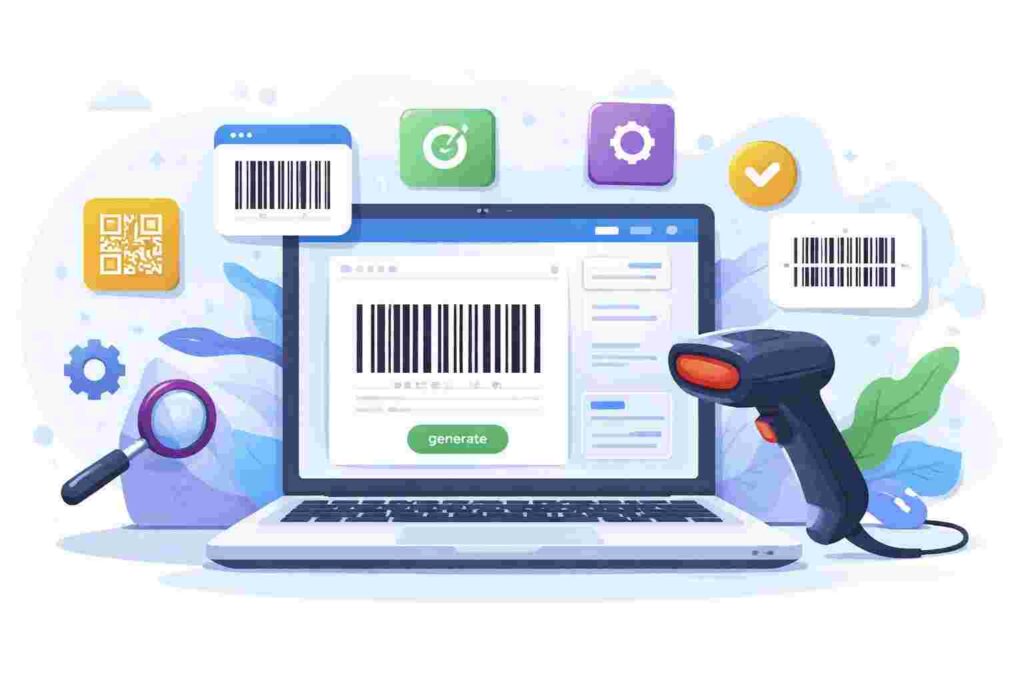
In today’s fast-paced business environment, the efficiency of operations often hinges on the ability to manage inventory, track assets, and streamline transactions. One essential technology that has transformed how businesses operate is the barcode scanner generator. These tools not only facilitate quick data capture but also enhance accuracy, making them invaluable across various sectors. As we journey through this article, we will explore not only the fundamental workings of barcode scanner generators but also the profound impact they have across multiple industries.
Table of Contents
Understanding Barcode Scanner Generators
Before diving into the specifics, it’s important to establish a foundational understanding of what barcode scanner generators are and how they function. These tools are designed to create and manage barcodes, the graphical representations of data that can be scanned and interpreted by barcode scanners.
What is a Barcode Scanner Generator?
A barcode scanner generator is a software application or hardware device that facilitates the creation of barcodes. Users can input data, select the format for the barcode, and generate a scannable image that encodes the necessary information. Common barcode formats include UPC, Code 128, and QR codes. This symbiotic relationship between scanned information and physical products or digital assets enables efficient inventory management and data tracking.
Types of Barcode Formats
- UPC (Universal Product Code): Commonly used in retail for tracking items.
- QR Codes (Quick Response Codes): Known for their two-dimensional nature, allowing for more data storage.
- Code 39: Often used in various industries due to its simplicity and versatility.
- EAN (European Article Number): Used in Europe, similar to UPC but adapted for international use.
- Code 128: Preferred in shipping and packaging, due to its compactness and ability to encode alphanumeric data.
How Barcode Scanning Works
The process of barcode scanning involves several key steps. When a barcode scanner reads a barcode, it utilizes a light source to illuminate the barcode’s pattern. This light reflects back to the scanner, where sensors analyze the patterns of light and dark bands in the barcode. The encoded information is then decoded into readable data through predefined algorithms. This data can then be linked to various information systems, providing real-time data necessary for decision-making and operations.
Technical Mechanisms Behind Barcode Scanners
Understanding the technology behind barcode scanner generators requires delving into the specific mechanisms that enable these devices to function. By exploring these technical elements, businesses can better appreciate their crucial role in operational efficiency.
Types of Barcode Scanning Technologies
- Laser Scanners: Utilizing laser beams, these scanners are highly efficient for reading barcodes quickly and accurately.
- Imaging Scanners: Capable of capturing an image of the barcode, hence more versatile in terms of barcode types that can be scanned.
- 2D Scanners: These devices use advanced technology to decode two-dimensional barcodes like QR codes effectively.
- Contact Scanners: Require direct contact with the barcode, often used in environments where precision is vital.
Data Encoding and Decoding Processes
The encoding of data into a barcode involves transforming textual information into a visual format that can be scanned. Each character is represented by a series of black and white bars in varying widths, which signifies different values based on the barcode standard used. The decoding process reverses this action, converting the visual data back into usable information through a scanner’s software. Understanding this flow is vital for businesses seeking to implement or upgrade their barcode systems.
Integration with Software Systems
Barcode scanner generators are not standalone tools; they must integrate seamlessly with other software systems for maximum effectiveness. This includes linking to inventory management systems, point-of-sale (POS) systems, and enterprise resource planning (ERP) solutions. Proper integration ensures that data captured from barcode scans is automatically updated across various platforms, enhancing operational efficiency.
Evaluating Industry Impact of Barcode Scanners
Barcode scanners have revolutionized operations across many industries. From retail to healthcare, understanding their impact helps businesses identify potential areas for improvement.
Retail Management
In retail, barcode scanners streamline the checkout process, significantly reducing wait times and improving customer satisfaction. Accuracy in inventory tracking also ensures that stock levels are maintained, leading to fewer out-of-stock situations and optimized sales opportunities.
Supply Chain Optimization
Barcode scanner generators facilitate real-time tracking of products as they move through the supply chain. This visibility enhances accountability and minimizes delays, which is crucial for maintaining customer satisfaction in today’s global market.
Healthcare Applications
In healthcare, barcode scanners are used to track patient medications and ensure safety in medication administration. This technology reduces errors significantly, helping healthcare providers to provide better patient care while maintaining compliance with regulatory standards.
Inventory Control
Efficient inventory control using barcode scanners enables businesses to minimize waste and reduce carrying costs. With accurate stock levels and tracking information, businesses can make informed decisions about when to reorder stock.
Strategic Advantages of Using Barcode Scanner Generators
Implementing barcode scanner generators presents numerous strategic advantages for businesses seeking to improve their operations.
Enhancing Efficiency and Accuracy
- Reduces human error in data entry and tracking.
- Increases speed of checkouts and stock management.
- Automates previously manual processes, freeing up staff for more valuable tasks.
- Improves accuracy in inventory levels and order fulfillment.
Cost Reduction and ROI
While there may be an initial investment associated with implementing barcode scanner technology, the return on investment can be substantial. Businesses can experience significant cost savings through reduced labor costs, lower error rates, and improved inventory turnover, which translates into higher profitability over time.
Improved Customer Experience
As efficiency increases, so does the overall customer experience. Faster service, accurate orders, and accessibility to product information lead customers to feel valued, which can increase loyalty and repeat business.
Challenges and Limitations of Barcode Scanner Generators
No technology is without its challenges. Understanding the limitations of barcode scanner generators allows businesses to prepare and mitigate potential issues.
Common Technical Issues
- Scanner compatibility with various barcode types.
- Issues with barcode readability in low-light conditions.
- Hardware malfunction leading to service interruptions.
- Need for frequent software updates to maintain functionality.
Data Security Concerns
With increased reliance on technology comes increased risks. Businesses need to implement security measures to protect sensitive data captured through barcode scanners, including enacting policies regarding data access and encryption methods to prevent breaches.
Dependence on Technology
Over-reliance on barcode scanners can lead to vulnerabilities. In situations where technology fails or breaks down, businesses must have contingency plans in place to ensure operations can continue without significant disruptions.
Comparative Analysis of Top Barcode Scanner Generators
In this section, we provide a detailed comparison of seven leading barcode scanner generator tools, evaluating their features, user experiences, and pricing models.
Feature Comparison Table
| Tool | Key Features | User Experience | Pricing Model |
|---|---|---|---|
| Tool A | Multi-format support, cloud integration | Intuitive interface, fast processing | $29/month |
| Tool B | Customization options, analytics dashboard | User-friendly, comprehensive support | $25/user/year |
| Tool C | Scalability, advanced security | Efficient, customizable workflows | $499 one-time fee |
| Tool D | Real-time sync, mobile access | Flexible, easy setup | $15/month |
| Tool E | Offline capabilities, multi-language support | Reliable, good reviews | $20/user/month |
| Tool F | Free trial, robust customer service | Simple UI, positive feedback | $99 upfront cost |
| Tool G | API access, in-depth reporting | Complex but powerful | $300/year |
User Experience Insights
Feedback from users about these tools highlights important considerations. For example, Tool C has been praised for its scalability and security measures, essential for firms expecting significant growth. Meanwhile, Tool D is often recommended for small businesses due to its ease of use and affordability, allowing for efficient management even without extensive technical knowledge. Positive user reviews often reflect significant time savings and improved accuracy after implementation.
Pricing Models
When evaluating pricing, it becomes essential to consider not just the cost but the value provided by each tool. While some tools offer attractive monthly subscriptions at lower rates, others may charge a higher upfront fee but provide extensive features justifying the investment. Understanding the long-term costs versus initial outlays will help businesses in strategic budget planning.
Statistics and Market Trends in Barcode Scanning
To comprehend the evolving landscape of barcode scanning technology, examining key statistics and market trends is crucial. The insights provided here can guide businesses in making informed decisions.
Growth Rate of Barcode Technology
The barcode scanning market is projected to grow at a compound annual growth rate (CAGR) of approximately 5% over the next five years. This growth underscores the increasing reliance on barcode technology in various sectors, driven by its ability to enhance operational efficiency and accuracy.
Market Share of Leading Tools
Data indicates that the leading barcode generator tools have captured a significant portion of the market, with the top three accounting for nearly 45% of total sales. This dominance reflects their established credibility and reliability among users.
Adoption Rates Across Industries
According to recent studies, 78% of restaurants and 65% of retail businesses have adopted barcode scanning solutions. In healthcare, adoption has reached 70%, signifying the technology’s vast applicability. This broad adoption illustrates the importance of barcode scanning in enhancing operational efficiencies across diverse fields.
Real-World Case Studies of Barcode Scanner Implementation
To put theory into practice, we examine real-world case studies showcasing the measurable impact of barcode scanners on specific business operations.
Case Study 1: Retail Store Optimization
A leading retail chain implemented a barcode scanner system that integrated with their POS and inventory management. Before the implementation, they faced frequent stock discrepancies, resulting in significant lost sales opportunities. Post-implementation, they reported a 30% reduction in stock errors and a 15% increase in inventory turnover, highlighting the effectiveness of barcode technology in inventory management.
Case Study 2: Supply Chain Improvement
A manufacturing firm utilizing a barcode scanning system improved their supply chain efficiency markedly. Prior to implementation, delays and inaccuracies in tracking shipments were common. Within three months of switching to a barcode-based system, the company saw a 25% reduction in order processing times and an 18% increase in on-time deliveries.
Case Study 3: Healthcare Inventory Management
A hospital system implemented a barcode scanning solution to manage medication inventory. Previously, they struggled with tracking medications, leading to safety concerns and waste. After the implementation, medication errors decreased by 40%, and inventory waste reduced by 25%, illustrating the significant positive impact on patient safety and cost management.
Future Outlook for Barcode Scanner Generators
The future of barcode scanner generators looks promising, as technological advancements continue to shape their functionality and application.
Innovations in Barcode Scanning
Emerging technologies such as artificial intelligence (AI) and machine learning are poised to revolutionize barcode scanning. These innovations will likely lead to smarter scanning systems capable of predictive analytics, making it easier for businesses to anticipate inventory demands and enhance operational efficiencies.
Potential Market Changes
As industries increasingly adopt automated processes, the demand for barcode scanning is expected to increase. New market players are likely to emerge, offering unique features to cater to specific industry needs, leading to a more competitive environment. As a result, businesses can expect enhancements in performance, security, and user experience.
Evolving Use Cases
The use cases for barcode scanning technology are expanding beyond traditional applications. Industries such as logistics and e-commerce are beginning to employ advanced barcode solutions to streamline operations, with applications including real-time tracking, mobile scanning, and integration with IoT devices, all of which will further solidify the barcode’s role in future business operations.
Frequently Asked Questions about Barcode Scanner Generators
What are the key features of a barcode scanner generator?
Key features typically include multi-format barcode generation, user-friendly interfaces, integration capabilities with existing systems, analytics for performance tracking, and support for mobile scanning devices. Additionally, security features and the ability to create customizable barcodes are crucial aspects that enhance the tool’s usability across different sectors.
How do barcode scanners improve efficiency in businesses?
Barcode scanners significantly improve efficiency by automating data entry processes, reducing human errors associated with manual entry. They enable quick scanning, allowing for faster transactions and inventory management. This efficiency translates into a reduction in operational bottlenecks, leading to improved customer satisfaction and increased employee productivity, as staff can focus on more value-adding activities.
What industries benefit the most from barcode scanning technology?
While many industries benefit, retail, healthcare, logistics, and manufacturing are among the most notable. In retail, barcode scanning streamlines checkout and inventory processes. In healthcare, it enhances medication management and patient safety. Logistics and manufacturing benefit from improved tracking and efficiency throughout the supply chain, ultimately leading to cost savings and improved service quality.
Are there any limitations to using barcode scanners?
Yes, while barcode scanners have many advantages, there are limitations. Common challenges include technical issues such as equipment malfunctions, dependencies on technology that can lead to disruptions, and potential data security concerns if sensitive information is not adequately protected. Additionally, the initial setup costs can be a barrier for smaller businesses.
How can I choose the right barcode scanner generator for my business?
Choosing the right tool involves assessing your specific business needs, such as the type of barcode formats required, integration capabilities with existing systems, budget constraints, and required features. It’s also beneficial to consider user reviews, customer support offered by the vendor, and the flexibility of the tool to scale alongside your business.
What is the future of barcode scanning in retail?
The future of barcode scanning in retail is set to evolve with advancements in technology like AI and IoT. We can expect more accurate inventory tracking, predictive analytics for demand planning, and enhanced customer interactions through seamless transactions and personalized service driven by data insights. Retailers that adopt these innovations will likely be better positioned to meet customer expectations and operational challenges in the years to come.
Conclusion: Harnessing the Power of Barcode Scanner Generators
In conclusion, the utilization of barcode scanner generators represents a critical component in modern business operations. As we have explored throughout this article, the benefits, challenges, and trends associated with these tools can significantly influence a company’s efficiency and bottom line. By carefully selecting and implementing the right scanning solutions, businesses can streamline operations, enhance customer experience, and ultimately gain a competitive edge in their respective markets.