
Introduction
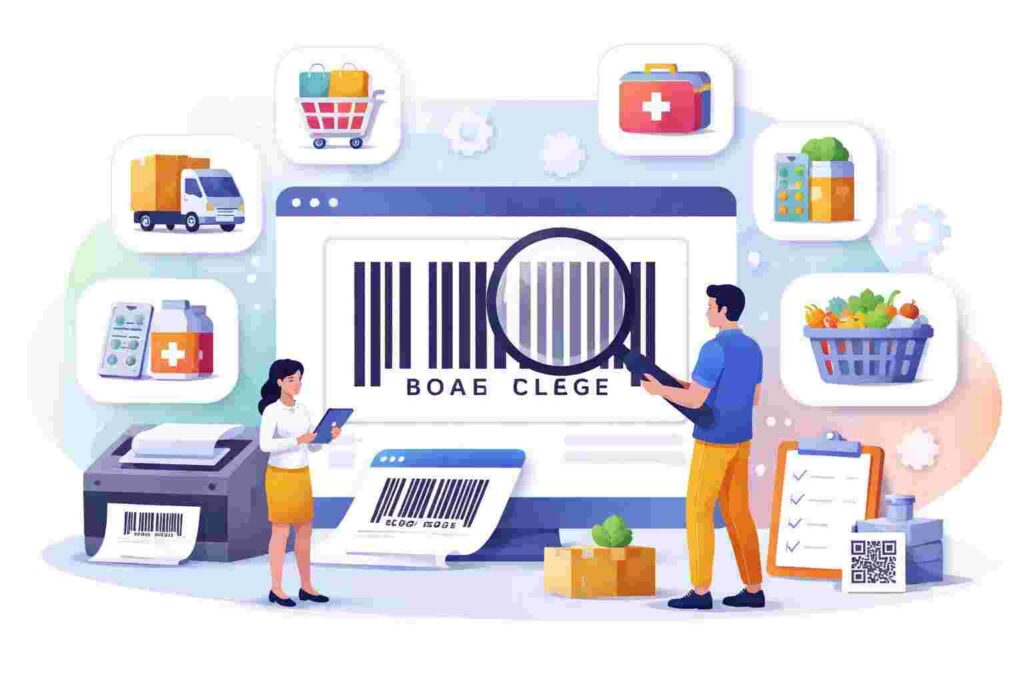
In the ever-evolving landscape of commerce and technology, the barcode creator has emerged as an essential tool across various industries. Barcodes streamline processes, enhance data accuracy, and facilitate efficient inventory management, among other benefits. Understanding their capabilities is vital for businesses seeking to improve operational efficiency and customer satisfaction.
Understanding Barcode Technology
Barcode technology serves as a foundational pillar for modern inventory and data management solutions. By converting information into visual patterns, it enables quick access to data with minimal human input.
Types of Barcodes
- 1D Barcodes (e.g., UPC, EAN)
- 2D Barcodes (e.g., QR Codes, Data Matrix)
- Stacked Barcodes (e.g., PDF417)
- Composite Barcodes (e.g., GS1 DataBar)
How Barcodes are Generated
Barcodes are generated through specialized software that converts textual information into a visual format recognizable by barcode scanners. The generator considers the required barcode type and encodes the pertinent data efficiently.
Applications in Inventory Management
- Real-time tracking of stock levels
- Streamlined order fulfillment processes
- Reduction in manual errors
- Enhanced audit and compliance tracking
The Technical Aspects of Barcode Creation
Understanding the technical aspects of barcode creation is key for businesses looking to implement these systems effectively. The technologies behind barcode creation and scanning continue to evolve, offering robust solutions.
Barcode Generation Software
Several software options are available for barcode generation, each catering to different needs. Notable selections include:
- Online Barcode Generators
- Desktop Software Programs
- Integrated Solutions for ERP systems
- Mobile Applications
Scanning Technologies Overview
Barcode scanning technologies have evolved from laser-based systems to camera-based scanning, offering increased flexibility and accuracy. Different scanning technologies include:
- Laser Scanners
- CCD Scanners
- Camera-Based Scanners
- Omnidirectional Scanners
Integration with Existing Systems
Integrating barcode technology with existing systems requires careful planning. It often involves the use of APIs, database connections, and custom software development to ensure seamless communication between systems.
Barcode Applications Across Different Industries
Barcode technology finds applications across diverse industries, revolutionizing processes and improving efficiencies.
Retail Sector Innovations
In retail, barcodes facilitate product scanning at checkout, assist in inventory tracking, and enable customer loyalty programs, resulting in smoother operations and improved customer service.
Healthcare Efficiency Improvements
In healthcare, barcodes are utilized for patient identification, medication administration, and equipment tracking, ensuring safety and reducing the risk of errors.
Logistics and Supply Chain Management
Barcode technology enhances logistics by providing real-time tracking of shipments, which improves supply chain visibility and helps companies make informed decisions. Key benefits include:
- Transport Efficiency
- Reduced Losses
- Improved Delivery Accuracy
- Enhanced Warehouse Management
Strategic Advantages of Implementing Barcode Systems
Implementing barcode systems presents a plethora of strategic advantages for businesses. The efficiencies gained from using barcode technology can drastically improve operational performance.
Cost Reduction Opportunities
Barcode systems reduce labor costs by automating data entry and inventory counts. Businesses can allocate resources more effectively, minimizing waste.
Increased Accuracy in Inventory
Barcodes significantly mitigate human errors associated with manual inventory processes, leading to greater accuracy in stock management and reporting.
Enhanced Customer Satisfaction
Faster checkout processes, efficient order fulfillment, and accurate product information boost overall customer experience, leading to repeat business and loyalty.
Limitations and Risks of Barcode Usage
Despite the numerous advantages, businesses should be cautious of certain limitations and risks associated with barcode technology.
Data Security Concerns
As with any technology, data security is a significant concern. Unauthorized access to barcode data can lead to theft and fraud, necessitating robust security protocols.
System Malfunctions
Barcode systems may face malfunctions due to hardware failures or software bugs. Regular maintenance and updates are essential to prevent operational disruptions.
Dependence on Technology
Over-reliance on barcode scanning systems might create vulnerabilities, especially in situations where technology fails or when there is inadequate training for personnel.
Comparative Analysis: Barcode vs. QR Code
Both barcodes and QR codes serve vital roles in data representation, yet they have distinct strengths and weaknesses. Understanding these differences helps businesses select the right technology for their needs.
| Feature | Barcode | QR Code |
|---|---|---|
| Storage Capacity | Limited (up to 25 characters) | High (up to 4,000 characters) |
| Scanning Technology | Requires dedicated scanners | Can be scanned with smartphones |
| Design Complexity | Simpler in design | Complex designs possible |
| Common Uses | Retail, Inventory | Marketing, Event Management |
Statistics and Market Trends in Barcode Technology
The barcode technology market is projected to reach $23 billion by 2025, reflecting a robust growth trajectory driven by increased automation and data accuracy needs across industries. In 2022, over 90% of global retail chains reported utilizing barcode systems to enhance operational efficiency.
Industry Adoption Statistics
- Over 60% of manufacturers have integrated barcode technology.
- Retailers using barcode systems see a 20% reduction in checkout time.
- Healthcare facilities reported a 30% decrease in medication errors due to barcoding.
- 70% of supply chains have adopted barcode scanning for inventory management.
Real-World Case Study: Barcode Impact on a Retail Chain
A recent study on a national retail chain that implemented barcode technology revealed profound impacts on efficiency and profitability. The store reported a 25% increase in annual revenue post-implementation.
Before and After Comparisons
- Before: Common inventory discrepancies led to stockouts.
- After: Barcode implementation decreased discrepancies by 90%.
- Before: Customers faced long wait times at checkout.
- After: Wait times decreased by 40% due to efficient scanning.
Revenue Growth Statistics
Post-implementation data indicated a 15% rise in customer loyalty due to improved service and product availability, showcasing the impact of barcode systems on overall business success.
Inventory Turnover Rates
Before adopting barcode technology, the retail chain’s inventory turnover rate was 4 times per year. After implementation, this increased to 6 times, illustrating enhanced stock management.
Future Outlook of Barcode Technology
The future of barcode technology is replete with potential developments, particularly in integrating with emerging technologies. Increased connectivity and smarter devices will further enhance barcode usage.
Integration with IoT
As the Internet of Things (IoT) expands, barcodes are set to provide real-time data from connected devices, allowing for smarter inventory management and improved supply chain visibility.
Advancements in Scanning Technology
Future advancements in scanning technology, especially around AI and machine learning, are expected to enhance scanning accuracy and speed, thereby optimizing operations further.
Predicted Market Shifts
As more sectors adopt barcoding and integration with advanced technologies becomes commonplace, significant shifts in market dynamics are anticipated, driving further growth in the barcode industry.
Frequently Asked Questions about Barcode Creators
What are the costs associated with barcode creation?
The costs of barcode creation can vary significantly based on the type of barcode, the software used, and the volume required. Typically, businesses may choose free online generators or invest in more robust commercial solutions. Licensing fees for commercial software can range from a few hundred to several thousand dollars annually, depending on the features offered. It’s essential to assess long-term needs versus immediate costs when selecting a barcode creation solution.
How scalable is barcode technology?
Barcode technology is highly scalable and can grow with a business. Whether a business is small and looking to modify or expand its inventory or a large-scale operation aiming for international distribution, barcode systems can adapt to different needs. Users can easily add new products or integrate additional features as their operation expands, ensuring continuous efficiency.
Can barcodes be used for tracking?
Yes, barcodes excel at tracking inventory, shipments, and even customer experiences in retail settings. By scanning barcodes at multiple points during the product life cycle, businesses can gather data on movements, restocking needs, and sales patterns. Such tracking systems provide critical insights that inform purchasing and operational strategies.
What industries benefit the most from barcodes?
While barcode technology is utilized in various sectors, industries such as retail, healthcare, and logistics stand to gain the most. In retail, barcodes improve checkout efficiency and inventory management. In healthcare, they enhance patient safety and medication administration. Logistics companies benefit from real-time inventory tracking, resulting in reduced costs and increased operational efficiency.
How secure is barcode data?
Barcode security largely depends on how the data is managed and the systems in place. While barcodes themselves do not contain sensitive information, the systems that associate data with barcodes must be protected against unauthorized access. Implementing encryption and access controls can mitigate security risks effectively.
What software tools are recommended for creating barcodes?
There are numerous software tools available for barcode creation. Popular choices include BarTender, NiceLabel, and online platforms like barcode.tec-it.com. Each solution caters to different needs, so businesses should evaluate factors such as usability, features, and integration capabilities. Additionally, organizations must ensure that the software supports the specific barcode types relevant to their operations.
Conclusion: The Versatility of Barcode Creators
In summary, barcode creators are versatile tools that empower various industries to optimize their operations. From enhancing efficiency and accuracy in inventory management to improving customer satisfaction, the benefits are profound. As technology continues to evolve, businesses are encouraged to adopt barcode solutions that best fit their needs, thereby unlocking their full potential.
Key Takeaways
- Barcode technology significantly streamlines operations.
- Integrating barcode systems can reduce costs and increase accuracy.
- Different industries leverage barcoding uniquely, enhancing their competitive edge.
- Future advancements promise greater integration and efficiency.
Encouragement for Adoption
Businesses that haven’t yet embraced barcode technology should explore its potential benefits actively. The investment in barcode systems creates long-term gains that far outweigh initial costs, aiding in improved productivity.
Final Thoughts on Future Potential
The potential of barcode technology is vast. As businesses continue to innovate and integrate additional technologies, the role of barcodes in enhancing efficiency and operational effectiveness will become ever more crucial in an increasingly digital world.