
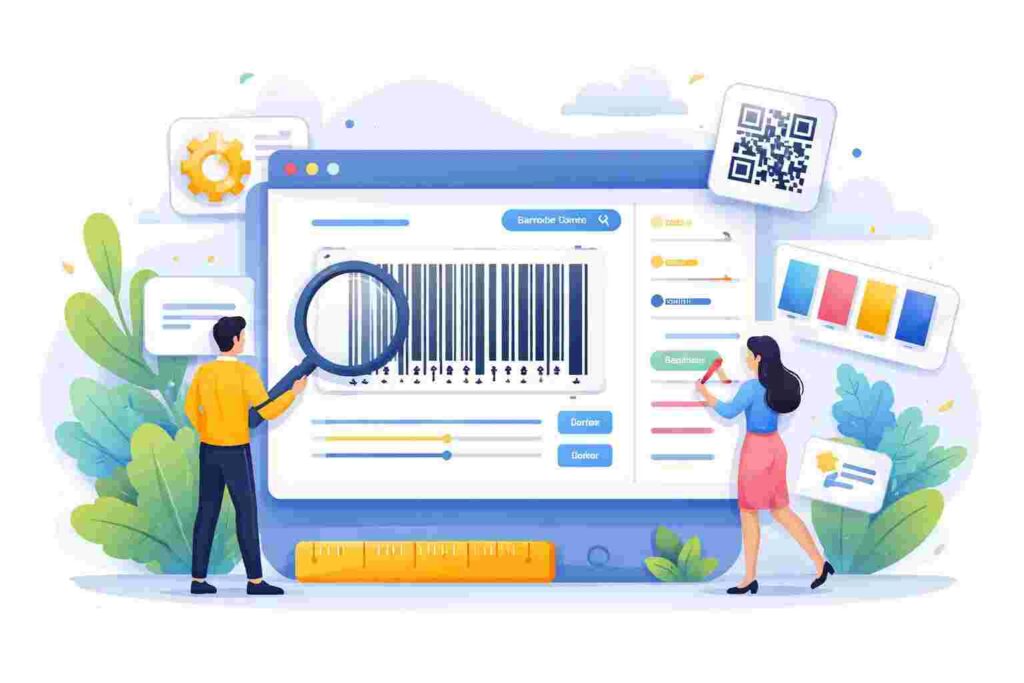
In today’s fast-paced business environment, efficiency and adaptability are paramount. One of the standout tools that help businesses achieve these goals is the barcode maker generator. This innovative technology streamlines operations by automating data entry, enhancing inventory tracking, and improving customer experience. Customization options available in barcode makers not only allow businesses to maintain brand consistency but also to tailor barcodes according to industry-specific needs. In this article, we will delve into the essential features and customization capabilities of barcode maker generators, examining their impact across various industries and highlighting key operational benefits.
Understanding Barcode Maker Generators
Before diving into the specific features and benefits of barcode maker generators, it’s essential to establish a foundational understanding of what these tools are and the role they play in modern business operations.
Definition and Purpose
A barcode maker generator is a software tool that creates barcodes, which are machine-readable codes that represent data in a visual format. These codes facilitate faster data entry and help eliminate human error in reading information. The fundamental purpose of barcode makers is to automate and simplify the tracking of products, assets, and services across various points of sale and inventory systems.
Types of Barcodes Generated
Barcode maker generators can produce various types of barcodes, each serving different functions and industries. Some common types include:
- UPC (Universal Product Code) – Primarily used in retail products for scanning at the cash register.
- QR Code (Quick Response Code) – Often employed in marketing to link to websites or digital content.
- Code 39 – Frequently used in automotive and defense industries for tracking inventory.
- EAN (European Article Number) – Similar to UPC, but used internationally for retail products.
- Data Matrix – A two-dimensional code used extensively in logistics and manufacturing.
- PDF417 – Commonly used in identification cards and transport applications.
Key Features of Barcode Generators
Understanding the key features of barcode generators is paramount for businesses looking to leverage these tools effectively. Features to consider include:
- Customizable barcode types based on the application.
- User-friendly interface for easy navigation and usage.
- Export options for various file formats, facilitating integration with other systems.
- Built-in templates for different barcode types.
- Multi-language support for global businesses.
- Real-time editing capabilities to modify barcodes on-the-fly.
Technical Aspects of Barcode Generation
To truly appreciate the benefits of barcode maker generators, one must understand the technical mechanisms that underpin them. This knowledge not only aids users in selecting the appropriate tools but also empowers them to troubleshoot any issues that may arise.
Encoding Methods
Barcode generators employ various encoding methods to convert data into a format that can be translated into visual barcodes. Common encoding methods include:
- Numeric encoding for simple numeric sequences.
- Alphanumeric encoding for combinations of letters and numbers.
- Binary encoding that represents data in binary format, often used for complex datasets.
- URL encoding for creating barcodes that link to specific web addresses.
Software and Tools Used
Barcode generation software ranges from simple web-based applications to complex desktop systems. The choice of tools depends on the volume of barcodes required and the specific needs of the business. Some popular barcode software solutions include:
- BarTender – An advanced solution for label design and barcode generation.
- NiceLabel – Offers features for barcode validation and operational efficiency.
- Labelary – A free online barcode generator for basic requirements.
- Zint Barcode Studio – An open-source tool with support for various barcode types.
Integrating with Existing Systems
Successful implementation of barcode maker generators hinges on their ability to integrate with existing inventory and point-of-sale systems. Many barcode tools offer APIs and third-party integration capabilities, making it easier for businesses to streamline operations. Integration results in:
- Enhanced data accuracy in tracking inventory.
- Improved workflow efficiency in order processing.
- Real-time inventory updates across systems.
- Seamless communication between different departments.
Customization Features of Barcode Generators
Customization is a crucial aspect of barcode generation, allowing businesses to reflect their unique branding and operational requirements. Let’s explore some of the smart customization features available in barcode generators.
Size and Dimensions
The size of a barcode can significantly impact its usability and scanning efficiency. Barcode maker generators allow users to adjust the size and dimensions of the barcodes based on the specific application. Key considerations include:
- Print size based on the intended use environment (e.g., small labels vs. large signage).
- Compliance with industry standards for barcode sizes.
- Aspect ratios that maintain scannability.
- Margin space to ensure clarity and prevent errors during scanning.
Colors and Fonts
While traditional barcodes are typically black and white, modern barcode generators enable users to customize colors and fonts, enhancing brand visibility and recognition. Important factors to consider include:
- Contrast ratios to ensure readability by scanners.
- Brand colors to maintain consistency across products.
- Use of fonts that are legible and compatible with barcode reading devices.
- Testing barcode readability post-customization to avoid scanning issues.
Advanced Data Options
Many barcode maker generators offer advanced data options, allowing users to encode a variety of information types within a single barcode. These options significantly improve the functionality of barcodes. Some data options include:
- Embedding URLs for direct access to websites or promotional content.
- Storing multiple data fields such as SKU numbers, prices, and descriptions.
- Incorporating RFID technology for enhanced tracking capabilities.
- Options for static vs. dynamic data encoding.
Impact on Various Industries
The utility of barcode maker generators transcends industries, showcasing their vital role in enhancing operational efficiency. Let’s examine how specific sectors leverage barcode technology.
Retail
In the retail industry, barcode makers streamline checkout processes, manage inventory, and enhance customer experience. The implementation of barcode technology has led to:
- Faster transactions at point-of-sale systems.
- Reduced labor costs through automated inventory tracking.
- Improved data accuracy in pricing and stock management.
Logistics
Logistics companies rely heavily on barcode generators to maintain visibility throughout the supply chain. The advantages experienced include:
- Real-time tracking of shipments from origin to destination.
- Reduced misplacement of items leading to cost savings.
- Enhancements in order accuracy and fulfillment speed.
Healthcare
In healthcare, barcode technology plays a crucial role in patient safety and inventory management. The implementation of barcode makers in this sector has resulted in:
- Improved medication administration accuracy.
- Efficient tracking of medical supplies and equipment.
- Enhanced patient identification processes to reduce errors.
Strategic Advantages of Using a Barcode Maker Generator
Adopting a barcode maker generator can provide numerous strategic advantages, positioning businesses for long-term success and stability in competitive markets. Some notable benefits include:
Cost Efficiency
The initial investment in barcode maker technology can lead to significant long-term savings. Automating data entry and inventory processes reduces labor costs and minimizes human error. A study indicated that companies implementing barcode technology can save up to 30% on inventory management costs through improved accuracy and efficiency.
Error Reduction
Barcode systems drastically reduce manual entry errors, which are prevalent in traditional inventory tracking methods. By utilizing barcode generators, businesses can experience a notable decrease in discrepancies, leading to enhanced reliability in accounting and stocktaking.
Improved Inventory Management
With barcode makers, businesses can monitor inventory in real-time, facilitating better stock control and replenishing processes. This continual visibility helps in avoiding stockouts and overstock situations, thereby enhancing cash flow management and operational effectiveness.
Limitations and Risks of Barcode Generators
Despite the advantages, businesses must be aware of the limitations and risks associated with barcode maker generators. Understanding these challenges is vital for effective implementation and management.
Data Privacy Concerns
As with any automated system, barcode technology can pose data privacy risks, particularly if sensitive information is encoded within barcodes. Businesses need to ensure adequate security measures are in place to protect consumer data and comply with regulations like GDPR.
Implementation Challenges
Integrating barcode systems into existing operations may lead to challenges. Businesses might face issues with employee training, system compatibility, and initial setup costs. A thorough impact analysis prior to implementation can help alleviate potential roadblocks.
Dependence on Technology
Businesses may develop a dependency on barcode technology and become vulnerable to system failures or downtime. Contingency plans should be in place to ensure operations can continue smoothly in case of technical difficulties.
Comparative Analysis of Barcode Generators
With various barcode generators available on the market, conducting a comparative analysis can help businesses find the tool that best fits their needs. Below is a comparison table based on key criteria to assist in making an informed decision.
| Generator Name | Cost | Key Features | User Rating |
|---|---|---|---|
| BarTender | $$$ | Advanced design templates, multi-language, cloud integration | 4.5/5 |
| NiceLabel | $$$ | Label validation, dynamic data integration, QR code generation | 4.3/5 |
| Labelary | $ | Simple usage, basic barcode types, free access | 4.0/5 |
| Zint Barcode Studio | Free | Open-source, customizable, supports multiple barcode formats | 4.2/5 |
Statistics and Market Trends in Barcode Technology
The barcode technology market shows a promising trajectory, with several statistics illustrating its growth and acceptance across various sectors.
Market Growth Projections
According to a recent report, the global barcode scanner market is projected to reach $5 billion by 2027, growing at a CAGR of 9.5%. This growth is attributed to increased consumer demand for efficiency in retail and logistics.
Adoption Rates by Industry
Adoption rates for barcode technology vary by industry, with retail seeing approximately 85% adoption, followed by logistics at around 75%. Healthcare lags slightly behind but is steadily approaching a 70% adoption rate as organizations recognize the value of tracking and accuracy.
User Demographics
The demographic of barcode users encompasses various business sizes, from startups to large enterprises. Surveys reveal that nearly 60% of small businesses are now utilizing barcode technology to enhance inventory management, an increase from 45% just two years ago.
Real-World Success Stories
To further illustrate the effectiveness of barcode maker generators, let’s explore specific case studies that demonstrate tangible, measurable success after implementation.
Retail Case Study: Increased Efficiency
A prominent retail chain implemented barcode technology, resulting in a 40% decrease in checkout times. Customer satisfaction levels rose significantly, with positive feedback highlighting the efficiency of transactions.
Logistics Case Study: Cost Reduction
One logistics firm adopted barcode generators across its distribution network, achieving an impressive 25% reduction in order fulfillment costs within the first year. The improved accuracy in tracking shipments allowed the company to optimize its supply chain operations.
Healthcare Case Study: Error Minimization
In the healthcare sector, a local hospital integrated barcode technology for medication administration, leading to a drastic 50% reduction in medication errors. This implementation not only improved patient safety but also gained the trust of the community.
The Future of Barcode Makers
As technology continues to evolve, barcode makers are poised for significant advancements. Here’s a look at some anticipated future trends.
Emerging Technologies
Emerging technologies such as augmented reality (AR) and artificial intelligence (AI) are expected to enhance barcode functionality, integrating real-time data and analytics into barcode systems.
Integration with IoT
The Internet of Things (IoT) will further revolutionize barcode technology. As more devices get connected, the ability for barcodes to communicate with smart systems will enable businesses to gain deeper insights into operational efficiency.
Predictions for Market Evolution
Market analysts predict that the next five years will witness the introduction of advanced multifaceted barcodes capable of storing more complex data sets. This evolution is expected to drive further adoption across industries.
Frequently Asked Questions about Barcode Makers
As barcode maker technology becomes more prevalent, many professionals have common queries. Below are some frequently asked questions with thorough answers.
What is the cost of a barcode maker generator?
The cost of barcode maker generators varies significantly based on features and functionalities. Basic online generators can be free, while advanced software may range from $200 to several thousand dollars for enterprise-level solutions. Businesses should evaluate their needs to determine the best option for their budget.
How to choose the right barcode generator?
Selecting the right barcode generator involves considering your specific requirements. Assess the types of barcodes needed, the volume of usage, and the necessary integration with existing systems. It’s also wise to review user ratings and expert recommendations to find a reliable solution.
Can barcode generators integrate with existing inventory systems?
Yes, most modern barcode generators offer integration capabilities with prevalent inventory systems. They typically provide API support or plugins to facilitate seamless data synchronization, ensuring businesses can maintain accurate inventory levels without manual entry.
What types of barcodes can be created?
Barcode makers can create a diverse range of barcodes, including 1D barcodes like UPC and EAN, as well as 2D codes such as QR codes and Data Matrix codes. The specific type of barcode chosen can depend on application requirements and scanning technology.
Are there any subscription fees involved?
While some barcode generators are available with a one-time purchase model, others may operate on a subscription basis, charging monthly or yearly fees. It’s essential to investigate the pricing model of the barcode generator you choose to understand any ongoing costs.
How secure is the information encoded in barcodes?
The security of data encoded in barcodes largely depends on the underlying system and compliance with data protection measures. While barcodes themselves often do not store sensitive data, businesses should ensure that any integrated systems handling this information implement robust security protocols to protect against breaches.
Conclusion
In summary, barcode maker generators are indispensable tools for businesses looking to enhance efficiency, reduce errors, and maintain competitiveness in the market. The customization features available allow businesses to tailor barcodes to meet their specific needs, ensuring that the generated codes align with branding and operational requirements. As technology continues to evolve, the potential for barcode systems will only increase, further solidifying their critical role in various industries. For businesses considering adopting this innovative technology, the time to act is now. Embrace the advantages of barcode maker generators and propel your operations to new heights.
Recap of Customization Features
We explored various customization options such as size, colors, and advanced data capabilities that businesses can leverage to create effective barcodes tailored to their needs. These features are essential for enhancing both functionality and brand visibility.
Final Recommendations
When selecting a barcode maker generator, consider your specific industry requirements, the volume of barcodes to be produced, and integration capabilities with your existing systems. Thoroughly evaluate options to make an informed choice that supports your business objectives.
Call to Action
Are you ready to enhance your business operations with effective barcode maker generators? Explore our recommended solutions today and take the first step toward streamlined efficiency and superior customer satisfaction.