
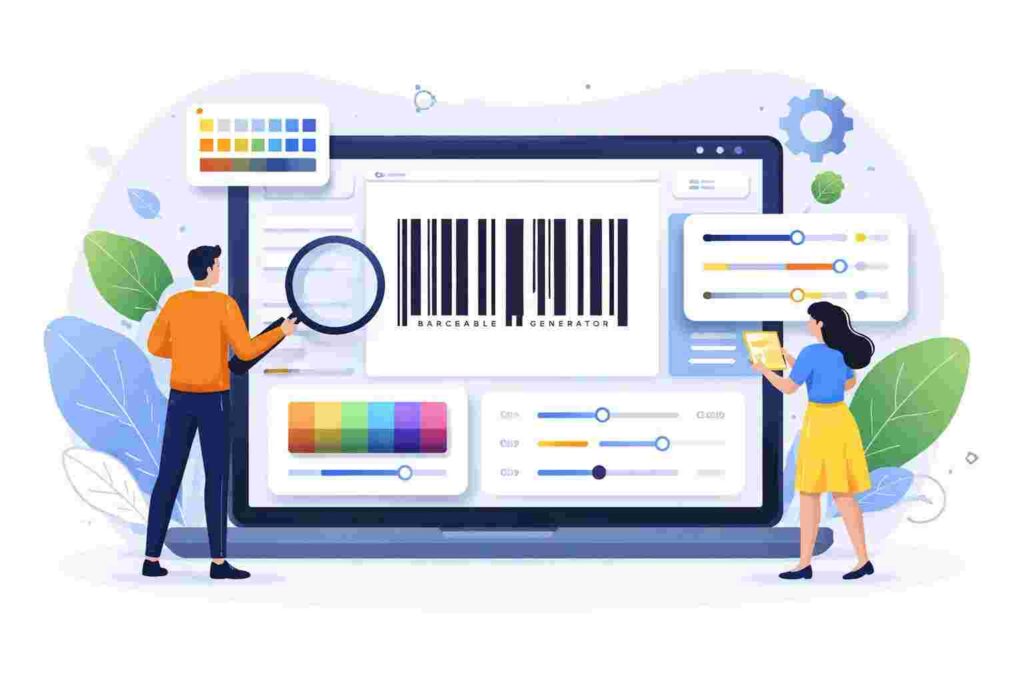
In today’s fast-paced business environment, having efficient inventory management and branding strategies are essential for success. One of the most critical components of these strategies is the use of a barcode generator customizable to tailor barcodes for specific needs. This article explores the significance of customizable barcode generators, their functionalities, and how they can improve operational efficiency in various industries.
Understanding Customizable Barcode Generators
Customizable barcode generators are specialized software or tools that allow businesses to create barcodes tailored to their needs. These generators provide a range of functionalities that empower users to design barcodes with specific data, dimensions, and aesthetics.
Definition of Barcode Generators
Barcode generators are technologies that create barcodes representing numerical and alphanumeric data in a visual format. These codes are scanned using barcode readers, which translate them back into the original data for quick identification and processing. Customizable versions enable users to adjust various parameters to suit branding efforts and product specifications.
Types of Customization Available
- Size: Users can set the height and width dimensions of the barcode.
- Color: Choose colors for different barcode elements, allowing integration with brand colors.
- Fonts: Some generators allow customization of text fonts associated with barcodes.
- Graphics: Users can add logos or icons to enhance branding.
- Formats: Various output formats such as PNG, JPEG, and vector images are often available.
Basic Functionality and Use Cases
Basic functionalities of barcode generators include encoding data, choosing barcode types (like QR codes or traditional barcode formats), and allowing modifications to design elements. Use cases range from retail management, where barcodes manage inventory, to healthcare settings, where they track patient records and medical supplies.
The Technology Behind Barcode Generation
Understanding the technology that powers barcode generation provides insights into its effectiveness in real-world applications. Various algorithms and encoding techniques come together to ensure that barcodes serve their intended purpose reliably.
How Barcode Algorithms Work
Barcode algorithms translate data into a line or pattern of bars and spaces. These algorithms consider factors like the type of data being encoded, the chosen barcode format, and the printing characteristics of the barcode. Each barcode standard has specific rules dictating how the data is represented in its unique linear or two-dimensional form.
Data Encoding Techniques
- Numeric Encoding: Converts only numbers into barcodes.
- Alphanumeric Encoding: A combination of letters and numbers.
- Binary Encoding: Converts data into a binary format that barcodes can read.
- ASCII Encoding: Allows encoding of any text character into a barcode.
- Custom Encoding: Users can define specific encoding schemes for specialized applications.
Integration with Other Systems
Modern customizable barcode generators can integrate seamlessly with other systems like inventory management software, supply chain solutions, and point-of-sale (POS) systems, enhancing accuracy and speeding up data entry processes across various platforms.
Industry Applications and Business Impact
The flexibility and customizability of barcode generators significantly impact several industries, enhancing operational efficiency and brand identity.
Retail Sector
In retail, customizable barcodes streamline inventory management processes. Effective use can lead to quicker checkouts and accurate stock tracking, directly impacting profitability. Retailers can also brand their products with custom barcodes that include logos or unique designs.
Manufacturing Industry
- Streamlined operations through precise tracking of components and products.
- Reduced error rates with automated barcode scanning in production lines.
- Improved safety with easy tracking of compliance documents.
- Enhancement in supply chain efficiencies through real-time data visibility.
- Better inventory audits resulting in decreased holding costs.
Healthcare Applications
Healthcare facilities utilize customizable barcodes for patient identification, medication tracking, and equipment management. This increases safety, lowers the chances of errors in medication dispensing, and enhances overall patient care quality.
Strategic Advantages of Customizable Barcodes
Businesses that implement customizable barcodes stand to gain unique advantages that augment their operational strategies and improve customer experiences.
Improved Branding Opportunities
Customizable barcodes allow businesses to reinforce their brand identity. Incorporating logos and brand colors in barcodes fosters brand recognition and differentiation regardless of where the product is displayed.
Enhanced Inventory Management
- Real-time inventory updates leading to accurate stock levels.
- Faster retrieval and organization of products during audits.
- Integration with automated ordering systems to minimize stockouts.
- Reduction in manual entry errors due to barcode-based tracking.
- Efficient handling of returns and exchanges through barcode logistics.
Increased Customer Satisfaction
When businesses adopt customizable barcodes effectively, customers experience faster service and fewer errors in their transactions. Streamlining processes leads to a smoother interaction with the business, resulting in higher satisfaction and increased customer loyalty.
Limitations and Risk Considerations
While there are numerous benefits to using customizable barcode generators, businesses should also recognize potential limitations and risks associated with their implementation.
Cost Implications
Customizable barcode generators can be expensive, particularly for small businesses. This includes costs for software solutions, hardware for scanning, and ongoing maintenance. Companies must weigh these initial and operational costs against the potential returns.
Dependence on Technology
- Reliance on barcode scanning technologies may lead to vulnerabilities if systems fail.
- Human errors may occur during data entry if not properly managed.
- Security of the data represented in barcodes, particularly in sensitive industries like healthcare, must be prioritized.
- Regular updates and training on barcode systems are necessary to prevent workflow disruptions.
- Risk of technology becoming obsolete or unsupported can threaten operations.
Potential for Incorrect Scanning
Improperly printed barcodes or damaged codes can lead to incorrect scanning, resulting in inventory errors and customer dissatisfaction. Businesses should implement quality control measures to prevent these issues and ensure barcode readability.
Comparative Analysis of Barcode Generators
Various barcode generators exist in the market, differing in functionality and features. To help businesses make informed decisions, the following table compares key attributes.
| Feature | Generator A | Generator B | Generator C |
|---|---|---|---|
| Cost | $49/month | $100 one-time | $20/month |
| Customization Options | Limited | Extensive | Moderate |
| Integration | POS only | Multi-system compatible | Basic API |
| Types of Barcodes Supported | Standard Only | All Types | Standard & QR |
| User Ratings | 4.2/5 | 4.8/5 | 3.9/5 |
Performance Metrics
Performance metrics, such as scanning speed, accuracy, and user satisfaction, vary between barcode generators. Most businesses should focus on generators that provide faster scanning capabilities and high accuracy rates to minimize errors in their operations while ensuring high user satisfaction.
User Experience Insights
User experience can significantly influence the effectiveness of a barcode generator. Those with intuitive interfaces and comprehensive support options allow for smoother adoption and operational efficiency. Surveys and reviews can provide insights into user satisfaction and common pain points.
Statistics and Market Trends in Barcode Technology
To grasp the relevance of barcode generators in modern businesses, it’s essential to understand current market trends and statistics backing their utilization.
Market Growth Rates
The barcode technology market is expected to grow significantly, with a projected CAGR of 5.4% from 2020 to 2025. This growth is attributed to increasing demand in sectors such as retail, healthcare, and logistics.
Adoption Rates in Various Industries
- Retail: 85% of retailers now utilize barcode systems to manage inventory.
- Healthcare: 80% of hospitals have implemented barcoding technology for patient safety.
- Logistics: 70% of logistics companies use barcodes for tracking shipments.
- Manufacturing: 75% have integrated barcoding in their production processes.
- Food Industry: 60% of food businesses have begun implementing barcode solutions.
Future Projections with Numeric Data
By 2030, the barcode scanning and printing market is expected to surpass $37 billion, further underscoring the growing significance of these tools in operational methodologies for various industries. This market expansion will likely lead to more sophisticated barcode functionalities and innovative tracking solutions.
Real-World Case Studies of Success
To understand the tangible benefits derived from customized barcode generators, here are notable case studies showcasing their successful implementation.
Case Study in Retail
A prominent retail chain implemented a customizable barcode generator to redesign its inventory system. Before the adoption, mismanagement led to a 25% discrepancy in stock levels. After implementation, the discrepancy dropped below 5%, improving profitability and allowing for better customer service.
Case Study in Logistics
A logistics company faced significant tracking challenges with parcels leading to an increased operational cost of 15%. By utilizing customizable barcodes tailored for their shipping processes, they improved tracking accuracy by 30% and decreased shipping errors, resulting in a 10% reduction in operational expenses.
Case Study in Healthcare
A hospital adopted customizable barcodes for patient records and medication tracking. Previously, the error rate in medication administration was 12%. Post-implementation, this error rate was reduced to just below 2%, enhancing overall patient safety and satisfaction.
Future Outlook for Barcode Generation Technologies
Looking ahead, barcode generation technologies are poised for exciting innovations that promise to redefine their application in various industries.
Emerging Technologies
Emerging technologies, including the advent of augmented reality and advanced data analytics, are expected to enhance barcode functionalities. Anticipated developments may allow for real-time data analysis and user interaction, significantly optimizing customer experiences.
Expected Industry Changes
- Increased focus on cybersecurity measures to protect encoded information.
- Greater adoption of mobile scanning technologies.
- Integration of AI for enhanced data processing and accuracy.
- Shifts towards sustainable printing solutions as environmental concerns rise.
- Growing importance of interoperability among different generational technologies.
Potential Advantages of Future Solutions
Future barcode generation solutions may include improved speed and accuracy, the ability to support larger datasets, and greater customization capabilities, all of which can improve efficiency across various applications.
Frequently Asked Questions
What is a customizable barcode generator?
A customizable barcode generator is a software tool that allows users to create barcodes tailored to meet specific requirements. Users can modify size, format, color, and even add custom graphics to align with branding efforts. This adaptability is crucial for businesses needing to maintain identity while ensuring functionality.
How does customization work?
Customization in barcode generators typically works through user-friendly interfaces where users can input specific design parameters. These parameters can include color, barcode type, and dimensions. Many generators provide templates and examples that assist users in creating functional and appealing barcodes easily.
What industries benefit the most?
Industries that benefit significantly include retail, manufacturing, warehousing, logistics, and healthcare. Each of these sectors utilizes barcodes for different purposes, such as managing inventory, tracking shipments, ensuring patient safety, and streamlining production processes. The versatility of customizable barcodes makes them an essential tool across various applications.
Are there risks involved?
Yes, potential risks include implementation costs, operational dependencies on technology, and chances for scanning errors due to barcode damage or poor printing quality. Companies should assess these risks carefully and implement strategies such as backup systems and quality control measures to mitigate them.
How to choose the right generator?
Choosing the right barcode generator involves evaluating the specific needs of your business. Consider factors such as the ease of use, available customization options, integration capabilities, and pricing. Reading user reviews and conducting trials can provide additional insight into the best solution for your needs.
What are future trends in barcode technology?
Future trends indicate further advancements in barcode technology towards automation, integration with IoT devices, and enhanced security features. As technology evolves, businesses can expect barcodes to become increasingly sophisticated, particularly concerning data tracking and analytical capabilities.
Conclusion
In conclusion, customizable barcode generators offer significant advantages to businesses across various sectors. Their ability to improve operational efficiency, enhance branding opportunities, and reduce error rates makes them invaluable assets in today’s competitive landscape. As technology continues to evolve, embracing these advanced solutions will be crucial for companies striving for success and efficiency in their operations.