
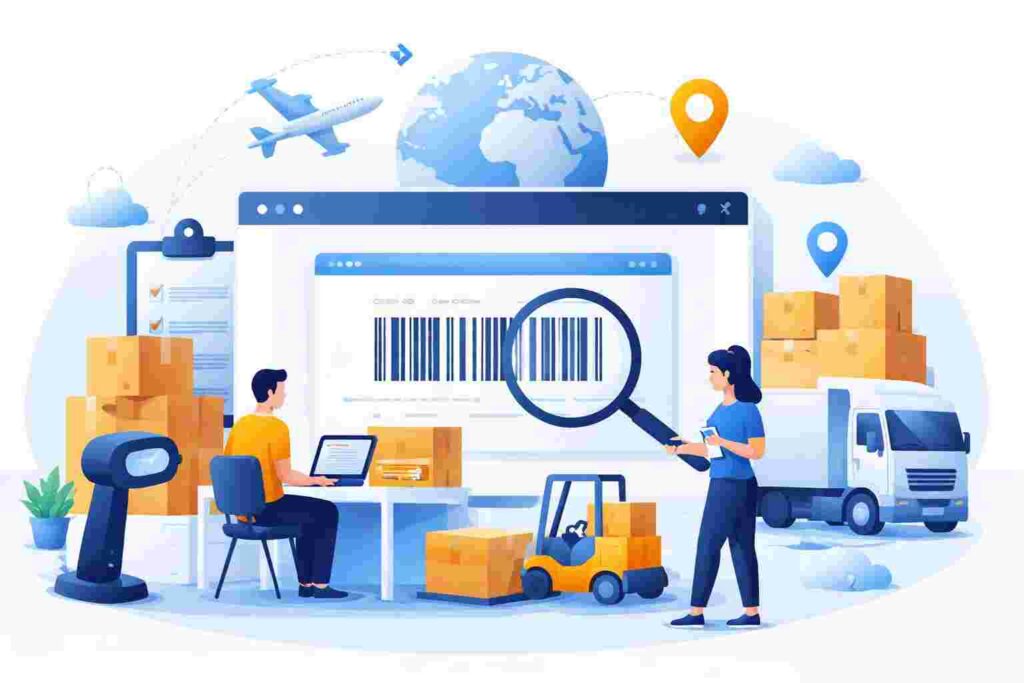
In today’s fast-paced and technology-driven world, barcode generators play an essential role in streamlining logistics and supply chain management. These generators enable businesses to create unique barcodes that facilitate efficient inventory tracking, enhance product management, and improve order fulfillment processes. This article will delve into the foundational principles of barcode generator logistics, exploring its applications across various sectors and examining the significant impacts it has on operational efficiency.
Understanding Barcode Generators in Logistics
To grasp the full impact of barcode generators, it’s important to comprehend their fundamental principles and their relevance within the logistics framework. This section will explain the basics of barcode generation and its critical role in the logistics sector.
What is a Barcode Generator?
A barcode generator is a software application or online tool that creates graphical representations of data in a machine-readable format. These barcodes can be scanned by special devices to retrieve corresponding information, significantly simplifying the process of data entry and retrieval in various logistical operations. By automating data capture, businesses can reduce human errors and improve the accuracy of inventory systems.
Types of Barcodes Used in Logistics
- 1D Barcodes: These are traditional barcodes made up of horizontal lines that represent numeric data.
- 2D Barcodes: QR codes fall into this category, allowing the encoding of larger datasets such as URLs, text, or other information.
- PDF417 Codes: Utilized for more extensive data, suitable for shipping and identification purposes.
- Data Matrix: Commonly used in packaging and labeling for products, facilitating easy scanning.
- GS1 DataBar: Primarily used in fresh and perishable goods, they enable additional information to be encoded.
The Technology Behind Barcode Generation
Barcode generation technology relies on algorithms that convert alphanumeric data into a series of black and white parallel lines (1D) or squares (2D). The choice of technology often depends on specific logistical needs, including the type of data to be encoded and the scanning equipment’s capabilities. Understanding the technological foundation can help businesses select the optimal barcode system for their operations.
The Mechanism of Barcode Integration in Supply Chain Management
The successful integration of barcode generators within existing logistics systems requires a technical understanding of how these tools interact with various programs used in supply chain management. Here we will explore the mechanics behind barcode generation integration.
Connecting Barcodes to Inventory Management Systems
Barcode systems can be seamlessly connected to inventory management software, allowing for real-time updates whenever products are scanned. This connection helps businesses maintain accurate stock levels, forecast inventory needs, and reduce overstock scenarios. By utilizing barcode scanners integrated with inventory software, companies can notice a marked improvement in the speed of data entry and retrieval.
Real-time Tracking and Data Capture
With the implementation of barcode technology, logistics operations benefit from real-time data flow. Each product with a barcode can be tracked at every stage of the supply chain — from manufacturing through delivery. The asynchronous integration of barcode generators into existing tracking systems enables immediate access to product movement and inventory status, thus enhancing operational efficiency.
Barcode Scanning Technology
Barcode scanning technologies have evolved tremendously, with various options available to businesses today. Laser scanners, image-based scanners, and smartphone applications all facilitate the quick and accurate capture of barcode data. Selecting the right type of scanner often depends on the specific work environment and the types of barcodes in use.
Driving Efficiency Across Industries
Barcode generators have a profound influence on numerous industries that predominantly rely on logistics. Below, we will highlight specific cases where barcode technology has driven efficiency and innovation.
Retail Supply Chains
The retail sector heavily depends on efficient supply chain management. barcodes streamline the entire process, from inventory tracking to point-of-sale transactions. Retail companies experience improved inventory turnover rates and drastically lower stock discrepancies due to the precision brought by barcode systems.
Manufacturing and Production
In manufacturing, barcode generators allow for enhanced monitoring of raw materials and products on the assembly line. By utilizing barcode scanners to track parts and finished goods, manufacturers can reduce production delays while improving quality control measures. The implementation of barcodes reduces waste and improves overall production efficiency.
E-commerce Logistics
The e-commerce industry benefits immensely from barcode technologies, as they allow for efficient handling and fulfillment of orders. The ability to quickly scan items ensures that the right products reach customers, thereby improving customer satisfaction and reducing return rates. As consumer expectations rise, robust barcode solutions become indispensable for managing logistics efficiently.
Strategic Advantages of Adopting Barcode Solutions
Embracing barcode generators in logistics isn’t just about technology; it also provides strategic advantages that can improve operational capabilities and ultimately lead to increased profitability.
Cost Reduction and Resource Optimization
Barcode systems minimize the need for manual data entry, thus significantly reducing labor costs while optimizing resources. By streamlining processes, businesses can allocate labor to more critical tasks, leading to a more efficient workforce and lower operational expenses.
Improved Accuracy and Reduced Error Rates
- Reduction in manual entry errors
- Improved inventory accuracy
- Lower likelihood of shipping mistakes
- Enhancements in order fulfillment precision
- Closer alignment between inventory and sales
Enhanced Customer Satisfaction through Transparency
Customers today expect not only quick fulfillment but also transparency regarding the status of their orders. Barcode systems allow businesses to provide detailed tracking information, enhancing the customer experience. Customers feel more in control when they can see the live status of their orders, thus increasing their loyalty towards brands employing such systems.
Limitations and Risk Considerations in Barcode Utilization
While barcode systems provide a host of benefits, they do come with certain limitations and risks. Understanding these potential pitfalls is vital for effective implementation.
Dependence on Technology and Skills
The reliance on technology means that businesses must invest in the right training and maintain staff proficient in using barcode systems. Should a technical failure occur, it may hinder operational efficiency. Additionally, a lack of user knowledge can lead to improper scanning technique, affecting data accuracy.
System Integration Challenges
Integrating barcode solutions into existing systems can present challenges, particularly if the current software is outdated or incompatible. It’s essential for businesses to conduct thorough assessments before implementing new barcode systems to ensure compatibility with founder software.
Risks of Fraud and Misuse
While barcodes improve security, they are not immune to fraud. Counterfeit products can be labeled with fake barcodes, posing risks to legitimate businesses and consumers. Companies must ensure that their barcode systems are robust enough to prevent such occurrences and protect their supply chains effectively.
Comparative Evaluation of Barcode Systems
Not all barcode systems are created equal. This section evaluates various options available to businesses, helping them make informed decisions based on their unique needs.
Barcode vs. QR Code Systems
While traditional barcode systems are predominantly linear and encode fewer data, QR codes hold the capacity to store information which can be beneficial for e-commerce and marketing purposes. Choosing between these two depends on the specific requirements of storage capability, scanning technology, and the intended use of the encoded data.
Cloud-based vs. Local Solutions
Cloud-based barcode generators provide the advantage of accessibility from anywhere, while local solutions can be more efficient for businesses with significantly large datasets that require rapid processing. Each option comes with its own set of strengths and weaknesses, affecting operational speed and cost efficiency.
Cost-Effectiveness Analysis Table
| System | Initial Setup Cost | Maintenance Cost | Scalability | Speed of Data Processing |
|---|---|---|---|---|
| Traditional Barcode System | $1,000 | $100/month | Low | High |
| QR Code System | $500 | $50/month | Medium | Medium |
| Cloud-based System | $2,000 | $80/month | High | Very High |
| Local Solution | $1,500 | $150/month | Medium | Medium |
Statistics and Market Trends in Barcode Logistics
Recent studies indicate a remarkable growth trajectory for barcode systems in logistics. The global barcode printer market is projected to reach $3.7 billion by 2026, showcasing the increasing reliance on barcode technology. Businesses are realizing the efficiency benefits, contributing to an annual growth rate of 4.5% in the adoption of barcode systems across various industries.
Market Growth Projections
The barcode technology sector continues to experience significant growth as organizations seek to enhance their operations. The global market is on pace to witness substantial growth, with experts projecting a CAGR of approximately 5.1% over the next five years.
Adoption Rates by Industry
- Retail: 65% adoption rate
- Manufacturing: 55% adoption rate
- Healthcare: 50% adoption rate
- E-commerce: 70% adoption rate
- Transportation and Logistics: 60% adoption rate
Impact of Barcodes on Supply Chain Efficiency (with numeric data)
Organizations that have adopted barcode technology report significant improvements in efficiency. For instance, a leading retail chain experienced a reduction in inventory error rates by 30% post-implementation of barcode systems, which translates to a saving of approximately $1 million annually due to reduced labor costs and enhanced accuracy in inventory management.
Real-World Success Stories: Case Studies in Barcode Integration
Understanding real-world applications of barcode systems can provide valuable insights into the tangible benefits these technologies offer. Below, we explore success stories from various industries.
Case Study: Retail Chain Implementation
A major retail chain faced challenges in inventory management and stock accuracy. By implementing barcode systems, they achieved a 40% reduction in stock discrepancies. This increased efficiency led to a boost in customer satisfaction, with a subsequent rise of 15% in customer loyalty as a result of improved service reliability.
Case Study: Warehouse Operations Improvement
A logistics company with extensive warehousing operations implemented a comprehensive barcode system to track their inventory accurately. Before the implementation, their error margin was around 20%. Post-integration, this margin decreased to just 5%, leading to faster order processing times and better resource utilization across their warehouses.
Case Study: E-commerce Efficiency Gains
In the e-commerce sector, a prominent online retailer adopted barcode technology to streamline their order fulfillment process. They noted a 25% increase in order accuracy and a significant reduction in processing time, resulting in a 20% increase in sales. This success showcased the direct relationship between barcode implementation and enhanced business performance.
Future Outlook on Barcode Technology in Logistics
The evolution of barcode technology is constant, with several emerging trends and advancements on the horizon. This section speculates on what the future holds for barcode solutions in logistics.
Emerging Technologies in Barcode Generation
The future of barcode generation is set to be revolutionized by developments in artificial intelligence and machine learning. These technologies will enhance the accuracy of data interpretation and allow businesses to predict trends and consumer preferences based on historical data. As the connection between supply chain systems becomes increasingly integrated, these tools will become indispensable.
Trends in AI and Machine Learning Integration
AI holds the potential to transform how businesses utilize barcode data. Predictive analytics could enable companies to determine when to replenish stock or how to optimize their supply chains based on demand forecasts. As AI integration progresses, the accuracy and speed of logistics operations will improve dynamically.
Predictions for The Next Decade
Looking ahead, the next decade may see the full integration of RFID technology with barcode systems, creating a hybrid solution for data capture. This would provide businesses with greater flexibility and increased data accuracy, further solidifying the role of barcode generators in logistics.
Frequently Asked Questions about Barcode Generators in Logistics
What are the key features of an effective barcode generator?
An effective barcode generator offers functionalities such as customization options, various encoding standards, and ease of integration with existing systems. Additionally, it should support multiple barcode formats, allowing the flexibility needed to meet diverse operational requirements.
How do barcode systems improve supply chain management?
Barcode systems improve supply chain management by enabling businesses to automate data entry, enhance inventory accuracy, and streamline tracking processes. This automation leads to lower operational costs and improved efficiency, allowing companies to manage their resources more effectively.
What industries benefit the most from barcode logistics?
Industries such as retail, manufacturing, healthcare, and e-commerce have greatly benefited from barcode logistics. These sectors leverage barcode technologies for improved inventory management, quality control, and operational efficiency, resulting in significant cost savings and enhanced customer satisfaction.
What are the costs associated with implementing barcode systems?
The implementation costs of barcode systems can vary widely depending on the scale and technology selected. Factors influencing costs include hardware purchases such as scanners and printers, software licenses, and ongoing maintenance expenses. A comprehensive analysis is essential for businesses considering barcode integration.
How do I choose between different barcode technologies?
Choosing between barcode technologies involves assessing organizational needs, such as data capacity, scanning environments, and budget constraints. Businesses should consider existing infrastructure, the types of products being labeled, and their operational workflows to select the most suitable barcode system.
What are the common mistakes to avoid with barcode integration?
Common mistakes include inadequate training for staff, failing to conduct proper system compatibility assessments, and neglecting to continuously monitor system performance post-integration. Addressing these potential pitfalls can significantly improve implementation success rates and ensure the desired benefits are achieved.
Conclusion: The Essential Role of Barcode Generators in Modern Logistics
In conclusion, the value of barcode generators in modern logistics cannot be overstated. They play a crucial role in optimizing supply chain operations, driving efficiency, and enhancing customer satisfaction. As businesses continue to seek competitive advantages, the adoption of barcode technology will likely accelerate, enabling organizations to thrive in an increasingly complex supply chain landscape.
Key Takeaways from Barcode Implementation
The key takeaways include improved inventory accuracy, enhanced operational efficiency, and greater customer satisfaction. Businesses that strategically implement barcode systems can expect to see tangible improvements in their logistic capabilities.
Long-term Benefits for Businesses
Long-term benefits encompass sustainable cost savings, operational reliability, and the ability to adapt to evolving market demands. By fostering a culture of technological adoption surrounding barcode systems, companies can position themselves as leaders in supply chain management.
Encouraging Adoption of Barcode Technology
To encourage the adoption of barcode technology, businesses should prioritize training and support, highlighting the benefits and ease of integration. Promoting a clear vision of how barcode generators can transform logistics will drive interest and investment in these technologies.