
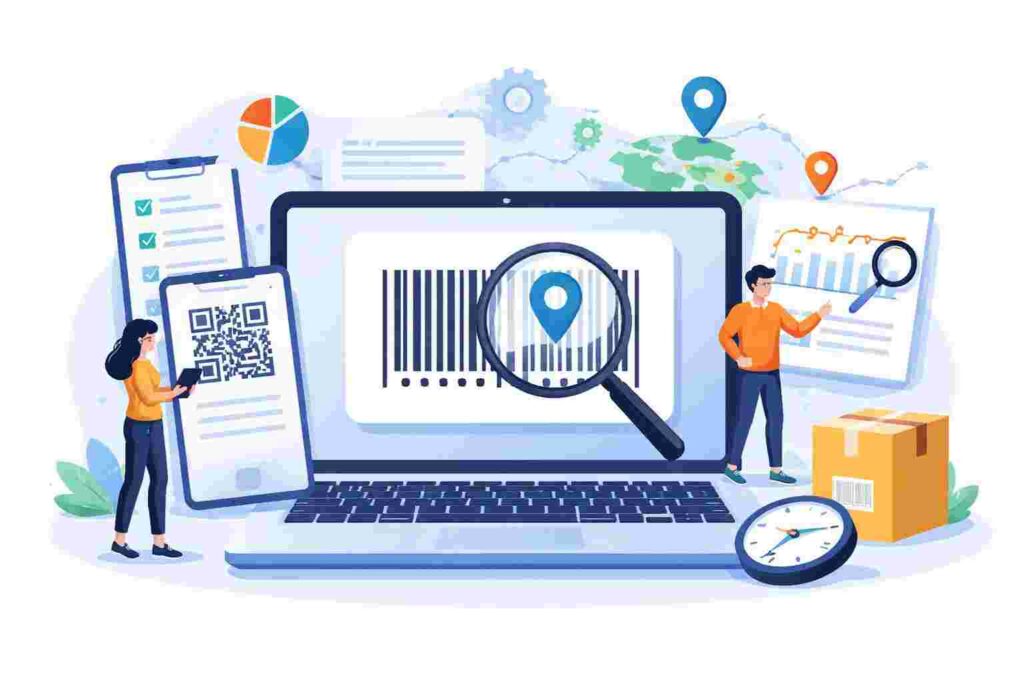
Barcode generator tracking is a revolutionary technology that has transformed how businesses manage their inventory and operational workflows. In today’s fast-paced environment, effective tracking solutions are essential for enhancing productivity, accuracy, and customer satisfaction. This guide will delve deep into barcode generator tracking, emphasizing its importance across different sectors and exploring powerful methods to implement it successfully.
Understanding Barcode Generator Tracking
To fully appreciate the benefits of barcode generator tracking, we must first establish a clear understanding of what it entails.
Definition of Barcode Tracking
Barcode tracking refers to the process of using barcodes to monitor and manage the movement and status of items throughout various operations. By encoding data within a barcode format, businesses can scan items rapidly and accurately, allowing for real-time tracking and management.
Importance in Supply Chain Management
In supply chain management, barcode generator tracking plays a pivotal role in enhancing operational transparency and efficiency. With accurate tracking, businesses can reduce errors in inventory counts, improve order fulfillment rates, and decrease lead times. This leads to better customer satisfaction and a more streamlined operation.
Types of Barcodes Used
- 1D Barcodes: Traditional linear barcodes used mostly in retail.
- 2D Barcodes: These include QR codes that hold more data and are gaining popularity in various applications.
- Data Matrix: Primarily used in logistics and manufacturing for marking small items.
- PDF417: A stacked linear barcode widely used in transport and identification cards.
How Barcode Tracking Functions
Understanding the technical aspects of how barcode tracking operates is crucial for businesses seeking effective implementation.
Barcode Scanning Technology
The primary mechanism for barcode tracking involves scanning technology. Scanners can quickly read barcodes using laser or camera technology, converting the printed information into digital data that can be processed for tracking.
Data Encoding Techniques
Different data encoding techniques are employed in barcode systems, such as Binary, Alphanumeric, and special characters encoding. These methods determine how much data can be stored within a barcode and influence the scanning technology used.
Integration with Software Systems
For barcode tracking to be effective, seamless integration with software systems is critical. Most businesses utilize inventory management systems or ERP systems that can accept scanned data and interpret it for tracking purposes. Integration ensures data accuracy and facilitates real-time updates.
Industries Leveraging Barcode Tracking
Various industries have embraced barcode tracking in their operations, leading to significant boosts in efficiency and accuracy.
Retail and Inventory Management
In retail, barcode tracking enables accurate inventory counts, minimizes stock discrepancies, and enhances the checkout process, ultimately leading to better customer experiences.
Healthcare and Patient Monitoring
Healthcare providers use barcode generator tracking to monitor medications and medical devices, ensuring patient safety and adherence to treatment protocols. By tracking barcodes, hospitals can easily locate supplies and manage patient records effectively.
Logistics and Shipping Solutions
Logistics companies leverage barcode tracking to monitor shipping and receiving processes. Barcodes allow for real-time tracking of shipments, thereby improving delivery accuracy and reducing operational costs. This keeps logistics efficient and optimizes resource management.
Strategic Advantages of Barcode Tracking
The strategic advantages gained through barcode tracking are manifold and significantly contribute to business success.
Improved Accuracy and Efficiency
Barcode tracking reduces human errors associated with manual data entry. Automated scanning ensures that the right items are processed at the right time, enhancing overall operational efficiency.
Cost Reduction and Resource Allocation
Incorporating barcode tracking can lead to significant cost reductions by optimizing inventory management and reducing waste. Improved accuracy in order fulfillment also minimizes costs associated with returns.
Enhanced Customer Experience
Speedy checkouts and accurate inventory information cultivated by barcode tracking help retailers provide an enhanced customer experience. When customers know their items are in stock and can expect timely deliveries, their satisfaction levels increase.
Limitations and Risks of Barcode Tracking
Despite its advantages, businesses must also contend with certain limitations and risks associated with barcode tracking systems.
Privacy Concerns
There are growing concerns regarding privacy as businesses collect and store considerable amounts of customer data through barcode scanning. Organizations need to adhere to regulations to protect customer data effectively.
Technical Failures and Downtime
As with any technology, barcode systems can experience technical failures or outages. Downtime can disrupt operations and give way to inaccuracies in data tracking.
Implementation Challenges
Implementing barcode tracking may require significant investment and changes to existing processes. Organizations need to train staff adequately to avoid errors during the transition phase.
Comparing Barcode Tracking Methods
Evaluating different barcode tracking methods and their effectiveness is pivotal for organizations looking to adopt the best solution.
QR Codes vs. Traditional Barcodes
| Feature | Traditional Barcodes | QR Codes |
|---|---|---|
| Data Capacity | Limited | High |
| Scanning Method | Laser Scanners | Camera Scanners |
| Use Cases | Retail, Shipping | Marketing, Information Access |
| Ease of Use | Simple | User-friendly for smartphones |
Cloud-Based vs. On-Premise Solutions
When comparing cloud-based and on-premise barcode tracking solutions, several factors come into play, including cost, accessibility, and control. Cloud solutions offer flexibility and scalability, allowing for remote access, whereas on-premise solutions may provide better control and security for sensitive data.
Real-Time vs. Batch Processing
Real-time processing enables immediate data capture and updates, which is essential for high-demand environments. On the other hand, batch processing involves collecting data over a period, which can lead to delays in tracking but may be suitable in low-activity scenarios.
Statistics and Market Trends in Barcode Tracking
The barcode tracking market has been experiencing significant growth, due to the increasing need for efficient inventory management solutions.
Market Size and Growth Projections
According to recent research, the global barcode market is expected to reach $XX billion by 2025, growing at a CAGR of XX%. This trend indicates that businesses are increasingly recognizing the value of adopting barcode tracking solutions.
Adoption Rates Across Industries
Over 60% of retail businesses have now implemented barcode tracking systems, while adoption rates in healthcare have also surged, with approximately 45% of hospitals utilizing barcode technology for patient safety initiatives.
Cost Savings Metrics
Data suggest that companies utilizing barcode tracking solutions have experienced operational cost reductions of up to 30%, primarily due to improved accuracy and inventory management. These metrics underscore the financial benefits tied to the adoption of barcode technology.
Real-World Success Stories
To highlight the transformative power of barcode tracking, we will explore several case studies of companies that have reaped substantial benefits.
Case Study 1: Retail Chain Improvement
A leading retail chain implemented barcode tracking to manage its inventory more effectively. Prior to implementation, the chain faced recurring inventory discrepancies leading to stockouts. Post-implementation, they reported a 40% reduction in stock discrepancies and a 20% increase in sales due to improved product availability.
Case Study 2: Hospital Inventory Management
A hospital adopted barcode generator tracking for managing medical supplies and medications. Initially struggling with misplacement and expired items, the hospital experienced a 50% reduction in waste and enhanced compliance with medical regulations after integrating barcode systems.
Case Study 3: Shipping Company Optimization
A shipping company facing high error rates in deliveries turned to barcode tracking. Before the system, their error rate was around 15%, which greatly impacted customer satisfaction. After implementing barcode tracking, their error rate dropped to 5%, leading to a 25% improvement in customer feedback scores.
The Future of Barcode Tracking
Looking ahead, several emerging trends hold the potential to further advance barcode tracking technologies.
Advancements in AI and Automation
The integration of AI and automation into barcode tracking systems may enhance data accuracy and processing speed. With machine learning algorithms, businesses can predict inventory needs and optimize stock levels, significantly boosting overall supply chain efficiency.
Integration with IoT Devices
The Internet of Things (IoT) offers opportunities for deeper integration with barcode tracking systems. Smart devices can communicate data through barcodes, providing invaluable real-time insights into inventory and operational processes.
Predicted Market Developments
As the need for automation and efficiency continues to rise, the barcode tracking market is expected to witness further innovations, including the use of augmented reality for enhanced tracking capabilities and scalability across multiple industries.
Frequently Asked Questions About Barcode Tracking
What is the cost of barcode tracking implementation?
The implementation cost of barcode tracking can vary widely depending on the scale of your operation, the technology selected, and the level of complexity needed. Smaller businesses may spend anywhere from $1,000 to $5,000 for basic systems, while larger enterprises may require an investment exceeding $100,000. It’s critical to evaluate your specific needs and budget accordingly.
How does barcode tracking improve efficiency?
Barcode tracking enhances efficiency by automating data capture and minimizing human error. By providing real-time insights into inventory levels and movements, businesses can optimize their workflow and reduce the time spent on manual processes. In addition, accurate tracking leads to informed decision-making about stock replenishment and order fulfillment.
What industries benefit the most from barcode technology?
Several industries benefit significantly from barcode tracking, including retail, healthcare, logistics, and manufacturing. These sectors rely on accurate inventory management and tracking to maintain operational efficiency and meet customer demands. As technology evolves, more industries are expected to adopt this solution.
Can barcode tracking be integrated with existing systems?
Yes, barcode tracking systems can often be integrated with existing software platforms, such as inventory management systems or ERP systems. This integration is crucial for facilitating seamless data exchange and ensuring that all information is up-to-date. Depending on your current systems, you may need technical support to successfully integrate barcode tracking technology.
What are the best barcode tracking software solutions?
The best barcode tracking software solutions often depend on the specific needs of a business. Popular software platforms include Toast, Fishbowl, and Wasp Barcode Technologies, which provide scalable and customizable solutions for various inventory tracking needs. It’s essential to evaluate features such as usability, scalability, and customer support when choosing software.
How do I choose the right barcode type for my business?
Choosing the right barcode type for your business depends on how much data you intend to encode and the specific application. For instance, traditional 1D barcodes may suffice for inventory control, while 2D barcodes like QR codes can enhance customer engagement. Assess your tracking requirements and consult with professionals to determine the best fit.
Conclusion
Barcode generator tracking is a pivotal technology that plays a crucial role in enhancing operational efficiency, accuracy, and resource management across various industries. With its extensive benefits, organizations that leverage barcode tracking not only reduce costs but also improve customer satisfaction. As technology evolves, businesses must stay informed and adapt to innovations in barcode tracking, ensuring they maintain a competitive edge in an increasingly data-driven world.