
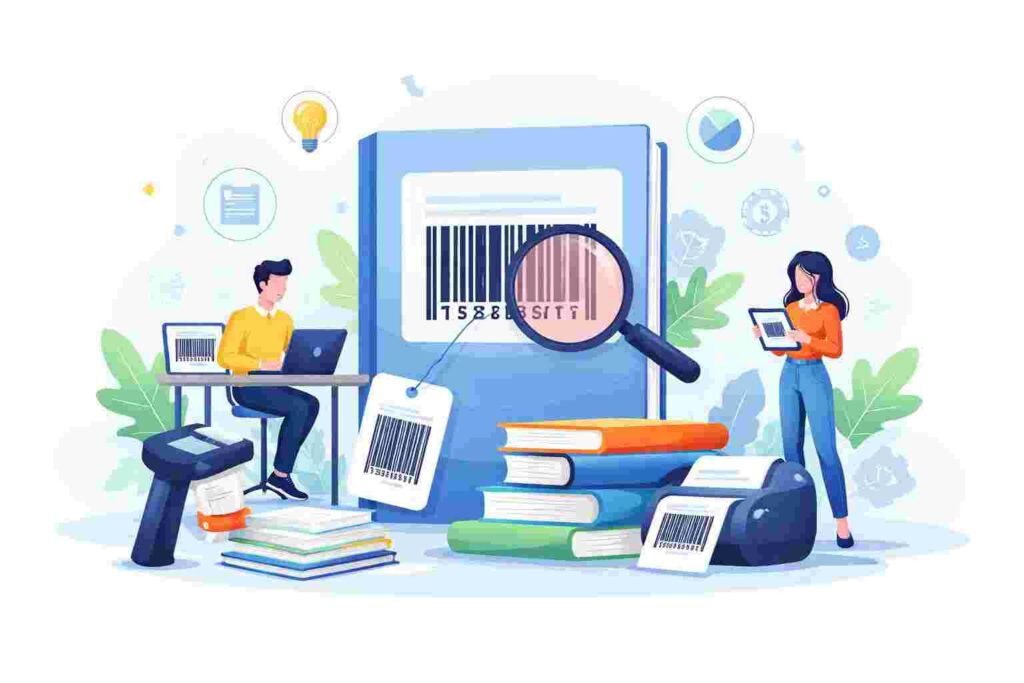
As the publishing industry continues to evolve, the role of technology becomes increasingly crucial. One such innovation that has transformed how publishers operate is the barcode generator ISBN. Many may overlook the importance of ISBN barcodes as mere tags on a book’s back cover, but they serve vital functions that streamline operations and enhance inventory management. This article will delve into the myriad benefits of utilizing a barcode generator for ISBNs, equipping publishers with the insight needed to boost efficiency and improve their bottom line.
Understanding ISBN and Its Role in Publishing
Before delving deeper into the advantages of barcode generators, it’s essential to understand what an ISBN is and its significance in the publishing industry.
Definition of ISBN
The International Standard Book Number (ISBN) is a unique identifier for books and is crucial in the publishing landscape. Each ISBN serves as a unique string that distinguishes one book from another, enabling better organization and tracking. Without an ISBN, a book might as well be a needle in a haystack. An ISBN typically consists of 13 digits (or 10 digits for older books), providing essential information about the book.
History of ISBN in publishing
The introduction of the ISBN system dates back to 1967. Developed in the UK and later adopted globally, the ISBN system was established to simplify the tracking of books through the supply chain. The system has evolved from the 10-digit format to the current 13-digit format, which was implemented to accommodate a growing number of titles and facilitate international distribution.
Importance of unique identifiers
In an age where digital books and self-publishing have exploded, having a unique identifier is more critical than ever. ISBNs allow libraries, retailers, and distributors to track and locate books efficiently. This unique identifier helps readjust the publishing industry’s approach to inventory management and sales tracking.
How Barcode Generators Work for ISBNs
Now that we’ve covered the essentials of ISBNs, let’s explore how barcode generators function to produce ISBN barcodes, creating a bridge between traditional publishing and modern technology.
Overview of barcode types
When generating an ISBN barcode, understanding the different types of barcodes is crucial. The most common barcode used for ISBNs is the EAN-13 (European Article Number), which consists of 13 digits and encodes numerical information for easy scanning. Additionally, QR codes have also gained traction as a supplementary option, offering a direct link to additional product information.
Unlike UPC (Universal Product Code) barcodes, which are prevalent in retail, EAN-13 barcodes are specifically designed for international usage in publishing.
Steps in generating an ISBN barcode
Generating a barcode for an ISBN involves a few simple steps:
- Enter the ISBN number into the barcode generator software.
- Choose the type of barcode (typically EAN-13).
- Customize the design, if necessary (color, size, etc.).
- Download the final barcode image in the desired format (PNG, JPEG, etc.).
- Print the barcode or incorporate it into your book’s design.
By following these steps, publishers can quickly and efficiently produce barcodes that enhance their book’s marketability.
Software and tools for barcode generation
Several software options are available for generating ISBN barcodes, ranging from free online tools to paid professional software. Some popular options include:
- Barcode Generator: A straightforward web tool for quick barcode creation.
- LibreBarcode: An open-source solution for generating barcodes.
- Adobe Illustrator: For those looking to customize their barcodes fully.
- BarTender: A professional tool for those who want robust features.
Publishers must assess their needs to identify the solution that best fits their requirements.
Enhancing Inventory Management with ISBN Barcodes
One of the most significant impacts of implementing ISBN barcodes is the improvement it brings to inventory management and overall operations.
Streamlining warehouse processes
ISBN barcodes allow for seamless tracking of inventory within a warehouse. By scanning barcodes rather than manually inputting data, publishers can expedite the receiving and shipping process, leading to faster turnaround times. This efficiency reduces delays and enhances productivity.
Reducing human errors
Manual data entry is prone to mistakes, which can lead to delayed shipments and inventory discrepancies. Barcode scanning minimizes human errors in stock levels, ensuring that the correct books are dispatched to retailers and customers. This level of accuracy is paramount in today’s fast-paced publishing environment.
Integrating with POS systems
ISBN barcodes can be easily integrated into Point of Sale (POS) systems, allowing retailers to scan books at checkout swiftly. This integration improves the customer experience, reduces wait times, and provides valuable sales data that can guide inventory decisions for publishers.
Benefits Across Different Publishing Industries
ISBN barcodes offer wide-ranging benefits across various sectors of the publishing industry.
Trade publishing
In trade publishing, where profit margins can be slim, ISBN barcodes enhance efficiency and sales tracking across various retailers. Accurate data on sales patterns can assist publishers in adjusting their marketing strategies and inventory accordingly.
Academic publishing
Academic publishers often distribute their materials through libraries and educational institutions, where an ISBN barcode system helps streamline obtaining approvals and processing orders. This automation allows for more focus on content quality rather than administrative tasks.
Self-publishing
Self-published authors benefit from ISBN barcodes by legitimizing their titles when entering the market. An ISBN barcode helps to establish title identity and facilitates online and offline sales, making it easier for authors to reach audiences.
Strategic Advantages of Using ISBN Barcode Generators
The decision to implement barcode generators for ISBNs offers strategic benefits that extend beyond immediate operational improvements.
Cost savings over time
Investing in barcode generator systems may incur initial costs, but the long-term savings far outweigh the upfront expenditure. Accurate inventory management reduces overstock and understock situations, minimizing lost sales and reducing waste.
Enhanced customer satisfaction
With quick scanning and fewer errors, customers enjoy a seamless experience when purchasing books. Better inventory accuracy ensures that customers can find their desired titles without frustrating delays or out-of-stock notices, thereby improving overall satisfaction.
Competitive advantage in the market
Utilizing ISBN barcodes gives publishers a leg up when competing for retail space. Retailers prefer to work with publishers who can provide accurate data on their inventory, and having barcodes allows for detailed tracking of sales metrics, which can inform strategic decisions.
Limitations and Risks in ISBN Barcode Usage
While the benefits are substantial, publishers must also consider the potential challenges and risks associated with barcode usage.
Dependence on technology
ISBN barcodes rely heavily on technology, which means any system failure can disrupt operations. Publishers must ensure that they have robust IT support and backup systems in place.
Costs of barcode mismanagement
Improper use or mismanagement of ISBN barcodes can lead to financial loss, particularly through lost sales or incorrect inventory records. It’s crucial to have well-defined processes for barcode assignment and tracking to avoid these issues.
Market acceptance issues
Some markets may not fully embrace barcode scanning yet, particularly in regions where traditional methods still dominate. Publishers targeting these markets must find a balance between modern strategies and existing marketplace practices.
Comparative Analysis of Barcode Generator Options
With numerous options available, it’s essential for publishers to choose the right barcode generator that aligns with their needs. Below is a comparison table highlighting key features.
| Feature | Free Barcode Generators | Paid Barcode Generators |
|---|---|---|
| Cost | Free to use | Monthly or one-time fee |
| Customization Options | Limited | Highly customizable |
| Ease of Use | Simple interface | More complex features |
| Integration Capabilities | Basic | Advanced |
Choosing between free and paid barcode generator services ultimately depends on the publisher’s specific needs, such as budget, the complexity of tools required, and desired integration possibilities.
Statistics and Market Trends in Barcode Utilization
Data-driven decisions are imperative to any business strategy, especially in a sector as competitive as publishing. The following statistics illuminate the current landscape of barcode utilization.
Growth of ISBNs issued annually
In recent years, there has been a significant increase in the number of ISBNs issued globally. According to the International ISBN Agency, the issuance of ISBNs saw a 5% rise in 2022 compared to 2021. This trend underscores the continued expansion of the publishing industry and the crucial role that ISBNs play in it.
Adoption rates of barcode technology
A survey conducted by the Book Industry Study Group revealed that about 79% of respondents in the publishing sector have already adopted barcode technology in some form. Furthermore, projections indicate that by 2025, nearly 90% of publishers will leverage barcode systems to manage inventory effectively.
Case Study: ISBN Barcode Impact on a Publisher
To illustrate the real-world benefits of implementing ISBN barcodes, let’s examine a case study of a mid-sized independent publisher.
Publisher background
This publisher specializes in genre fiction and had been facing challenges with inventory management and order accuracy. Their process heavily relied on manual entry, leading to frequent mismanagement and low customer satisfaction.
Implementation process
Upon recognizing the need for improvement, the publisher decided to implement an ISBN barcode system. They invested in a reputable barcode generator, trained staff on the new technology, and integrated barcode scanning into their inventory management system.
Measurable results post-implementation
The results were significant. Within six months of implementation, the publisher reported a 30% reduction in inventory mismanagement errors, a 20% increase in order processing speed, and a remarkable 25% surge in customer satisfaction ratings. This case study serves as a powerful testament to the transformative impact of ISBN barcodes.
Future Trends in Barcode Technology and ISBNs
As technology evolves, so too does the landscape of barcode usage. Publishers should stay informed about upcoming trends that may significantly affect their operations.
Integration with RFID technology
Radio Frequency Identification (RFID) technology is set to revolutionize the inventory management landscape. Combining RFID with barcode systems can lead to even greater accuracy and efficiency in tracking book inventory, enabling real-time stock level assessments.
Trends in digital publishing
The rapid growth in digital publishing presents both challenges and opportunities for ISBN barcodes. As publishers move toward digital formats, understanding how to effectively use barcodes in conjunction with e-books is essential for the future.
Evolving standards and practices
As the industry progresses, standards for barcodes may also adapt. Publishers must remain agile, prepared to embrace changes in regulations or technology that can affect how they create and use ISBN barcodes.
Frequently Asked Questions about ISBN Barcodes
What is the cost of generating ISBN barcodes?
The cost of generating ISBN barcodes can vary significantly depending on the tools you choose. Basic online barcode generators are often free, while professional software solutions can cost anywhere from $50 to several hundred dollars. For large publishers, investing in a comprehensive barcode system may be more economical in the long run.
Are there specific requirements for ISBN barcodes?
Yes, there are specific requirements for generating ISBN barcodes. Each ISBN must be accurate and must conform to the EAN-13 format for barcodes. Additionally, publishers must ensure that the barcode is scannable, meaning it should be of high quality and properly sized to meet retail standards.
How do ISBN barcodes benefit retailers?
Retailers gain numerous advantages from using ISBN barcodes, including quicker checkout processes and accurate inventory management. Scanning barcodes streamlines the purchasing experience, leading to reduced wait times and improved customer satisfaction.
Is there a difference between ISBN and UPC barcodes?
Yes, there is a key difference between ISBN and UPC (Universal Product Code) barcodes. ISBNs are specifically designed for books and are used globally in the publishing industry, whereas UPCs are primarily used in retail for various products. Each serves its unique purpose and market.
Can I use the same ISBN for different formats?
No, publishers must assign a unique ISBN for each format of a book (e.g., hardcover, paperback, e-book). This is crucial for inventory and sales tracking, as each format may be treated differently in sales analysis and distribution.
What should I do if my ISBN barcode is damaged?
If your ISBN barcode becomes damaged, it is essential to replace it immediately. Damaged barcodes may not scan correctly, leading to sales delays. Publishers should always keep a digital copy of their barcodes available and have a plan in place for reprinting them if necessary.
Conclusion
In conclusion, the integration of the barcode generator ISBN into publishing practices presents vast benefits in terms of operational efficiency, customer satisfaction, and strategic advantages in the marketplace. As the industry continues to evolve, adopting such technology becomes essential for staying ahead of competitors. Publishers are encouraged to explore and implement barcode generators in their inventory management systems and tap into the multitude of benefits that accompany this digital age of publishing.
From cost savings and enhanced customer satisfaction to gaining a competitive edge, ISBN barcodes are not just a trend; they are increasingly becoming a necessity. As the landscape of publishing continues to shift, technology will undoubtedly play a pivotal role in how books are delivered to readers.