
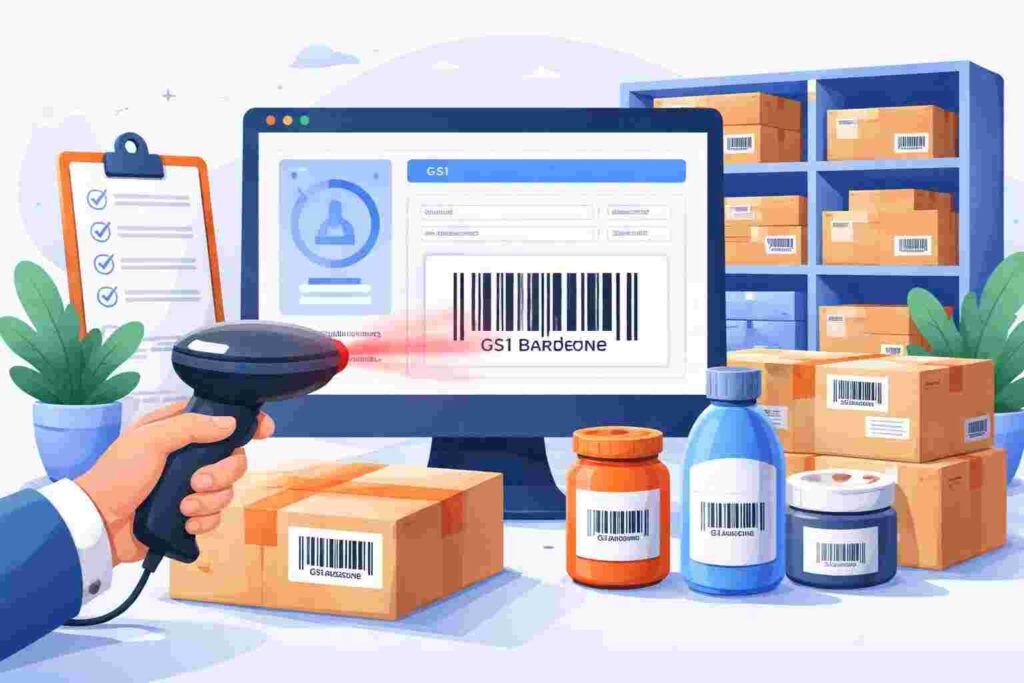
In today’s rapidly evolving business landscape, accuracy and compliance are not just goals; they are essential ingredients for success. One vital tool that enhances compliance and optimizes processes is the GS1 barcode generator. With the capacity to streamline operations and ensure adherence to industry standards, GS1 barcodes are becoming indispensable across various sectors. This article delves into the significance of GS1 barcode generators in ensuring compliance, enhancing efficiency, and the numerous benefits they bring to businesses worldwide.
Understanding GS1 Barcodes
Before diving into the benefits of GS1 barcode generators, it is crucial to grasp what GS1 barcodes are and the standards that define them.
What is a GS1 Barcode?
A GS1 barcode is a globally recognized standard that identifies products uniquely. It consists of a series of vertical bars and spaces that represent numerical data, allowing for the seamless exchange of information between trading partners. The use of a standardized barcode system aids in reducing errors in the supply chain, thereby improving operational efficiency.
History and Evolution of GS1
GS1 originated in 1973, stemming from the need for a uniform identification system within the grocery industry. The introduction of the Universal Product Code (UPC) was a significant milestone, paving the way for global standards. Over time, GS1 has evolved, adapting to the needs of various industries while expanding its standards to include various forms of barcodes, including 2D barcodes like QR codes.
Components of GS1 Barcodes
Understanding the components of GS1 barcodes is essential for effective usage. A typical GS1 barcode includes:
- Company Prefix: A unique identifier assigned to the company by GS1.
- Item Reference: A unique number assigned by the company to identify a specific product.
- Check Digit: A calculated digit used for error detection.
- Application Identifiers: Codes that define the type of data encoded in the barcode.
How GS1 Barcode Generators Work
The process of generating a GS1 barcode may seem complicated, but modern technology has simplified it. Understanding how GS1 barcode generators operate is vital for any business aiming for compliance.
The Encoding Process
The encoding process involves transforming product information into a barcode format. Initially, businesses input the necessary product details into barcode generation software. The software then uses these inputs to create a barcode, ensuring it meets GS1 specifications. This process is crucial for compliance and ensures the barcode is scannable and interpretable by any GS1-compliant system.
Software & Tools for Barcode Generation
Numerous software solutions and tools facilitate the generation of GS1 barcodes. Options range from standalone barcode generators to integrated solutions within supply chain management software. Some widely used software includes:
- Barcode Generator Pro: Offers extensive customization options for businesses.
- Easy Barcode Creator: User-friendly and ideal for quick tasks.
- Labelary: A web-based tool that allows for basic barcode creation.
Integrating GS1 Barcodes into Supply Chains
For a GS1 barcode to be effective, integration into the supply chain is crucial. This involves training employees, updating inventory management systems, and collaborating with partners to ensure they can read and interpret the barcodes. Successful integration streamlines operations and enhances overall efficiency.
Compliance Benefits Across Industries
The impact of GS1 barcode compliance transcends business operations, providing tangible benefits across diverse sectors.
Retail Industry Benefits
In retail, GS1 barcodes facilitate accurate pricing and inventory management. By employing GS1 standards, retailers can:
- Enhance checkout efficiency through quick scanning.
- Reduce pricing discrepancies leading to customer satisfaction.
- Maintain accurate stock levels through real-time inventory updates.
Healthcare Applications
In healthcare, the correct identification of products and patients is critical. GS1 barcodes enhance safety by ensuring:
- Accurate medication dispensing.
- Efficient patient identification.
- Streamlined medical supply management, reducing errors.
Food Safety Compliance
Food industries use GS1 barcodes for traceability. This ensures that:
- Products can be tracked through the supply chain, improving recall procedures.
- Compliance with food safety regulations, enhancing consumer trust.
- Real-time tracking helps in monitoring product quality.
Strategic Advantages of Using GS1 Barcodes
Employing GS1 barcode generators extends beyond compliance; they confer strategic advantages that significantly enhance business operations.
Improved Inventory Management
Efficient inventory management is a cornerstone of successful businesses. GS1 barcodes allow companies to:
- Automate stock tracking.
- Minimize human error in inventory counts.
- Facilitate efficient replenishment processes.
Enhanced Customer Experience
Providing a superior customer experience is fundamental for retaining clients. GS1 barcodes enhance customer experience by:
- Speeding up transaction times at checkout.
- Improving product information accessibility via QR codes.
- Providing customers with reliable pricing and product details.
Facilitating Global Trade
As businesses expand globally, the need for an efficient trade system amplifies. GS1 barcodes streamline international trade by:
- Standardizing product identification across borders.
- Enhancing interoperability between systems and countries.
- Reducing delays caused by inconsistent product data.
Limitations and Risk Considerations
Despite their advantages, businesses should also consider the limitations and risks associated with GS1 barcodes.
Cost Implications
The initial investment in a GS1 barcode generator and the associated recurring costs can be significant for small businesses. This includes:
- Purchasing software licenses.
- Training staff to operate barcode systems effectively.
- Maintaining compliance with evolving GS1 standards.
Compliance Challenges
Maintaining compliance with GS1 standards can present challenges for businesses, such as:
- Adapting to frequent updates in standards.
- Ensuring all staff are consistently trained and informed.
- Managing stakeholder expectations in a multi-partner environment.
Technical Barriers
Some businesses may face technical barriers, including:
- Incompatibility with existing systems.
- Challenges integrating barcodes with legacy infrastructure.
- A steep learning curve associated with new technology.
Comparative Analysis of Barcode Options
When evaluating barcode standards, it is essential to compare GS1 barcodes with other options to understand their unique benefits.
GS1 vs. UPC
The Universal Product Code (UPC) is one of the most widely recognized barcode formats. While it is effective within retail, GS1 barcodes offer broader functionality that includes:
- More data capacity through various formats like DataMatrix.
- Global standardization that transcends the retail scope.
- Enhanced traceability features that are critical in sectors like food and healthcare.
GS1 vs. QR Codes
QR codes have gained popularity due to their versatility in storing information. However, GS1 barcodes provide specific advantages which include:
- Standardized global acceptance, which QR codes may lack.
- Ability to seamlessly integrate into existing supply chain processes.
- Inherent error-checking capabilities to minimize scanning discrepancies.
| Feature | GS1 Barcodes | UPC | QR Codes |
|---|---|---|---|
| Data Capacity | High | Low | High |
| Global Standardization | Yes | No | Partially |
| Traceability | Yes | No | Limited |
| Error Detection | Yes | No | Limited |
| Sectors Applicable | All industries | Retail | Marketing & Promotions |
Current Statistics and Market Trends
The barcode industry is rapidly evolving, with significant statistics reflecting the growing adoption of GS1 barcodes in various sectors.
Market Growth Statistics
The global market for barcode scanners is projected to reach $12 billion by 2026, growing at a CAGR of 10% from 2021. This growth is driven mainly by increasing demand for retail automation and enhanced supply chain efficiency.
Barcode Adoption Rates
According to recent reports, roughly 80% of consumer packaged goods in the U.S. now utilize GS1 barcodes. This trend indicates the increasing reliance on standardized identification for efficient inventory management and compliance.
GS1 Compliance Statistics
Research indicates that companies employing GS1 standards achieve a 25% improvement in inventory accuracy. Additionally, compliance with GS1 standards reduces errors in the supply chain by over 30%, making it an invaluable asset for businesses.
Real-World Applications and Case Studies
The practical application of GS1 barcode generators showcases their effectiveness in delivering measurable outcomes.
Case Study: Retail Chain Implementation
A major retail chain implemented GS1 barcodes across its 1,200 stores, leading to:
- A 15% decrease in checkout times.
- Improved inventory accuracy, achieving 98% stock precision.
- Increased customer satisfaction scores due to shorter wait times.
Case Study: Healthcare Facility Optimization
A renowned healthcare facility incorporated GS1 barcodes for drug dispensing. Post-implementation results included:
- A 50% reduction in medication errors.
- Enhancements in patient identification accuracy.
- Streamlined supply chain operations, resulting in a 30% faster replenishment time for medical supplies.
Case Study: Supply Chain Efficiency Gains
A logistics company adopted GS1 barcodes for tracking shipments. The results demonstrated:
- Improved tracking accuracy of packages by 35%.
- Significant time savings of approximately 20 hours per week in manual tracking tasks.
- Better communication with partners, enhancing overall efficiency.
The Future of Barcode Technology
The future of barcode technology is promising, with ongoing innovations set to transform the landscape further.
Emerging Technologies in Barcode Systems
Several emerging technologies are aligning with barcode systems, such as mobile applications that allow consumers to scan products for instant information. Additionally, advancements in machine learning may enhance barcode scanning accuracy, reducing errors and improving workflow.
Predictions for the GS1 Standard
Experts predict that GS1 standards will continually evolve to incorporate more data and improve automation. This evolution is essential in a world increasingly reliant on speed and accuracy in logistics and inventory management.
Integration with IoT
The integration of barcodes with the Internet of Things (IoT) is on the horizon, allowing real-time data sharing between devices. This integration can lead to improved tracking systems, enhanced supply chain visibility, and ultimately, more informed decision-making.
Frequently Asked Questions
What is the importance of GS1 for businesses?
GS1 is essential for businesses as it ensures accurate product identification globally, which streamlines operations and enhances supply chain management. Compliance with GS1 standards reduces errors, lowers operational costs, and increases customer satisfaction. As companies expand into new markets, using a universally recognized standard like GS1 helps mitigate risks and complexities associated with international trade.
How can I generate a GS1 barcode?
Generating a GS1 barcode typically involves using specialized software that permits the creation of barcodes adhering to GS1 standards. First, businesses are required to apply for a unique company prefix from GS1. After obtaining that, they can use various barcode generators to create barcodes by inputting product information, which is then encoded into a scannable format according to GS1 guidelines.
What industries benefit the most from GS1 compliance?
Industries that greatly benefit from GS1 compliance include retail, healthcare, food and beverage, and logistics. In retail, it helps with inventory accuracy and customer experience. In healthcare, it enhances patient safety and supply chain efficiencies, while food and beverage industries benefit from improved traceability and compliance with safety regulations.
Are there costs associated with GS1 barcodes?
Yes, there are costs associated with acquiring GS1 barcodes, which include purchasing a company prefix, software licenses for barcode generation, and potential costs related to staff training. However, these investments can lead to significant returns through improved efficiency, reduced errors, and enhanced compliance over time.
How do GS1 barcodes improve supply chain efficiency?
GS1 barcodes improve supply chain efficiency by streamlining product identification, enhancing inventory tracking, and reducing manual entry errors. This efficiency allows businesses to react faster to changes in demand, manage inventory levels effectively, and minimize costs associated with the supply chain. As a result, companies experience smoother operations and higher customer satisfaction.
What happens if I don’t comply with GS1 standards?
Failure to comply with GS1 standards can lead to severe repercussions. Businesses may experience disruptions in their supply chains, face delays in product deliveries, or encounter issues with inventory management. Additionally, non-compliance can lead to diminished customer trust, potential legal implications, and a competitive disadvantage in the market where compliance is increasingly becoming the norm.
Conclusion
In conclusion, the importance of integrating a GS1 barcode generator into business operations cannot be overstated. The compliance benefits, coupled with the efficiency gains across various sectors, solidify its role as a critical asset. By understanding the nuances of GS1 barcodes and embracing the technology, businesses can ensure they remain at the forefront of industry standards, enhancing operations, reducing risks, and ultimately driving success. As barcode technology continues to evolve, businesses that prioritize compliance with GS1 standards will only strengthen their positions in the marketplace.