
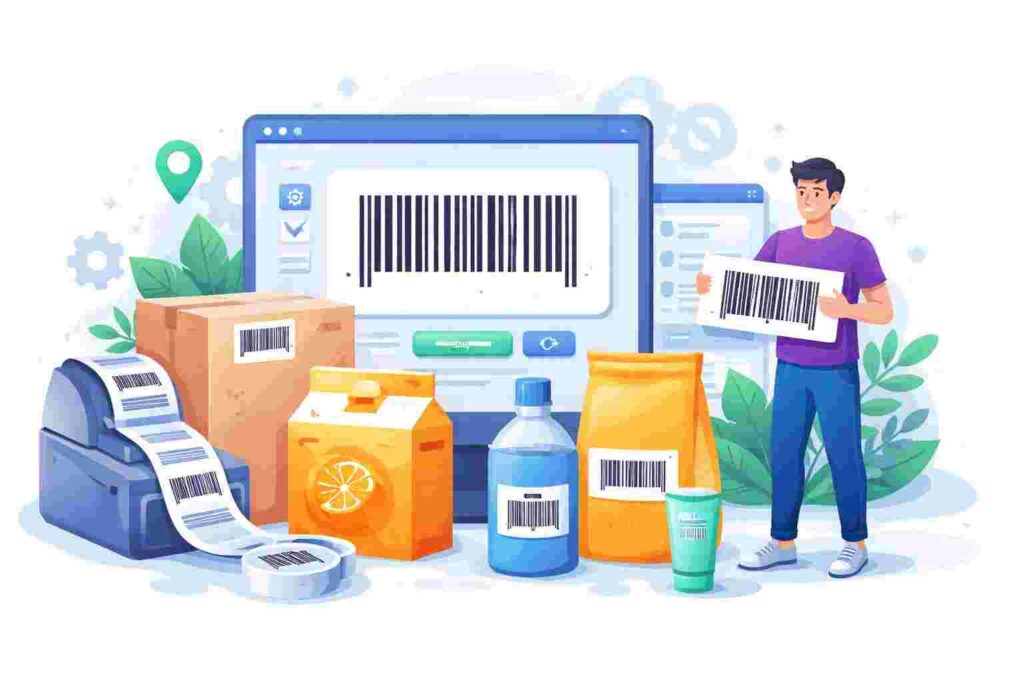
In the realm of modern logistics and retail, barcode generator packaging stands out as a pivotal innovation. This technology significantly enhances efficiency, traceability, and market impact, making it an essential tool for businesses across various sectors. As the demand for quick and accurate tracking and management of products increases, the role of barcode generators in packaging solutions cannot be overstated. This article delves into the different facets of barcode generator packaging and highlights 11 smart packaging solutions that leverage this technology for tangible benefits.
Understanding Barcode Generator Technology
The foundation of any effective packaging system starts with a solid understanding of barcode generator technology. By grasping its core principles and functionalities, organizations can more effectively integrate this technology into their packaging solutions.
What is Barcode Generator Packaging?
Barcode generator packaging refers to the use of barcode generation technology to create unique identifiers for products and packaging. These identifiers can be printed on various surfaces of packaging, allowing for quick scanning and retrieval of information about the product. This technology is crucial for improving logistics and inventory management processes.
How Barcode Generators Work
Barcode generators work by encoding data into a visual representation that can be easily scanned. When a barcode is generated, it translates product information into a linear or matrix format. Scanners then read these barcodes using laser, camera-based, or smartphone technology to retrieve the associated data. This process facilitates faster checkouts, efficient stock management, and more effective tracking of goods throughout the supply chain.
Types of Barcodes Used in Packaging
- 1D Barcodes: Traditional barcodes that contain information in a linear format.
- 2D Barcodes: Such as QR codes, which can hold more data in a small area.
- Data Matrix Codes: Often used for smaller items where space is limited.
- PDF417: A stacked linear barcode appropriate for high data capacities.
- DotCodes: Emerging technology that enables high-density coding.
Technical Mechanisms Behind Barcode Integration
In order to achieve effective barcode generator packaging, understanding the technical underpinnings is essential. This section details the mechanisms involved in integrating barcode technology with packaging solutions.
Software Requirements for Barcode Generation
Implementing barcode generation technology requires specific software tools. Several applications are available for creating, managing, and printing barcodes, including proprietary systems and open-source solutions. Essential features typically include data input capabilities, customizable design options, and integration with other systems such as ERP or inventory management software.
Hardware Needed for Scanning and Printing
The hardware utilized plays a critical role in the efficiency of barcode operations. This includes:
- Barcode printers: For producing high-quality, durable barcodes.
- Barcode scanners: Handheld or stationary devices to read barcodes quickly.
- Label applicators: Machines to affix barcodes accurately onto packaging.
- POS systems: Points of sale technology that integrates scanning capabilities.
Integration with Existing Systems
For optimal functionality, barcode systems must integrate seamlessly with existing business operations. This often involves working with API technologies to link barcode software with inventory management, order processing, and shipping systems. The key is ensuring that all components communicate effectively to facilitate real-time data updates.
Impact of Barcode Generator Packaging on Retail Industries
The adoption of barcode generator packaging has profound effects on the retail landscape. It not only streamlines operations but also enhances customer satisfaction in various ways.
Impact on Inventory Management
Implementing barcode technology allows for real-time tracking of inventory levels. This reduces instances of stock-outs and overstock situations, leading to optimized inventory management practices. Retailers can quickly identify products moving slowly and adjust their strategies accordingly.
Effects on Supply Chain Efficiency
Barcode generator packaging enhances supply chain efficiency by facilitating smoother transitions between manufacturers, distributors, and retailers. Scanners ensure accurate data flow, reducing delays and errors caused by manual data entry. Studies show that organizations that adopt barcode technology can experience up to a 25% increase in overall supply chain efficiency.
Enhancements in Customer Experience
End-users benefit from faster transactions and improved service quality due to the implementation of barcode technology. Customers enjoy quicker checkout processes, accurate pricing, and better tracking of their purchases, leading to overall satisfaction and repeat business.
Strategic Advantages of Barcode Implementation in Packaging
Incorporating barcode generator technology into packaging provides organizations with various competitive advantages. This section discusses how businesses can leverage these technologies strategically.
Cost Reduction Strategies
By minimizing human error and enhancing operational efficiency, barcode generator packaging contributes to significant cost savings. Operations become cheaper as labor costs decrease and inventory management processes become more streamlined.
Speeding Up Operations
Barcode scanning dramatically speeds up various operational processes, including receiving shipments, stocking shelves, and processing sales. With the aid of technology, these tasks can be completed in a fraction of the time previously required.
Improving Accuracy in Packaging
With barcode systems in place, the margin for error in packing and shipping is significantly reduced. Each barcode scanned provides immediate data verification, which ensures that the correct products are shipped to customers, enhancing overall service quality.
Limitations and Risk Considerations in Using Barcodes
While barcode technology offers numerous advantages, potential limitations and risks need consideration. This section highlights the practical challenges associated with barcode packaging.
Printing Errors and Scanning Issues
Barcode printing errors can lead to significant operational disruptions. Minor flaws in printed barcodes can render them unreadable, causing delays in shipping and inventory management. Businesses must ensure quality control measures are in place to minimize these errors.
Reliance on Technology and System Failures
A heavy reliance on barcoding technology introduces the risk of system failures. If scanners or software malfunction, businesses could face downtime that hinders productivity. Organizations need to have backup solutions in place to mitigate this risk.
Security and Counterfeit Concerns
Barcodes, although useful, can be susceptible to counterfeiting. This impacts not just product integrity but also customer trust. Companies should implement additional security measures, such as holograms or security labels, to protect against counterfeit issues.
Evaluating Different Barcode Systems for Packaging Needs
With numerous barcode systems available, organizations must evaluate their options carefully to choose the most appropriate technology for their packaging needs. This section presents an analysis of key barcode systems.
1D vs. 2D Barcodes
1D barcodes are widely used but are limited in the amount of data they can hold. In contrast, 2D barcodes like QR codes can store much more information, which can be critical for complex product management solutions. Choosing between these two types comes down to the specific needs of the business and the amount of data required.
Pros and Cons of QR Codes
QR codes offer several advantages, such as being able to store large amounts of data and being easily scanned by smartphones. However, they can be less effective in situations where space is limited on packaging, and their aesthetic appeal can be a concern for branding.
Software Comparisons for Barcode Generation
| Software | Features | Pros | Cons |
|---|---|---|---|
| BarTender | Advanced design capabilities, full integration | User-friendly, versatile | Premium pricing |
| Labelary | Open-source, web-based | No installation required, free | Limited features compared to paid software |
| ZebraDesigner | Integration with Zebra printers | Seamless printer compatibility | Limited customization options |
Statistics and Market Trends in Barcode Packaging
The barcode packaging industry is growing rapidly, with significant implications for businesses. Understanding the latest statistics can help organizations make informed decisions regarding their packaging strategies.
Market Growth Projections
The barcode technology market is projected to grow by over 6.6% annually from 2023 to 2030, reaching a valuation of approximately $16 billion by 2030. This growth reflects the increasing adoption of barcode packaging solutions across various sectors, particularly in retail and logistics.
Adoption Rates Across Industries
Adoption rates of barcode systems are particularly high in industries such as retail (85%), healthcare (76%), and manufacturing (72%). These rates indicate a strong trend toward automation and improved efficiency measures in these sectors.
Benefits Realized through Data Analysis
Companies that utilize barcode technology report an average improvement of 25% in operational efficiency and a 30% reduction in errors related to inventory management. Such metrics illustrate the tangible benefits associated with adopting barcode generator packaging.
Case Studies: Successful Implementations of Barcode Packaging
Examining real-world applications of barcode generator packaging can provide valuable insights into its benefits and effectiveness.
Case Study 1: Retail Chain Implementation
A leading retail chain implemented a barcode generator packaging strategy across its locations, which resulted in a measurable increase in efficiency. Before the implementation, the chain averaged a 10% stock-out rate. After integrating barcode solutions, this rate decreased to just 3%, significantly enhancing sales and customer satisfaction.
Case Study 2: Warehouse Management Success
A major logistics provider adopted barcode generator technology within its warehouses, leading to faster order fulfillment times. Previously, order processing took an average of 2 hours per shipment due to manual entry processes. After implementation, this time dropped to just 30 minutes, drastically improving productivity metrics.
Before and After Metrics Analysis
These case studies demonstrate the transformative potential of barcode generator packaging. The retail chain saw a significant improvement in inventory accuracy and the logistics provider experienced enhanced turnaround times. Overall, these implementations led to increased profitability and operational effectiveness.
Future Outlook for Barcode Technology in Packaging
As technology continues to evolve, so too will barcode applications in packaging. This section explores anticipated trends and innovations that could further influence the industry.
Predictions for Automation in Packaging
Future advancements in barcode technology will likely lead to increased automation in packaging processes. Automated systems equipped with advanced barcode scanning and verification capabilities will reduce human labor requirements and improve accuracy.
Emerging Technologies Related to Barcoding
Alongside traditional barcode systems, innovative technologies such as RFID and NFC are expected to gain traction. These technologies provide enhanced tracking capabilities, enabling even more robust supply chain management solutions.
Future Challenges and Solutions
While the future of barcode technology looks promising, challenges such as security threats and the need for standardized systems will persist. Organizations must proactively address these challenges by investing in security measures and staying updated on industry standards.
Frequently Asked Questions about Barcode Generator Packaging
What types of businesses benefit from barcode packaging?
Barcode generator packaging is advantageous for a wide range of businesses, including retail, manufacturing, healthcare, and logistics. Any business that requires efficient inventory management, quick checkout processes, or accurate tracking of products can benefit from implementing barcode technology. Retailers utilize barcodes for price scanning and inventory checks, while warehouses use them for inventory management and fulfillment accuracy.
How do barcode systems improve supply chain transparency?
Barcode systems enhance supply chain transparency by providing real-time tracking of products at every stage of the supply chain. Scanning barcodes allows businesses to monitor the movement of goods, manage inventory levels effectively, and identify bottlenecks in the flow of products. This transparency enhances accountability and improves communication between different stages of the supply chain.
What are the costs associated with implementing barcode systems?
The costs of implementing barcode systems can vary widely, depending on the complexity of the solution and the size of the organization. Initial costs may include purchasing barcode printers, scanners, and software, along with designing and printing labels. However, the return on investment typically outweighs these costs due to efficiency gains, error reduction, and improved customer satisfaction.
Can barcode systems be integrated with existing ERP software?
Yes, most barcode systems are designed to integrate seamlessly with existing ERP systems, providing synchronized data flow between packaging and inventory management operations. This integration enables businesses to maintain accurate records and improves overall operational efficiency.
What are the best practices for barcode scanning?
Best practices for barcode scanning include ensuring barcodes are printed clearly, maintaining scanners regularly, and training staff on proper scanning techniques. Regular testing of systems to verify scanning accuracy is also essential. Implementing these practices can reduce errors and improve efficiency in warehouse and retail operations.
How to choose the right barcode type for your packaging?
Choosing the appropriate barcode type depends on the specific needs of your business. Factors such as the amount of data to be stored, the size of the packaging, and industry requirements must be considered. Businesses should evaluate each barcode’s capabilities to ensure it meets their operational demands and enhances their packaging solutions.
Conclusion
In conclusion, barcode generator packaging has revolutionized how businesses manage products within the logistics and retail industries. By understanding the technology’s fundamentals, evaluating its impact, and considering practical implementations, organizations can harness the power of barcode technology to enhance operational efficiency and customer satisfaction. As we move toward a more automated future, barcode generation will continue to play a critical role in the success of packaging strategies worldwide.