
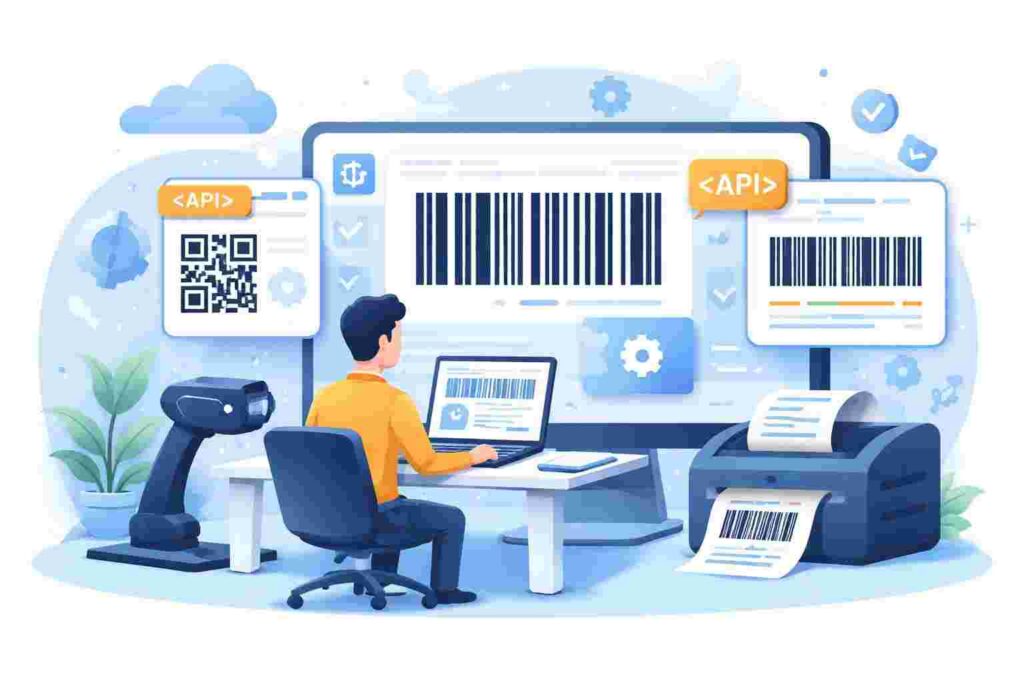
In the fast-paced environment of software development, achieving efficiency and adaptability is crucial. One tool that developers increasingly turn to for streamlining their processes is the barcode generator API. These APIs not only facilitate the creation of barcodes but also enhance the functionality of a variety of applications across multiple industries. Understanding how to effectively integrate these APIs can significantly impact development results, boosting productivity and optimizing workflows.
Understanding Barcode Generator APIs
To fully appreciate the utility of barcode generator APIs, one must first understand what they are and how they operate. These APIs serve as frameworks that developers can use to integrate barcode generation capabilities into their applications, making them essential tools in modern software development.
What is a Barcode Generator API?
A barcode generator API is a web-based service that enables applications to create various types of barcodes dynamically. With the rise of e-commerce and inventory management systems, these APIs have become vital in ensuring products can be easily identified and tracked. They offer functionalities ranging from creating simple barcodes to integrating complex data into the barcodes.
How Barcode APIs Work
Barcode APIs operate through RESTful architecture, allowing seamless communication between the client and server. Developers send requests to the API, which processes the data and returns the generated barcode image or related information. This allows for real-time barcode generation without the need to download or manage any additional software.
Types of Barcodes Supported
- QR Codes
- UPC Codes
- Code 128
- Data Matrix
- EAN-13
Common Use Cases
- Inventory Management
- Shipping and Logistics
- Retail Checkout Systems
- Event Ticketing
- Mobile Payment Systems
Integration Techniques for Developers
Integrating a barcode generator API doesn’t need to be a daunting task. By understanding the different techniques available, developers can choose the right approach that best fits their workflow.
RESTful API Integration
The most popular method of integrating any API, including barcode generators, is through RESTful integration. This method utilizes standard HTTP requests (GET, POST, PUT, DELETE) to interact with the API. By sending a request containing the required data, developers can generate barcodes and retrieve them easily in a programming-friendly format.
Authentication Methods
Security is paramount when it comes to API integration. Most barcode generator APIs utilize OAuth or API keys for authentication. OAuth provides a more secure token-based authentication, while API keys offer a straightforward way to authenticate without complex setups. Understanding these methods can help developers ensure that their integrations remain secure.
Error Handling Best Practices
Integrating an API requires robust error handling systems. Developers should consider implementing status code checks to gracefully handle common errors such as 404 (not found) or 500 (internal server error). Creating informative error messages can vastly improve user experience and debugging processes.
Optimizing API Calls
To maximize efficiency, developers can optimize their API calls by minimizing the frequency of requests. Caching responses and using batch processing whenever possible can reduce server load and improve response times. This is particularly useful in applications that require multiple barcodes to be generated in a short span.
Enhancing Business Efficiency with Barcode APIs
The implementation of barcode generator APIs has profound implications for various industries. By understanding the specific applications of these tools, companies can leverage them to enhance their operational efficiency.
Retail Sector Applications
- Streamlined checkout processes
- Real-time inventory tracking
- Automated stock replenishments
- Reduction in human error during sales
- Enhanced customer engagement through loyalty programs
Healthcare Management Benefits
- Accurate patient identification
- Efficient tracking of medical supplies
- Reduction of medication errors
- Streamlined reporting and compliance for regulations
- Improved accessibility of patient records
Logistics and Inventory Tracking
- Real-time shipment tracking
- Reduction in lost items during transit
- Automated updates in inventory systems
- Streamlined order processing
- Improved data accuracy across logistics networks
E-commerce Enhancements
- Fast order fulfillment processes
- Instant updates for stock levels
- Minimized shipping errors
- Enhanced customer trust through accurate delivery tracking
- Improved returns processing
Strategic Advantages of Using Barcode Generator APIs
Adopting barcode generator APIs can yield significant strategic advantages for businesses across various sectors. Here’s an exploration of the core benefits:
Cost Savings Analysis
Integrating barcode technology helps in reducing costs associated with manual data entry and minimizes errors. The automation of tasks through barcode scanning often leads to a swift return on investment as businesses experience fewer discrepancies and lost revenue. For instance, organizations using barcode systems reported a reduction in losses of up to 30%.
Time Efficiency Improvements
By deploying barcode APIs, businesses can vastly improve the speed of operations. Scanning barcodes is exponentially faster than manual entry, thus reducing checkout times in retail and speeding up the order fulfillment process in logistics. Time saved translates to improved customer satisfaction and, ultimately, increased profitability.
Scalability Considerations
As a business grows, the ability to scale is crucial. Barcode generator APIs offer a flexible solution that can grow with a business’s needs. Whether a company experiences a sudden spike in sales or expands its product lineup, these APIs can handle increased demands without significant restructuring of operations.
User Experience Enhancements
Users benefit from the implementation of barcode technologies through improved services. Fast checkouts, accurate order tracking, and reliable information enhance customer trust and loyalty. Businesses that prioritize user experience generally enjoy higher retention rates and customer satisfaction scores, which are critical in a competitive market.
Limitations and Risk Factors in API Integration
While the advantages of integrating barcode generator APIs are significant, developers must also be aware of potential limitations and risks involved.
Dependence on Internet Connectivity
Barcode APIs typically require a stable internet connection for optimal performance. In environments where web access is intermittent or unstable, this can lead to significant delays or failures in processing, impacting both business operations and customer satisfaction.
Data Security Concerns
Every time data is transmitted over the internet, there exists a risk of breaches or leaks. Security must be a paramount concern when implementing barcode APIs, especially in industries like healthcare that handle sensitive information. Employing robust encryption methods and following best security practices is essential.
API Rate Limiting Issues
Many APIs impose rate limits, restricting the number of requests that can be made in a given timeframe. This can create bottlenecks in environments with high transaction volumes and necessitate careful planning to ensure that available limits are efficiently used.
Compatibility Challenges
Integrating a barcode generator API into an existing system may reveal compatibility challenges, especially if the legacy systems do not align well with modern API standards. This can require additional development work and resources, thereby increasing integration time and costs.
Evaluating Barcode Generator APIs: A Comparative Analysis
With numerous barcode generator API providers available, conducting a comparative analysis can be invaluable in making informed decisions. The following table outlines key providers, their features, and additional considerations.
| API Provider | Features | Pricing | User Reviews | Integration Ease |
|---|---|---|---|---|
| API A | QR Code, UPC, EAN, Batch Processing | Free Tier; Paid Packages Start at $29/month | 4.5/5 based on 200 reviews | Easy |
| API B | Data Matrix, Code 128, Secure Payment | Pay-As-You-Go | 4.2/5 based on 150 reviews | Medium |
| API C | Custom Barcode Types, Reports | $99/month with custom features | 4.8/5 based on 90 reviews | Hard |
| API D | Real-time Tracking, E-commerce Optimized | Starting at $15/month | 4.3/5 based on 300 reviews | Easy |
This comparison highlights how features, pricing models, user feedback, and integration ease vary across providers, allowing developers to make strategic choices based on organizational needs.
Current Statistics and Market Trends in Barcode Technology
The barcode technology landscape is evolving rapidly. Recent statistics underline the growing importance of barcode APIs within various sectors:
Market Growth Rate Statistics
According to the latest research, the barcode technology market is projected to grow at a CAGR of 4.5% over the next five years, signifying the increasing reliance on barcode systems across industries. Furthermore, approximately 80% of retailers globally are expected to incorporate barcode or similar scanning technologies into their operations.
Adoption Rates Across Industries
The adoption of barcode technology varies widely. The retail sector leads with over 70% adoption, followed closely by the logistics sector at around 65%. Interestingly, healthcare shows a faster growth rate in adoption due to increasing focus on patient safety and efficient management of medical supplies.
Projected Trends for 2025
Experts forecast that by 2025, the barcode system market will reach a value of $2.4 billion. This expansion will likely be driven by advancements in smartphone technology and wider acceptance of digital payment systems.
User Demographics
The typical users of barcode technology range from large multinational corporations to small businesses. However, a notable trend is the increasing integration of barcode scanning in mobile applications, with around 60% of users preferring to utilize their smartphones for barcode scanning rather than traditional scanners.
Case Study: Successful Implementation of a Barcode Generator API
A significant illustration of the effectiveness of barcode generator APIs can be observed through a real-world case study involving a leading retail chain.
Before Implementation Metrics
Prior to integrating a barcode API, the retail chain grappled with inefficient check-out processes and high instances of inventory discrepancies, reporting errors in around 15% of total sales transactions and a customer service satisfaction score of only 65%.
Integration Process Overview
Upon selecting a suitable barcode generator API, the retail chain devised a system that seamlessly integrated with existing POS systems. The implementation team focused on training staff and optimizing operational workflows to ensure a smooth transition.
After Integration Results
Post-integration, the retail chain noticed a substantial reduction in transaction errors to under 5% and improved customer service satisfaction scores that exceeded 85%. The speed of the check-out process increased by an average of 30%, demonstrating the tangible benefits gained from API integration.
Key Learnings from the Case Study
This case study reinforces the importance of thorough planning and staff training when implementing new technologies. Additionally, it emphasizes how barcode generator APIs can directly enhance both operational efficiency and user experience.
Future Outlook for Barcode Generator APIs
The future of barcode generator APIs appears promising, with various factors influencing their trajectory in the tech landscape.
Emerging Technologies Influence
With technologies such as AI and machine learning on the rise, the potential for integrating advanced analytics into barcode systems is immense. New capabilities may soon evolve, allowing businesses to harness data from barcode scans to enhance inventory management and customer insights.
Potential Market Disruptors
The ongoing transition toward contactless payment systems poses a significant change in the market. As businesses adapt, the functionality of barcode APIs must evolve, providing comprehensive solutions that cater to modern payment preferences.
Forecasting Adoption Trends
Experts suggest that by 2030, adoption rates of barcode technology could surpass 90% across various sectors, driven by increased demand for efficiency and real-time data accessibility. The potential for innovation within barcode technology means that companies must proactively consider their integration strategies.
Innovations in Barcode Technology
Continuous innovations, such as the development of more robust and versatile barcode formats, will likely shape the future. Furthermore, advancements will incorporate greater speed and security features that will make barcode systems an indispensable part of digital commerce.
Frequently Asked Questions about Barcode Generator APIs
What are the most common uses for Barcode APIs?
Barcode APIs are used primarily for creating and managing barcodes within a variety of applications. Their common uses include facilitating inventory management, enhancing retail checkout processes, and enabling efficient logistics operations. As businesses increasingly prioritize efficiency, the role of barcode APIs will only expand further.
How secure are Barcode Generator APIs?
Security is a primary concern for any API integration, including barcode generation APIs. Most providers employ industry-standard security protocols, such as OAuth2 for authentication and SSL encryption for data transmission. It is crucial for developers to evaluate and choose an API provider that prioritizes robust security measures.
Can I use a Barcode API for multiple barcode types?
Absolutely. Most barcode generator APIs support multiple types of barcodes, allowing developers to create QR codes, UPC codes, and more, all from a single integration point. This versatility makes these APIs particularly attractive for applications that require varying barcode types for different functions.
What are the costs associated with using a Barcode API?
The pricing for barcode generator APIs can vary significantly based on the features offered and the volume of API calls needed. Many providers offer tiered pricing models, including free options for limited use, as well as subscriptions based on usage levels. It’s recommended to carefully review pricing structures to find the best fitting solution for individual requirements.
How do I troubleshoot integration issues?
When facing integration issues, starting with comprehensive documentation provided by the API can often yield solutions. Additionally, common troubleshooting steps may include checking error codes returned by the API, ensuring correct authentication methods, and verifying network connectivity. Engaging with user communities and support forums dedicated to specific APIs can also provide valuable insight.
Are there free Barcode Generator API options available?
Yes, several barcode generator APIs offer free or freemium models that allow developers to integrate basic functionalities without a subscription cost. However, while these free options can be ideal for small projects or learning purposes, businesses may eventually need to upgrade to paid plans for advanced features and higher usage volumes.
Conclusion: Leveraging Barcode Generator APIs for Success
In summary, integrating barcode generator APIs presents developers with a unique opportunity to enhance productivity and operational efficiency across diverse industries. By understanding the functionalities and advantages of these APIs, organizations can make informed decisions on their digital integration strategies.
Recap of Benefits
The benefits of integrating barcode generator APIs extend beyond mere technology adoption; they lead to significant cost savings, improved time efficiency, and enhanced user experiences. These factors collectively contribute to a business’s bottom line, making them indispensable tools for modern development.
Final Thoughts on Adoption
As the demand for automation and digitization continues to rise, businesses that embrace barcode technologies will position themselves ahead of competition. Evaluating and adopting the right barcode generator API could very well dictate a company’s success in this ever-evolving digital landscape.
Encouragement to Explore
Developers are encouraged to explore various barcode APIs available in the market. Testing their functionalities through trial versions is a superb way to determine which API aligns best with project needs and integration requirements.
Next Steps for Developers
With a plethora of options available, it is essential for developers to analyze their specific needs, considering both technical requirements and business implications before choosing a barcode generator API. Armed with the right information and strategic insights, they can pave the way toward successful implementation and usage of barcode technology.